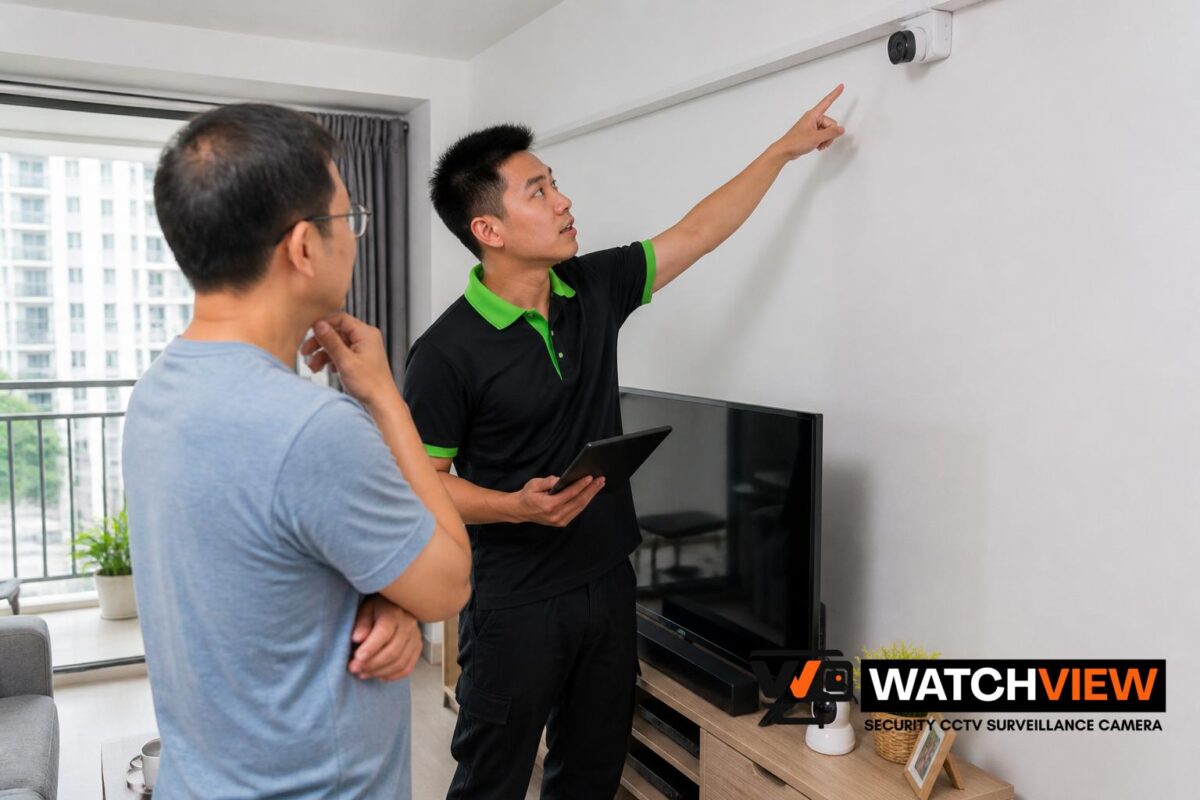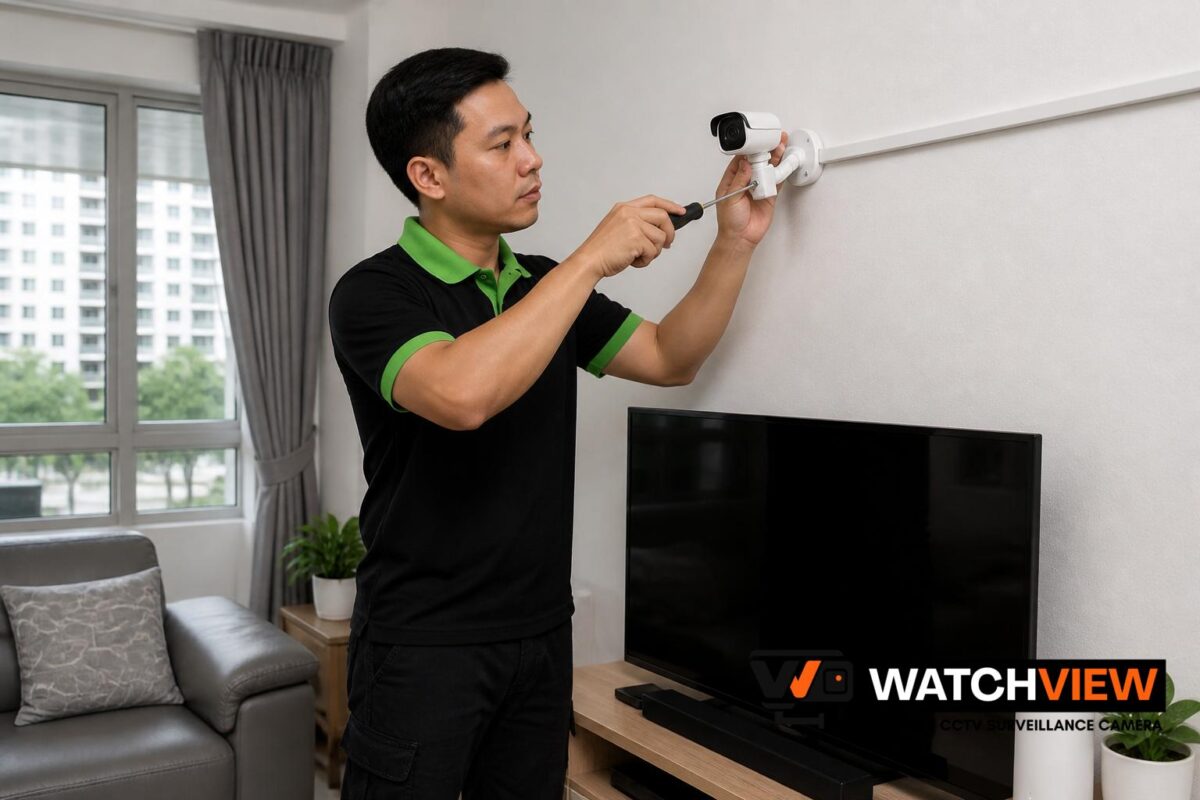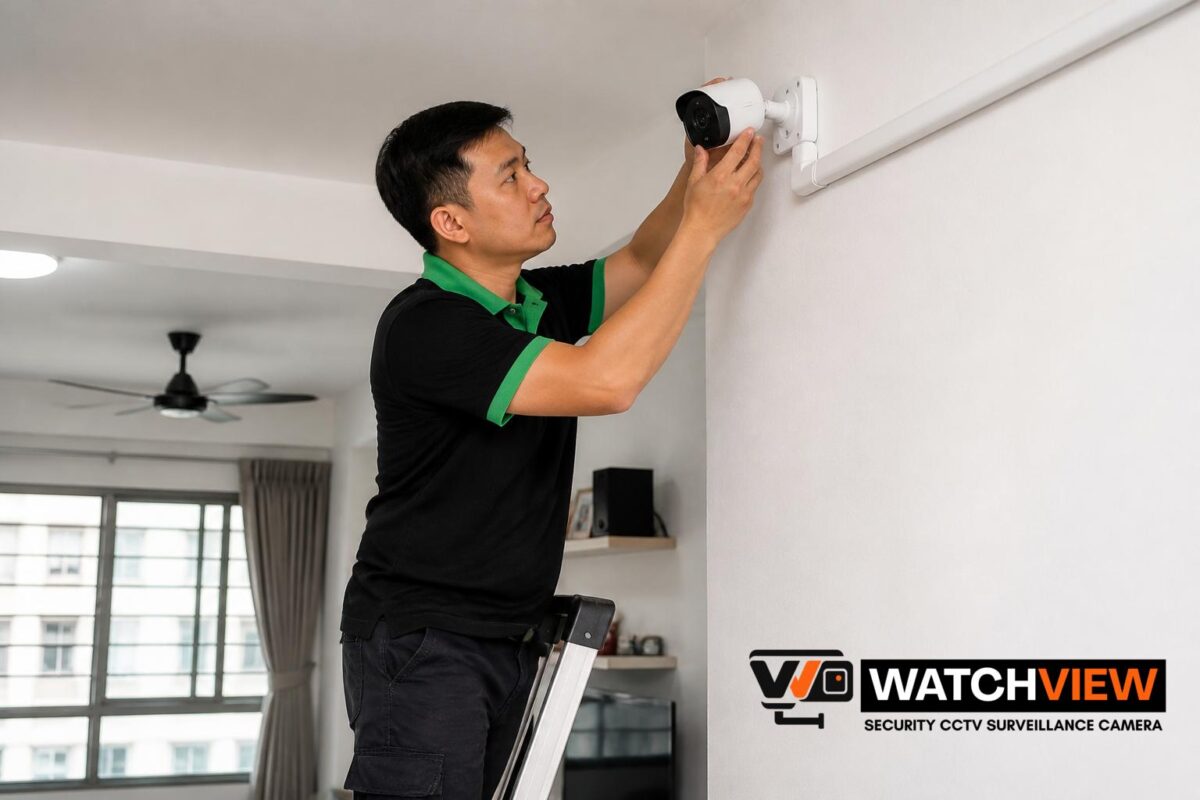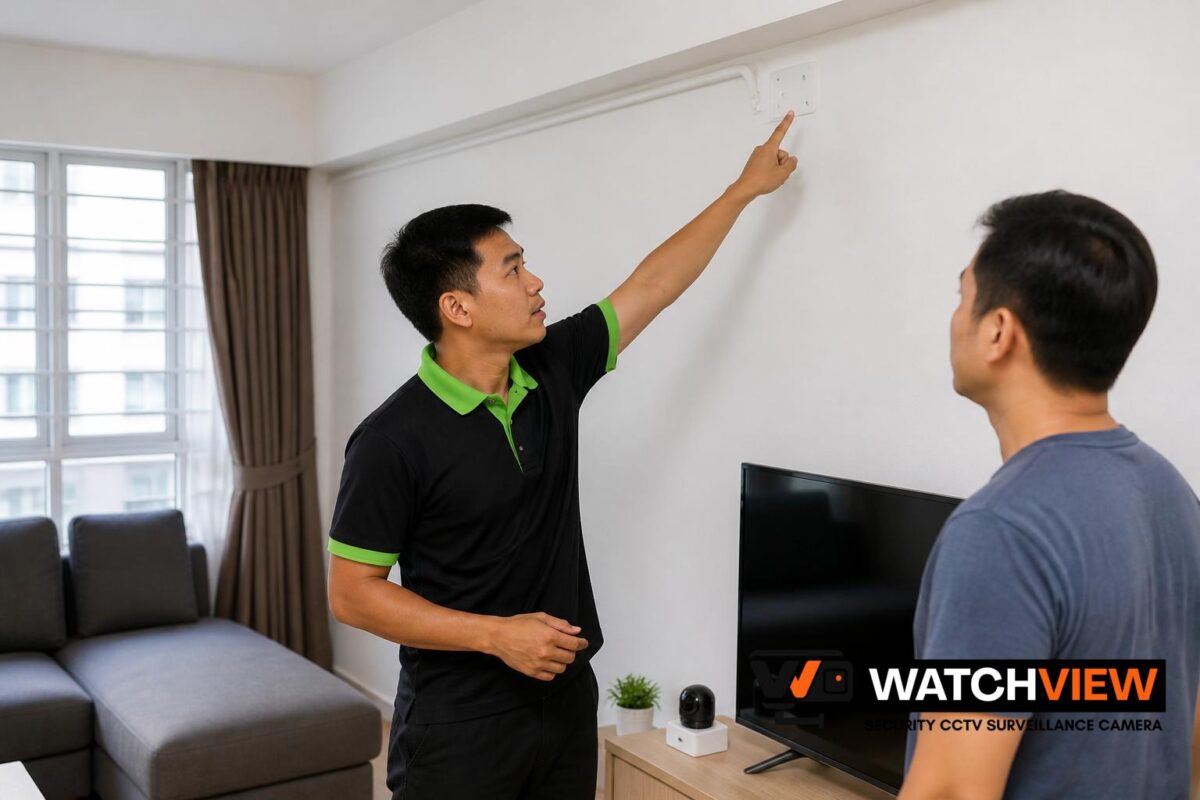

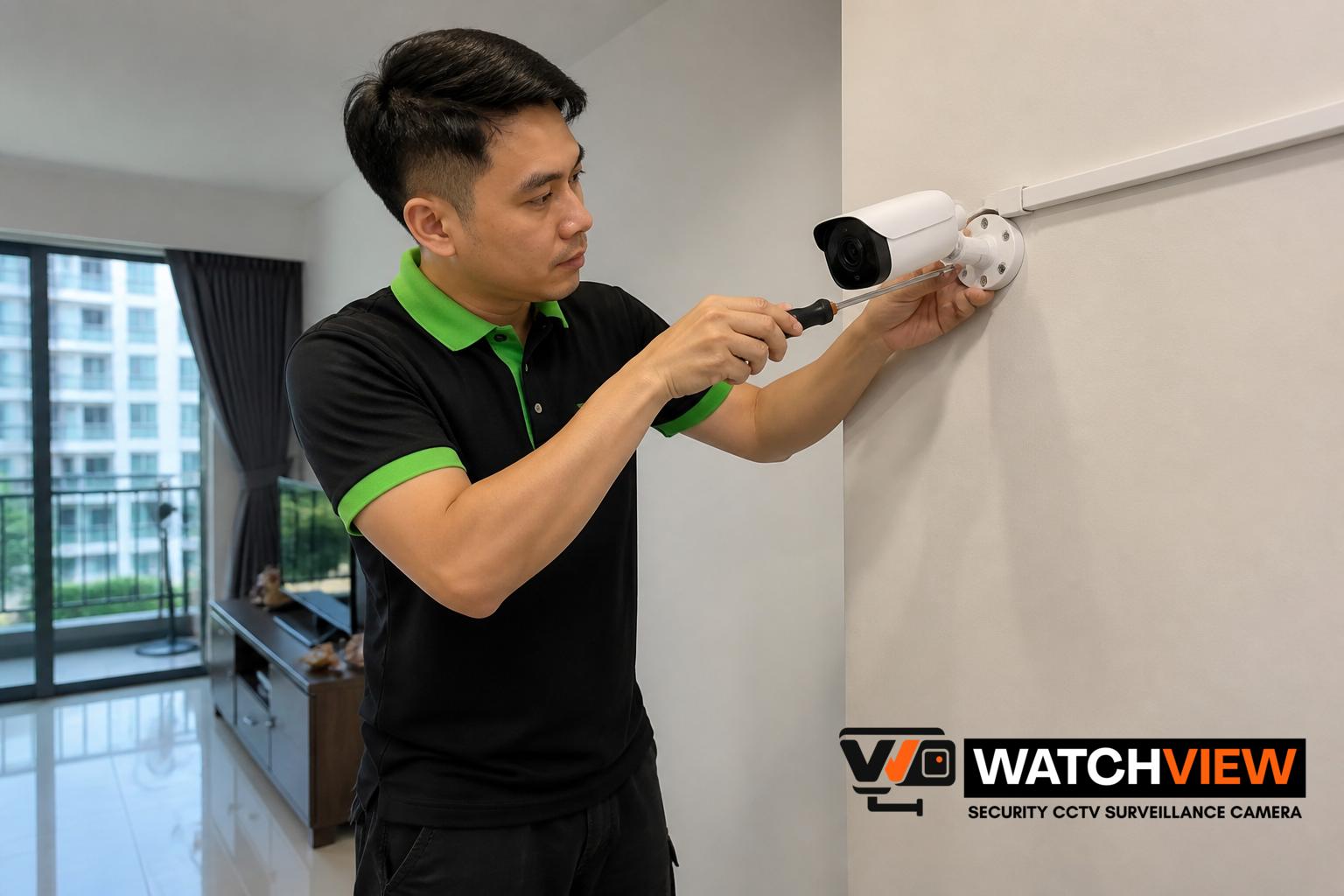
A poorly installed CCTV surveillance camera setup can usually be corrected, but the right approach depends on what was done badly in the first place. In Singapore homes, common issues include cameras placed at the wrong angles, loose mounting, messy cabling, weak power connections, poor night-time coverage and recordings that do not capture the areas you actually want to monitor. The good news is that many of these problems can be fixed without replacing the entire system.
First, identify what is wrong with the existing setup
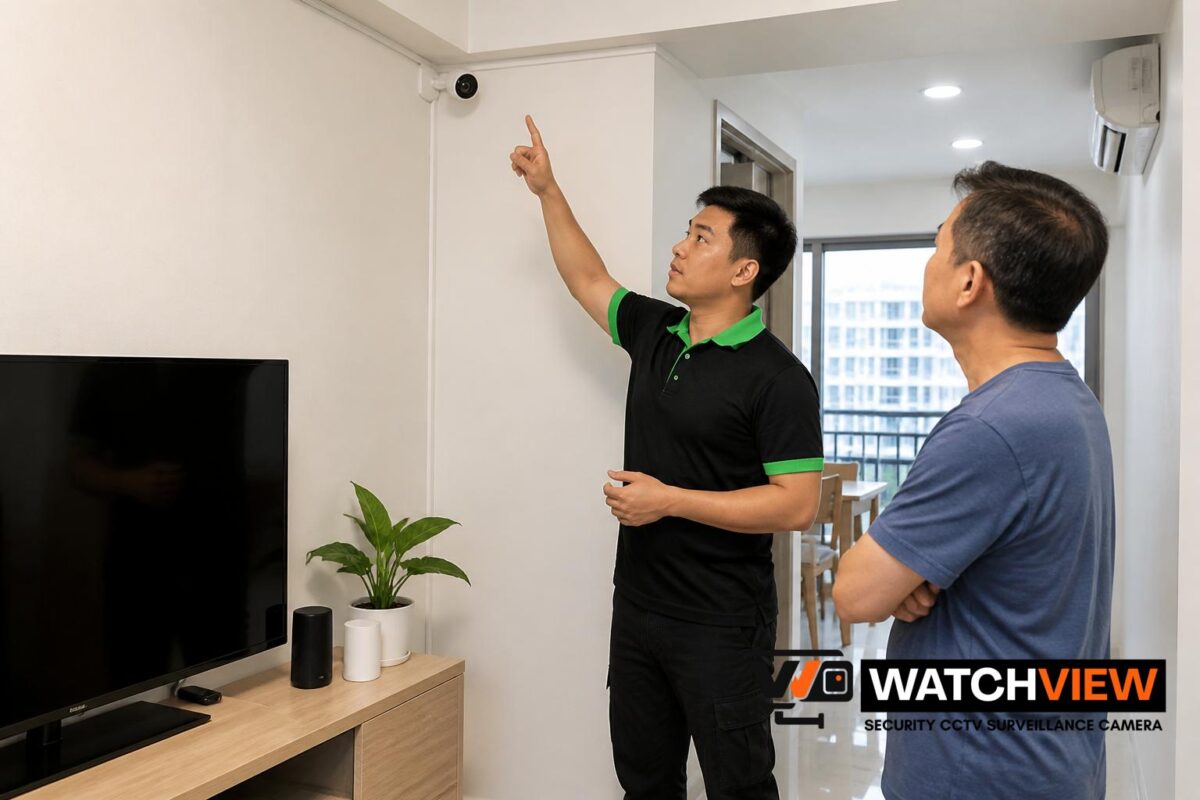
Before any corrective work begins, it is worth reviewing the whole installation rather than focusing on a single visible issue. A camera that looks fine on the wall may still have blind spots, poor image framing or unstable wiring behind the scenes. In HDB flats, condominiums and landed homes, the most common faults tend to appear at the mounting point, the cable route, the power source or the final camera position.
Typical signs of a poor CCTV installation include images that are too high or too low, repeated disconnections, visible cable clutter, cameras pointed towards reflective surfaces, and recordings that miss the main entry point or driveway. A clear assessment helps determine whether the correction is a simple repositioning job, a cabling adjustment, or a more complete reinstallation.
Check whether the camera placement is actually suitable
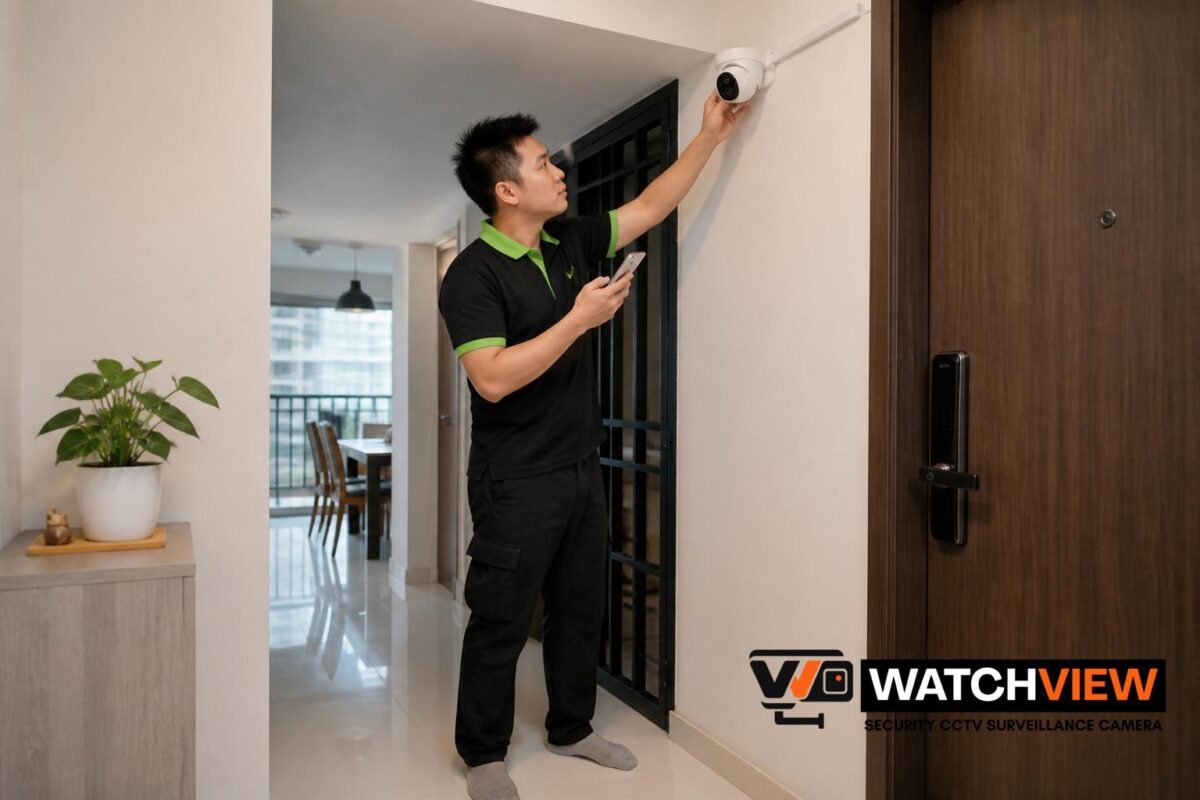
Bad placement is one of the most common reasons a CCTV system underperforms. A camera set too far from the target area may capture movement but not enough detail. One mounted too close to a bright light or facing direct sunlight can produce washed-out footage. Indoors, a camera aimed at a corridor bend or doorway without enough width may leave an awkward blind spot.
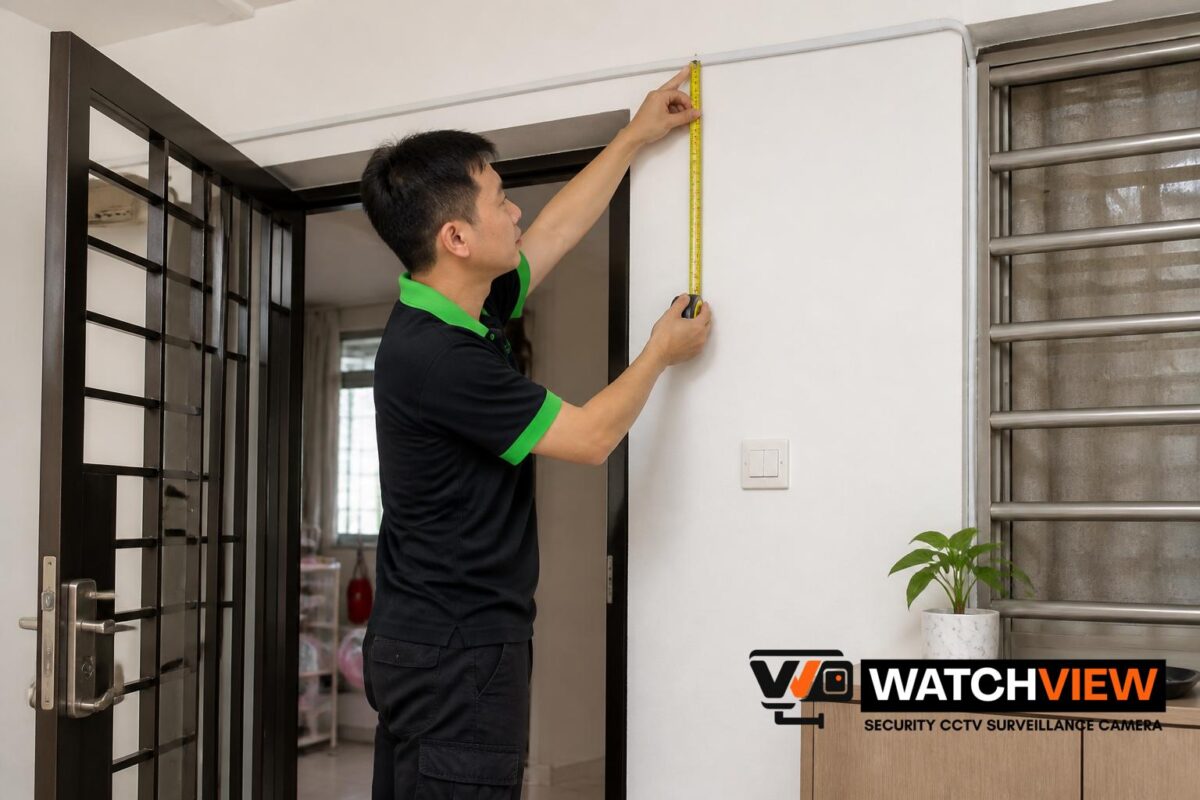
In Singapore homes, practical placement usually means balancing coverage, height and viewing direction. For example, an entrance camera should cover the approach, door area and immediate surroundings, while a driveway camera for landed property should be angled to capture vehicles and pedestrian access without excessive sky or wall space. Correcting a poor setup often starts with moving the camera to a better line of sight.
Improve mounting so the camera stays secure and aligned
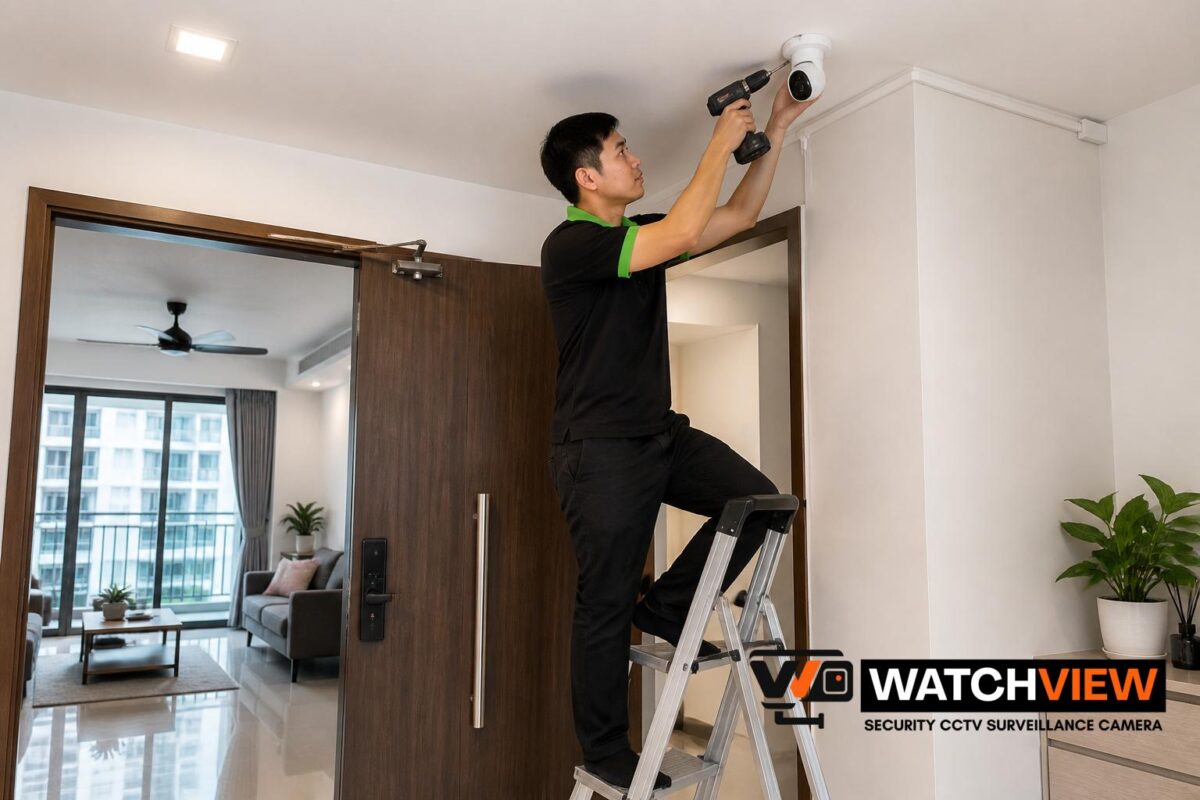
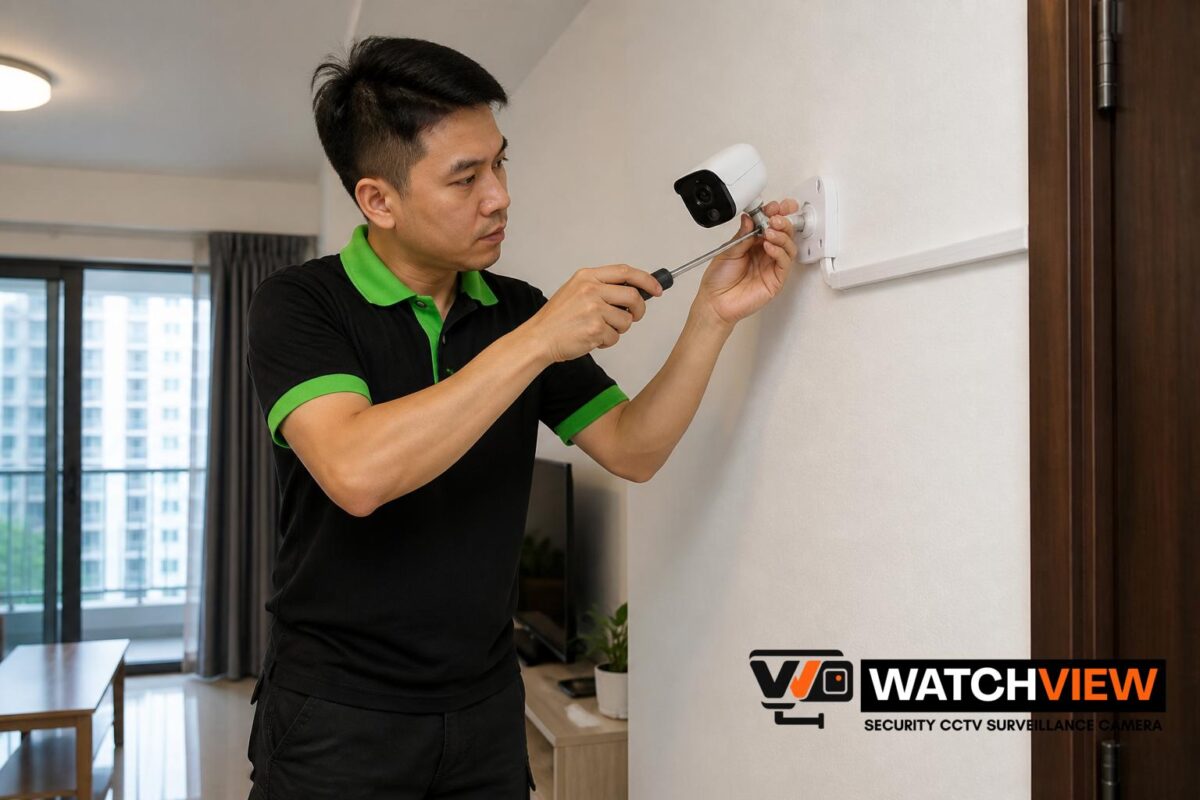
Loose mounts, weak fixings and uneven surfaces can cause cameras to tilt over time. This leads to drifting views, blurred footage and repeated adjustments. If the original installer used unsuitable screws, poor anchors or mounted onto a weak surface, the camera may never stay in the correct position for long.
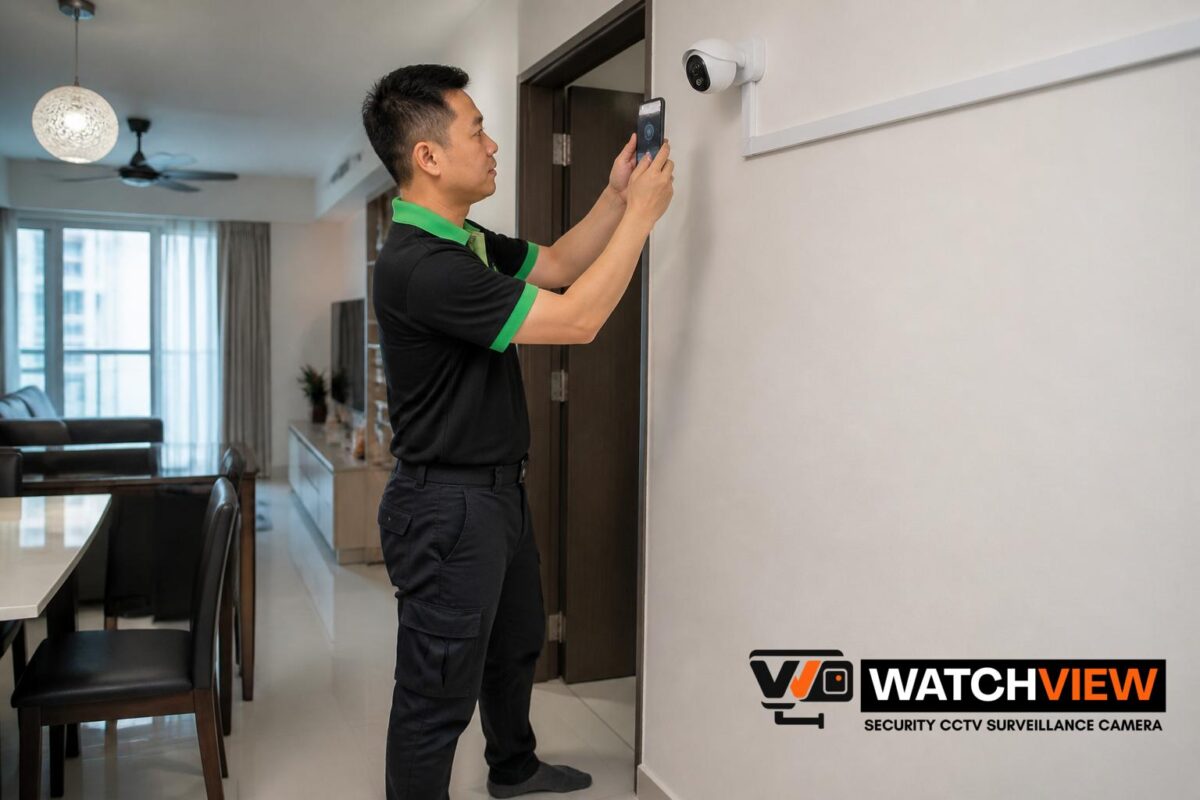
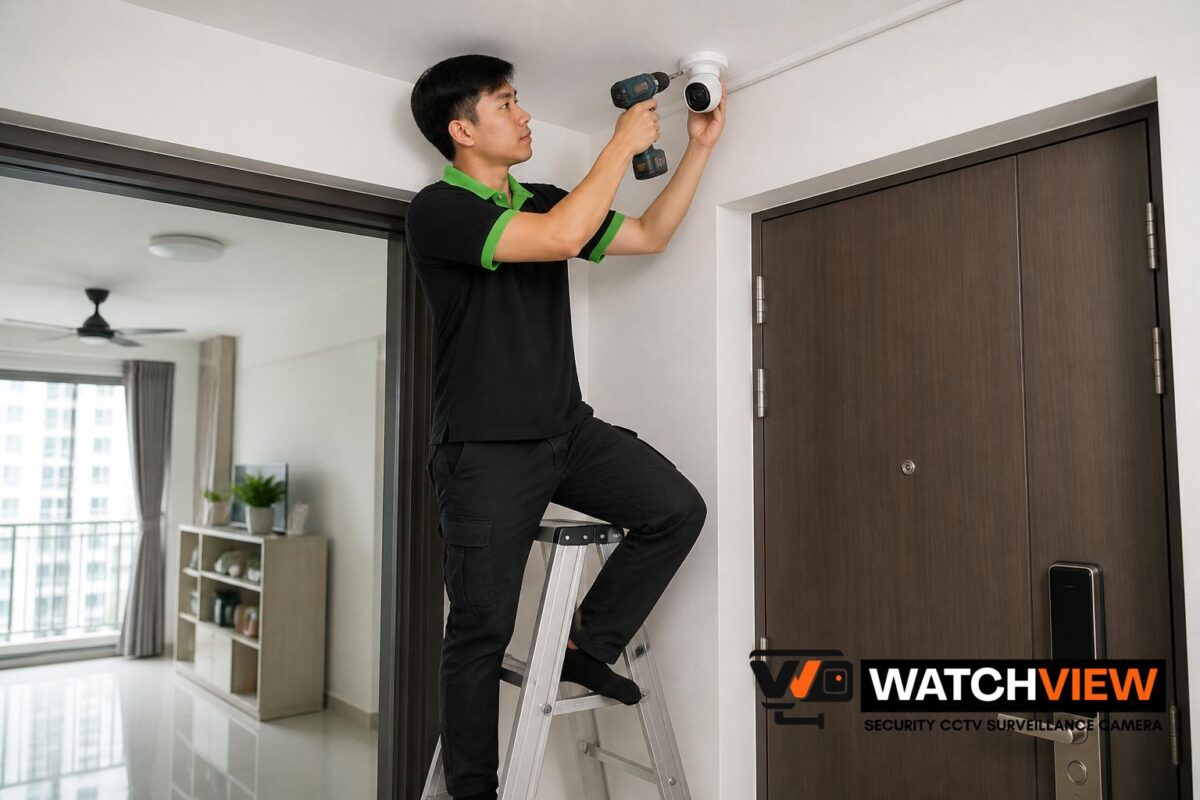
A proper correction usually involves remounting the unit with the right hardware for the wall or ceiling material. For Singapore homes, this may mean better support on concrete, careful fixing on ceiling soffits, or using a neater bracket arrangement that keeps the camera steady. A secure installation is important not only for appearance, but also for maintaining consistent coverage over time.
Rework cabling to remove clutter and reduce faults
Messy or exposed cabling is both untidy and more vulnerable to damage. Poorly routed wires can be pinched, pulled, bent too tightly or left in places where they are visible and distracting. In addition, weak cable connections can cause intermittent video loss, distorted images or power issues that are difficult to trace.
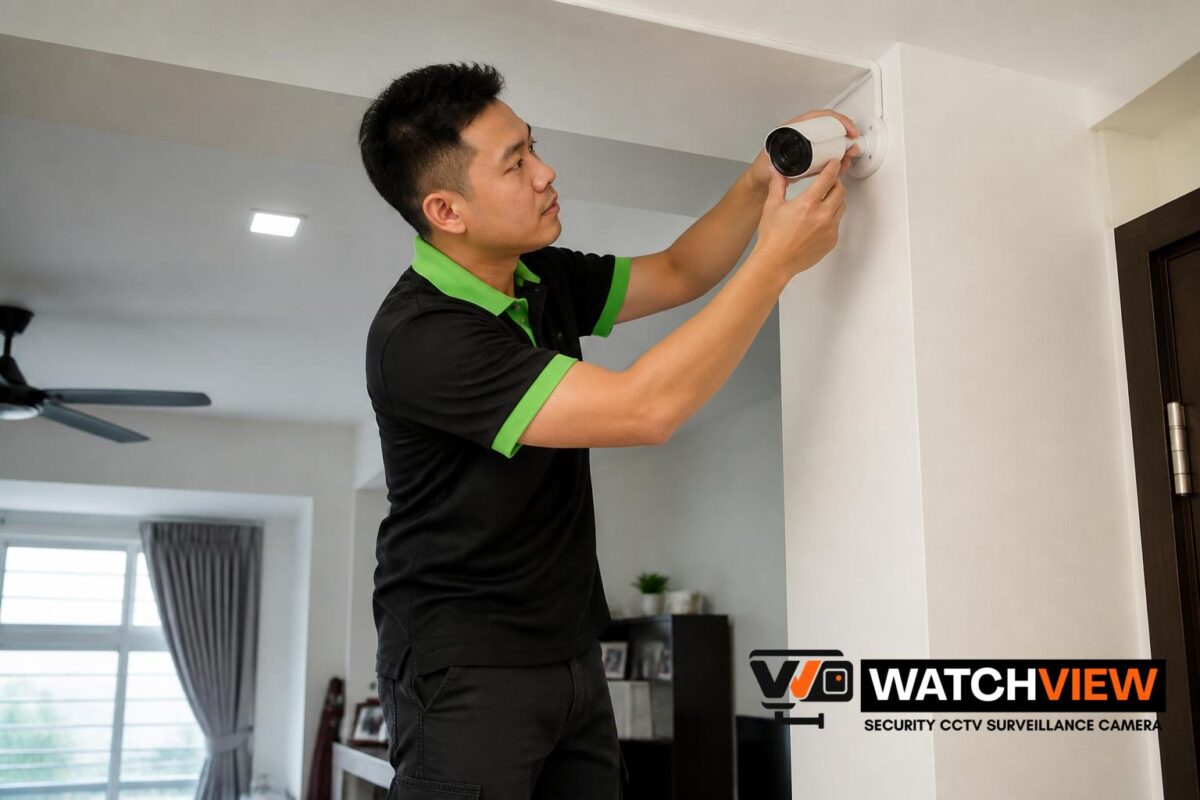
Corrective work may include rerouting cables more neatly along walls, ceiling edges or protected paths, securing them properly and checking the termination points. For wired CCTV systems, this is especially important because cable quality and routing affect reliability. A tidy, protected cable route also makes future maintenance easier and gives the installation a more professional finish.
Fix power supply and connection problems properly
Some poor CCTV setups fail because the cameras are not receiving stable power. This may happen when the power point is too far away, the adapter is exposed, the cable run is strained, or multiple devices are sharing an unsuitable connection. In such cases, the camera may reboot unexpectedly or stop recording at random intervals.
Correction may involve moving the power source, improving the cable path, or adding suitable power-point support where required. For customer-supplied cameras or installation-only jobs, it is still important to verify that the power arrangement suits the equipment and the home layout. A stable connection is essential for dependable recording and remote viewing.
Test the image quality, recording settings and night performance
Even after the physical installation has been corrected, the system should still be tested carefully. A setup may look acceptable in daylight but perform badly at night, when infrared reflections, dark corners or glare from nearby surfaces become more obvious. Poorly configured recording settings can also limit useful footage.
Final testing should confirm that the camera view covers the intended area, the image is sharp enough for practical use and the recording function is working as expected. In many home CCTV jobs, the final stage involves checking live view, playback, motion-triggered recording and night visibility so that the corrected installation is genuinely usable in daily life.
Decide whether a repair, repositioning or full reinstall is needed
Not every poor CCTV installation needs to be removed completely. Some setups only require camera repositioning, cable tidying or a stronger mount. Others may need more substantial correction if the original layout was planned badly from the start. A full reinstall is usually more sensible when multiple cameras are in the wrong locations, cabling is badly exposed or the system was installed without proper consideration for coverage.
For Singapore homeowners, the right option depends on the age of the system, the condition of the wiring, the number of cameras and the layout of the property. A simple repair may be enough for a single badly aimed camera, while a larger home with several coverage gaps may benefit from a fuller review and restructuring of the setup.
What homeowners can prepare before correction work begins
To make the correction process smoother, it helps to note the main issues you have observed. For example, identify which camera has poor angles, where the blind spots are, whether the wiring is visible, and whether the problem happens all the time or only at night. If you have the original camera models, their locations and any installation notes, keep them ready as well.
It also helps to think about what matters most: front door coverage, corridor monitoring, balcony views, driveway visibility or side access points. A clear brief allows the installer to focus on practical correction rather than making small adjustments that do not solve the underlying problem.
If you need help correcting a poor CCTV surveillance camera setup in Singapore, WhatsApp WatchView Security CCTV Surveillance Camera Singapore to discuss your exact requirement and request a quotation, including your property type, number of cameras, supply-and-install versus installation-only scope, intended camera locations, existing or customer-supplied equipment, cabling or power-point needs and preferred schedule: message us here.
Conclusion
A poorly installed CCTV setup can often be corrected through better placement, stronger mounting, neater cabling, proper power support and careful testing. In Singapore homes, the best results usually come from treating the installation as a whole rather than fixing only the most obvious fault. Once the camera position, wiring and final settings are properly reviewed, the system is far more likely to deliver practical everyday coverage.
Choose WatchView Security CCTV Surveillance Camera Singapore
WatchView Security CCTV Surveillance Camera Singapore provides practical residential CCTV solutions for homeowners looking to monitor indoor spaces and sheltered areas around their homes. Explore our services to learn more about CCTV surveillance camera, home CCTV, security camera, home security camera, home IP camera and CCTV camera solutions, including both supply-and-install and installation-only arrangements for compatible cameras.
Homeowners can also view our products to explore suitable camera options and refer to our pricing for more information on available installation arrangements. For examples of completed residential setups, visit our projects, while our blogs provide practical information on camera placement, home monitoring, CCTV systems and other considerations when planning CCTV security cameras for home use.
Serving households across Singapore, WatchView Security CCTV Surveillance Camera Singapore focuses on suitable camera coverage, dependable workmanship and straightforward recommendations based on each home’s requirements. Contact us for further enquiries via WhatsApp at +65 8241 0032 to enquire about your home CCTV and security surveillance camera requirements.
Frequently Asked Questions
Can a badly installed CCTV camera be moved without replacing the whole system?
Yes, in many cases it can. If the camera, cabling and power supply are still in good condition, repositioning the unit and remounting it correctly may be enough to improve the coverage and stability.
What are the most common signs that a CCTV setup was installed poorly?
Common signs include blind spots, shaky or tilted cameras, visible cables, unstable power, poor night images and recordings that do not capture the important parts of the property.
Is it worth correcting an old CCTV installation in an HDB flat or condominium?
Often, yes. If the system is still usable, correcting the placement and cabling can improve performance without the cost of starting from scratch. A proper assessment will show whether repair or reinstallation is the better option.