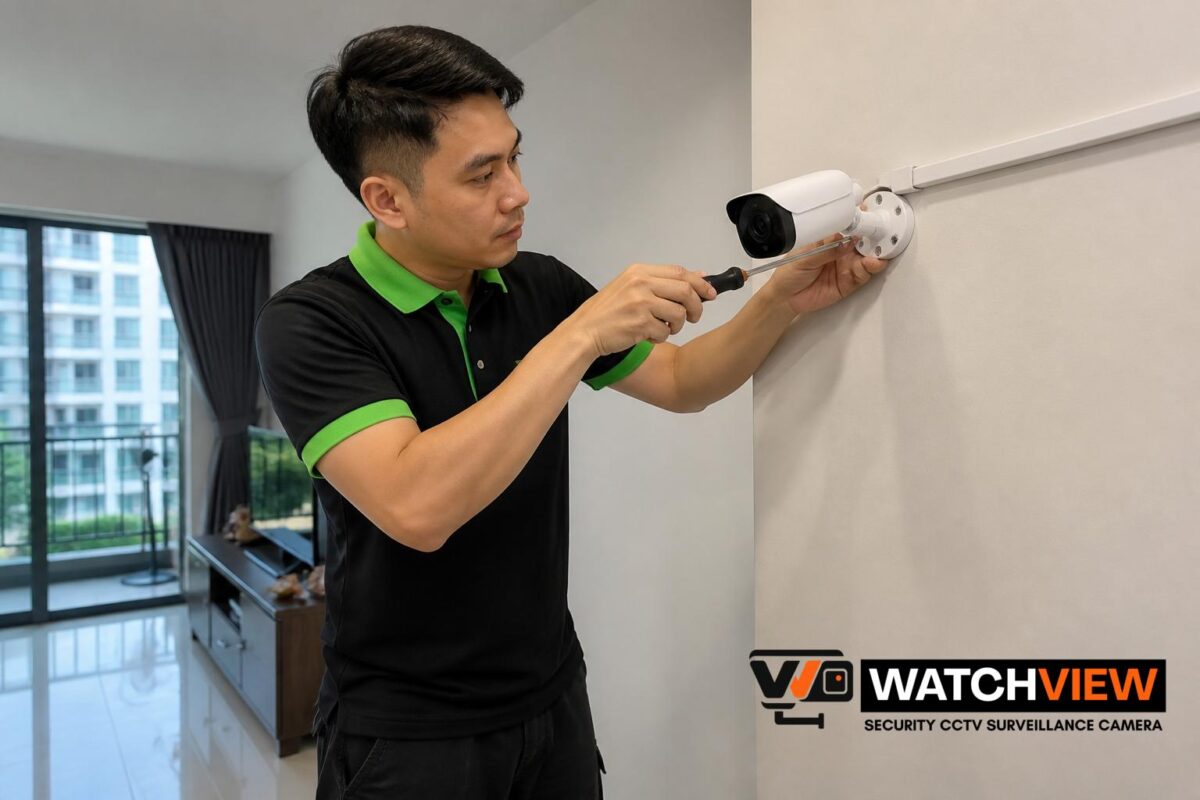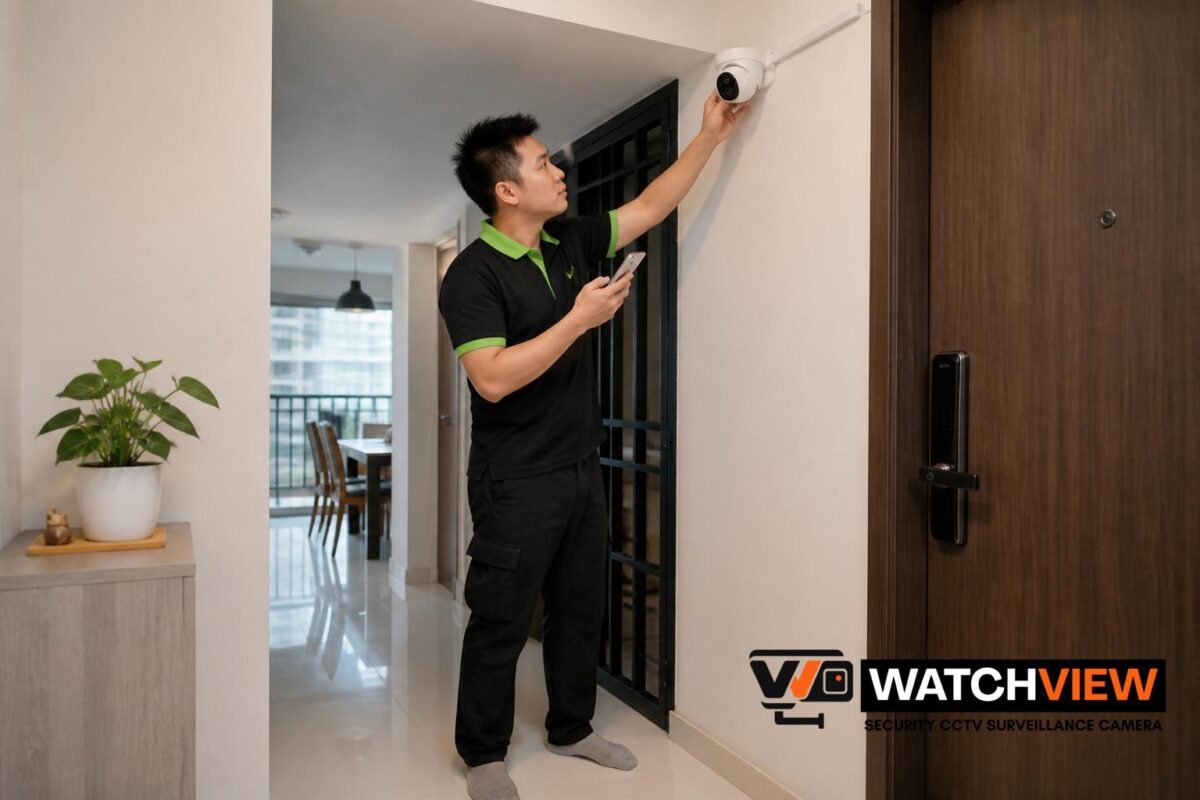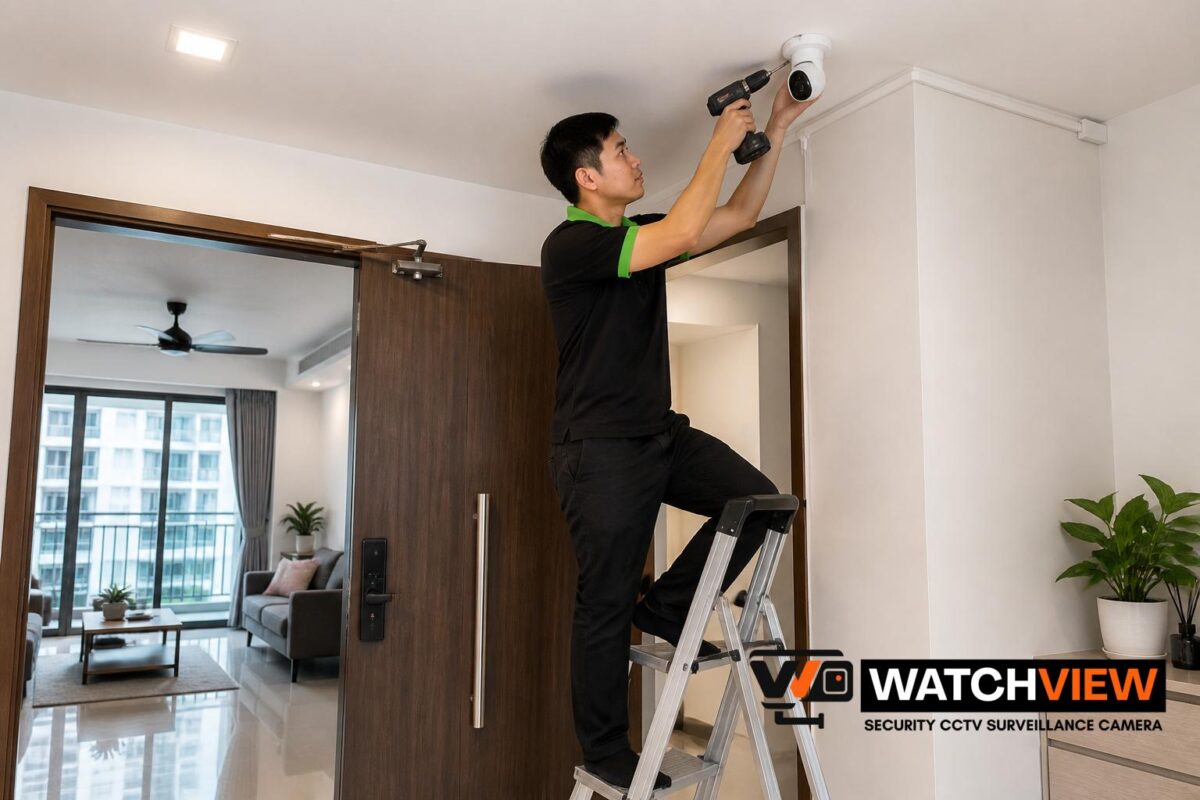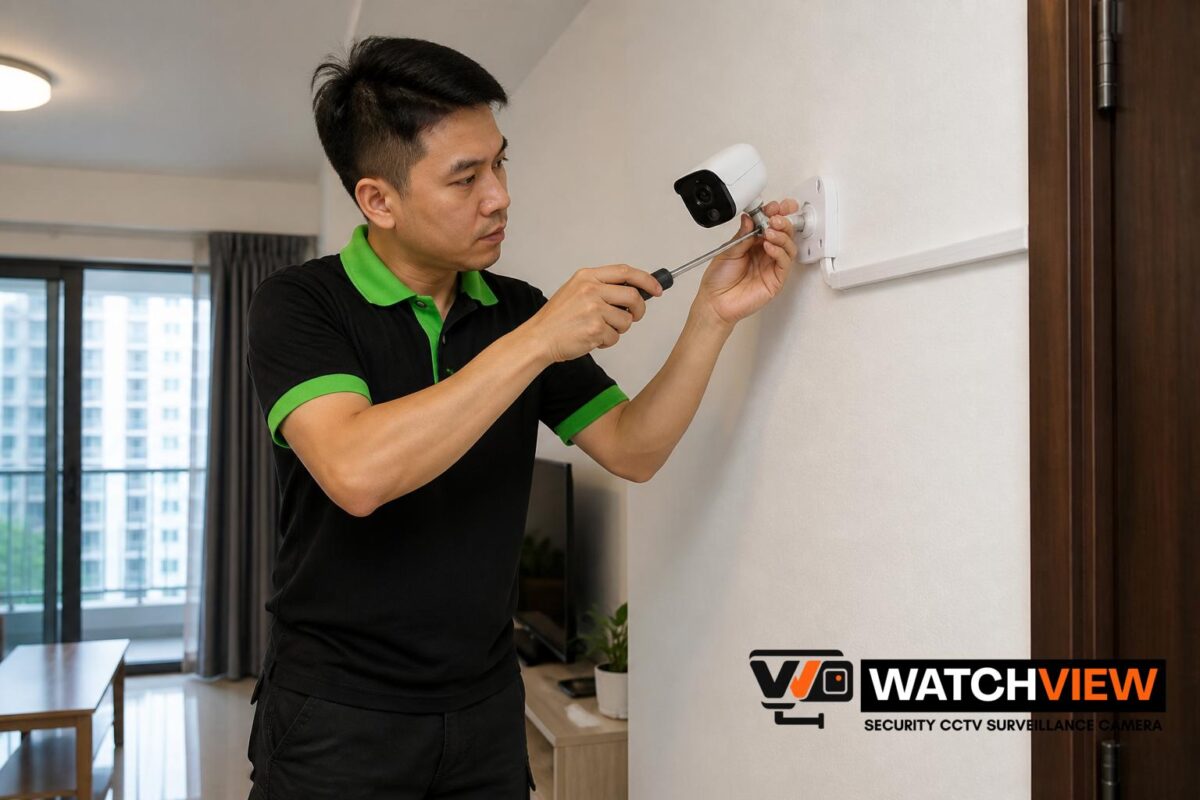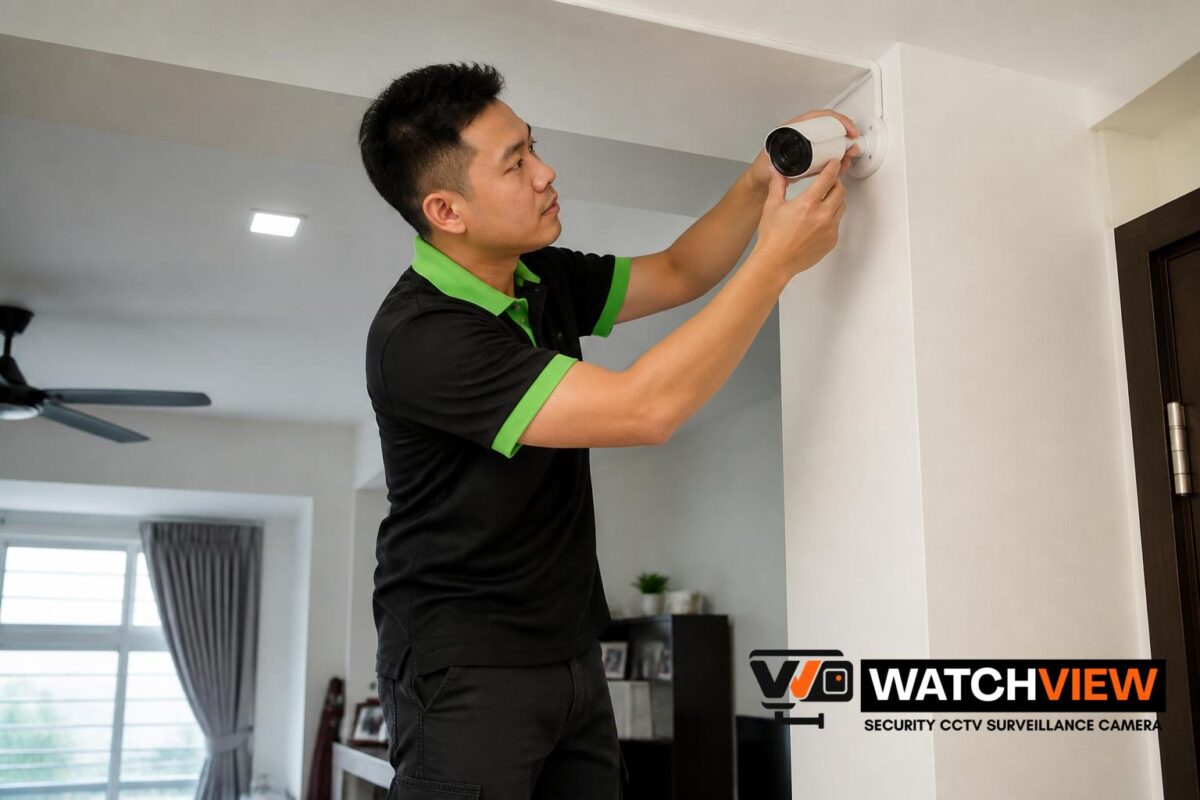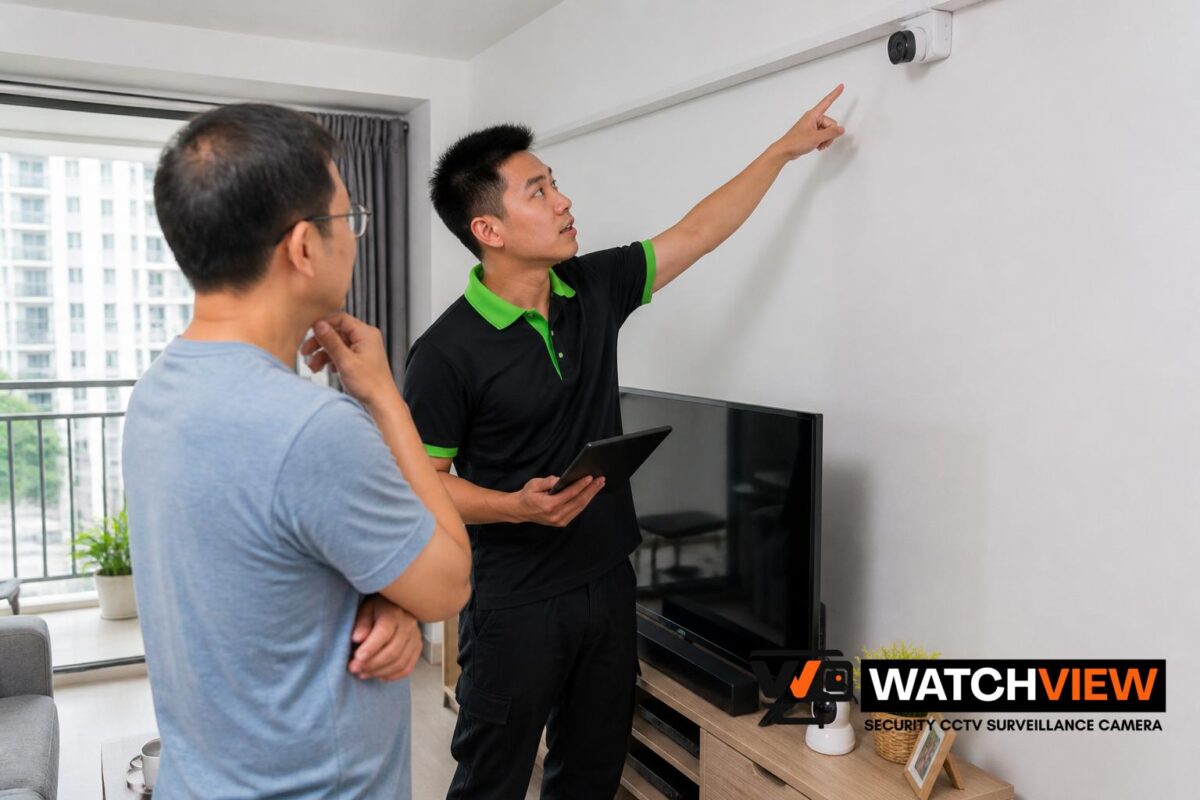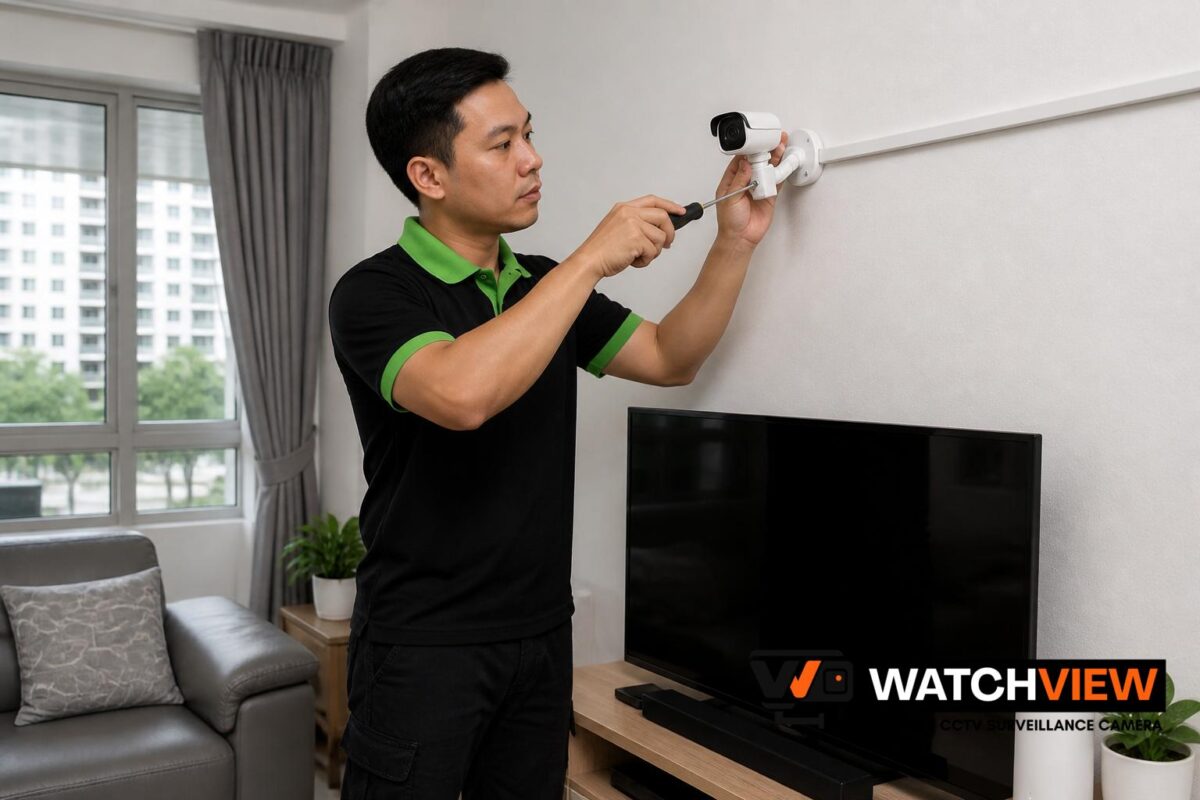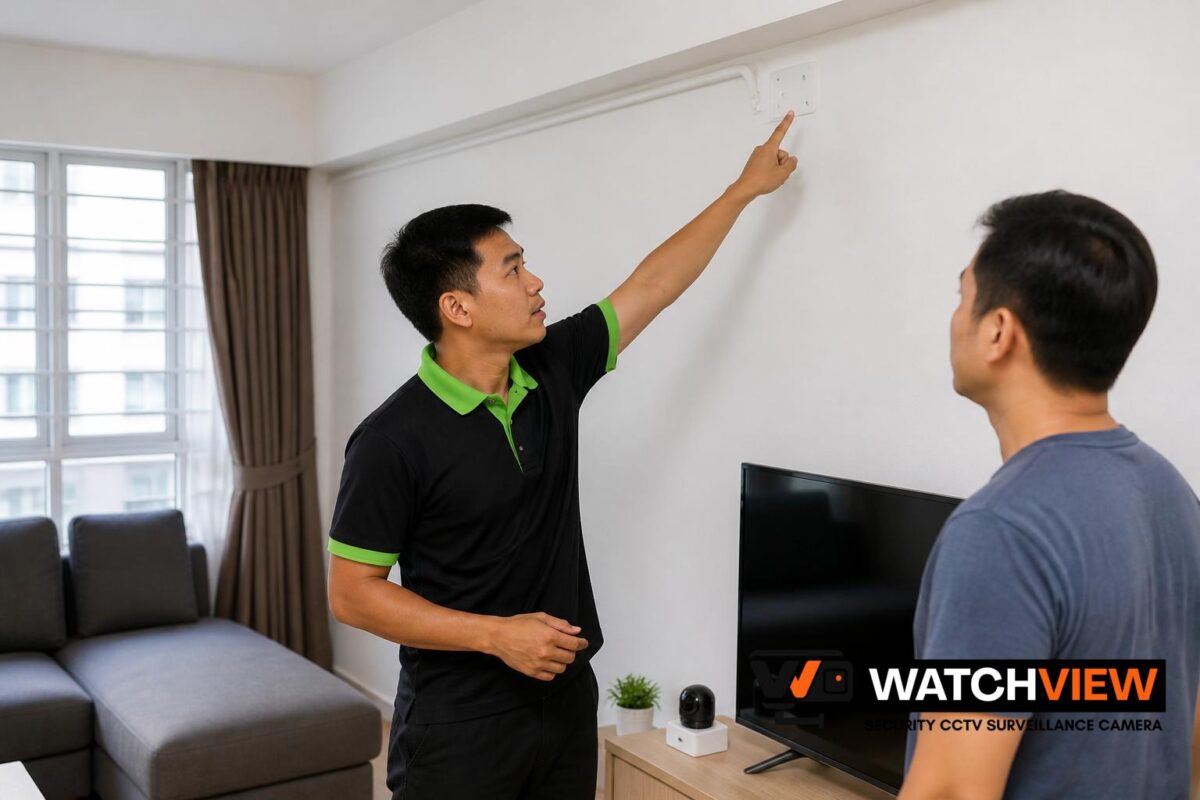

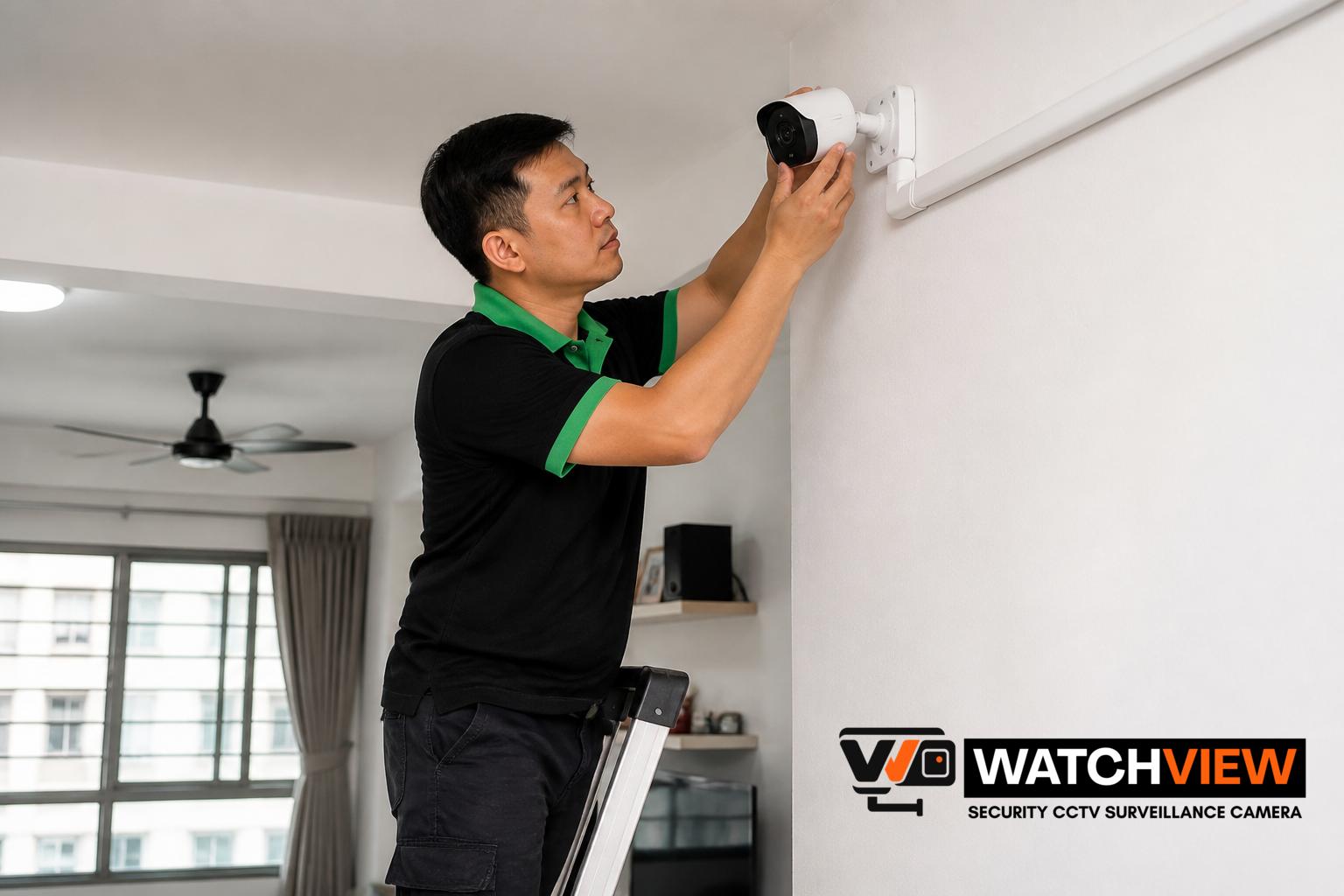
For many Singapore homeowners, an existing CCTV setup starts with one or two cameras and grows over time as household needs change. A new renovation, a wider driveway, a larger living area or a growing family can all create blind spots that were not important at the beginning. Expanding a CCTV system is usually less about replacing everything and more about planning how to extend coverage in a sensible, neat and reliable way.
Start by reviewing what the current system already covers
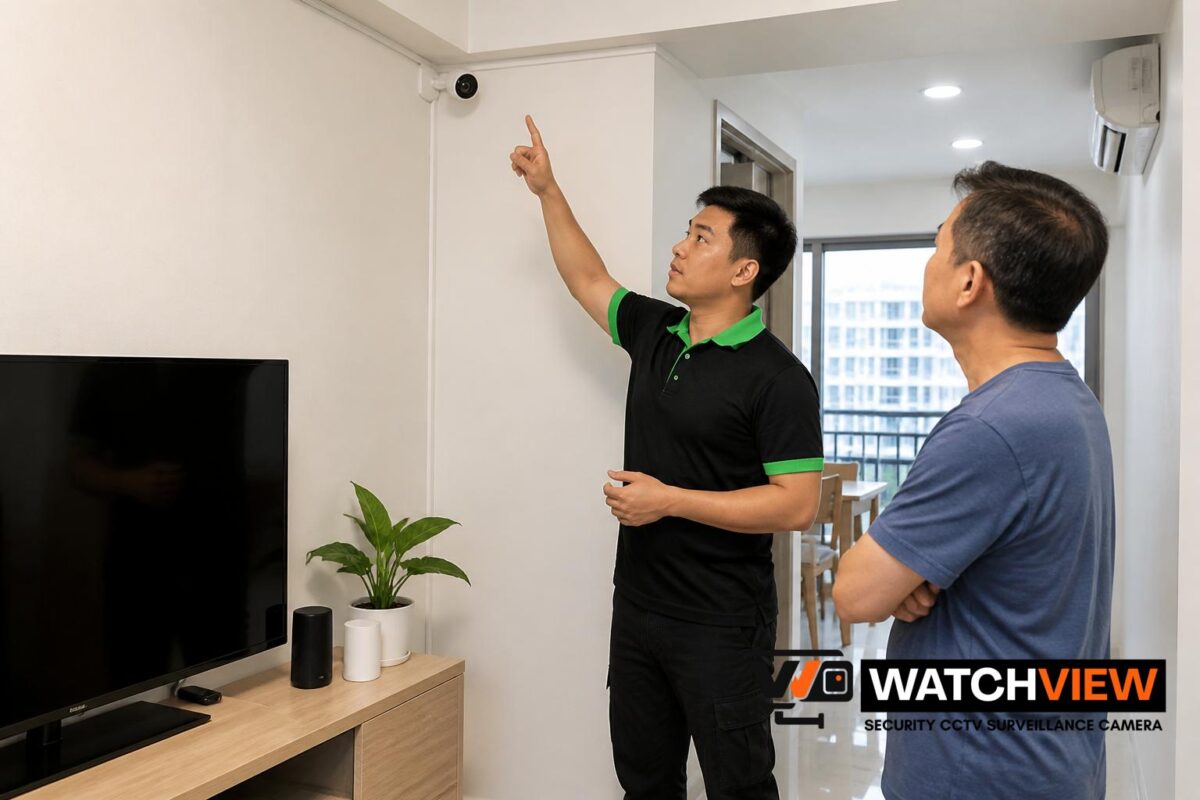
The first step is to look at the existing CCTV arrangement with a practical eye. Check which areas are already well covered, which angles overlap too much, and where activity can happen outside the current camera view. In a Singapore home, these gaps often appear at the main gate, side passage, back service yard, car porch, lift lobby entrance or internal corridors leading to bedrooms and common areas.
If the current system is still functioning well, expansion may simply involve adding a few cameras rather than changing the recorder or network equipment. However, older systems may have limited channel capacity, outdated storage, or cabling that is no longer suitable for additional runs. A proper review helps you decide whether the best route is a small upgrade or a more structured extension.
Decide whether to add wired cameras or keep the same format
One of the most important decisions is whether the new cameras should match the current setup. If the existing system is wired, it is often sensible to extend it with more wired cameras for consistency, stability and cleaner long-term maintenance. This is especially relevant for HDB flats, condominiums and landed homes where fixed camera points are usually easier to manage than mixed solutions.
Mixing different camera types can be done in some cases, but it should be planned carefully. For example, homeowners sometimes have a few existing cameras installed by a previous owner and want to add new ones at different points. The installer needs to check compatibility, power supply, cable routing, recorder channels and whether the final arrangement will still be easy to use. The aim is a system that works as one setup rather than a patchwork of unrelated devices.
Plan the new camera locations around real household movement
Expanding CCTV is most useful when the additional cameras are placed according to how people actually move around the home. Think about the paths used by family members, visitors, domestic helpers, delivery personnel and contractors. Common expansion points include the front door, entrance gate, driveway, balcony access, staircase landing and any side or rear access points that may not have been covered before.
Indoor expansion can also make sense, particularly in larger landed properties or homes with multiple levels. A camera near the living room entrance or along a central corridor may help you monitor movement without placing cameras in every room. The goal is to cover key transitions and access points while keeping the system unobtrusive and suitable for everyday family living.
Check recorder capacity, storage and power requirements
Before adding new cameras, it is important to confirm whether the existing recorder or network video recorder has spare capacity. Some systems have a fixed number of channels, so once those are used, no further cameras can be added without upgrading the recording unit. Storage is another point to consider, because more cameras usually mean more recorded footage and faster use of hard disk space.
Power requirements also need attention. Adding cameras may require new power points, more careful cable management or a better distribution of power supplies. In a residential environment, neat routing matters not only for appearance but also for safety and future servicing. A well-planned expansion should avoid visible clutter, loose cables and ad hoc extensions that make maintenance harder later on.
Make sure the cabling route is practical and tidy
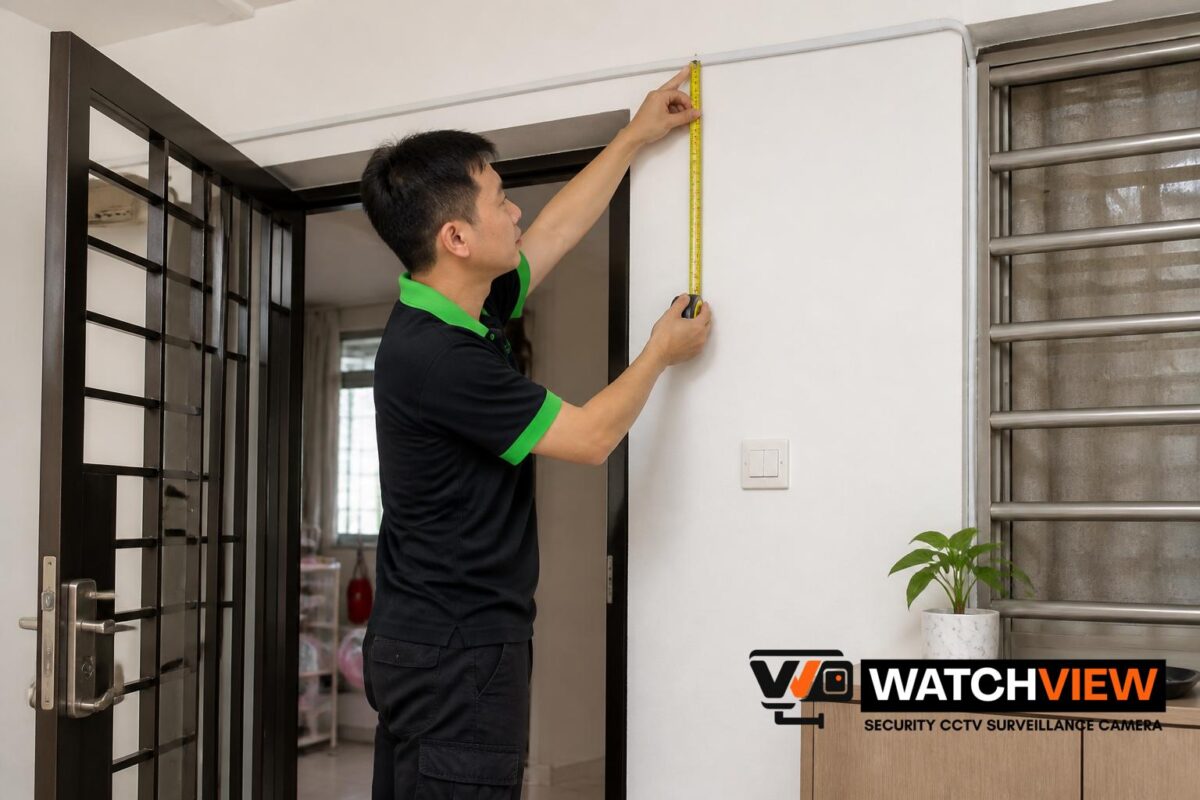
For homeowners in Singapore, the physical route of the cable is often just as important as the camera itself. When expanding an existing CCTV system, the installer needs to assess how new cables can be run from the recorder or switch to the chosen camera points. In some homes, this may be straightforward; in others, especially after renovation, the cable path may be constrained by ceilings, wall finishes or existing built-in features.
Neat cable routing helps preserve the appearance of the home and reduces the risk of accidental damage. Where possible, cables should be concealed or placed discreetly along structural lines. If the new camera point is far from the existing equipment, the installer may need to suggest the most workable route rather than the shortest one. That practical approach often leads to a more reliable and visually acceptable installation.
Think about whether the current equipment should stay or be upgraded
Sometimes expansion is easy because the current CCTV system is modern enough to accept more cameras. In other situations, the existing equipment may still work but no longer support the homeowner’s needs. This can happen when the camera count has outgrown the recorder, the image quality is too low for wider coverage, or the system interface has become difficult to manage.
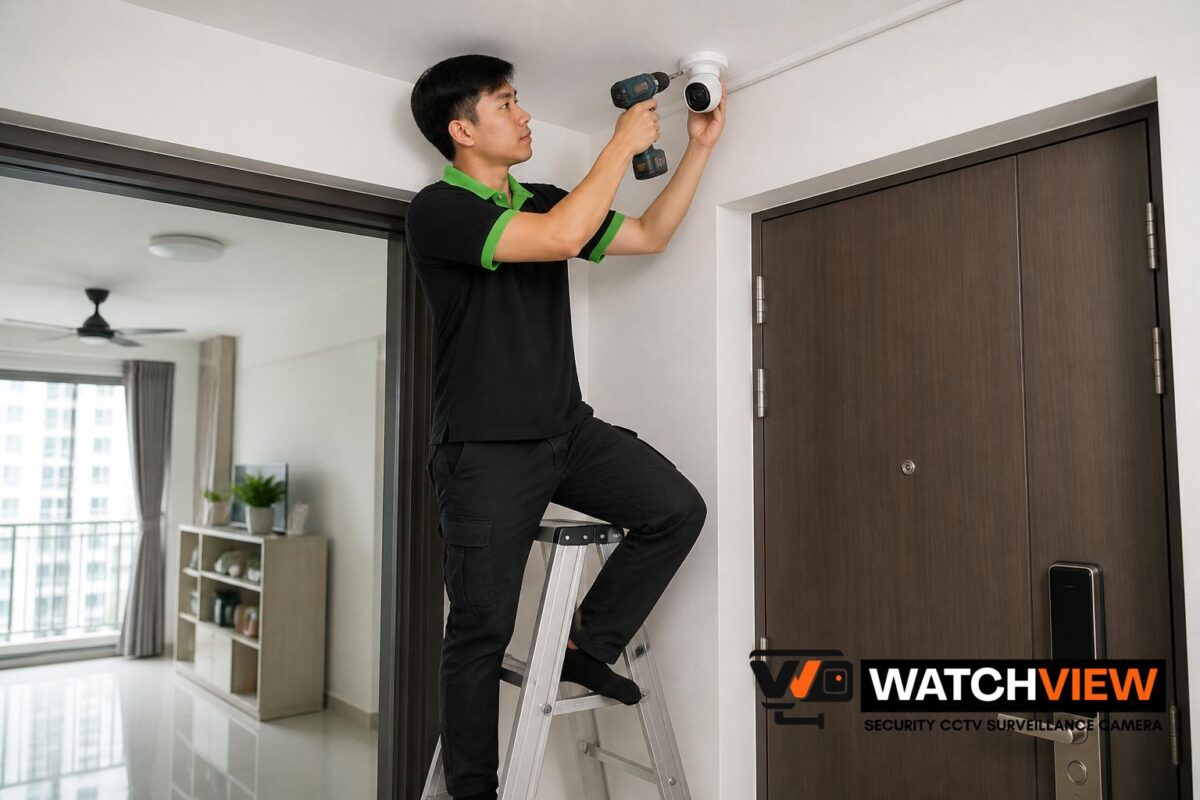
Homeowners who already have customer-supplied cameras should also confirm whether those units are suitable for the planned layout. Installation-only support can be a practical option when the cameras are already chosen, but the installer still needs to verify the mounting position, cabling, power and final setup. The focus should always be on building a reliable system that fits the home, not simply adding hardware for its own sake.
Keep access, privacy and everyday use in mind
Expanding CCTV in a home is not only a technical exercise. The layout should also respect the way the family uses the property. Cameras should be positioned to monitor entrances and shared spaces, rather than creating unnecessary coverage in private areas. For many households, the most effective system is one that supports awareness and record-keeping without making the home feel over-monitored.
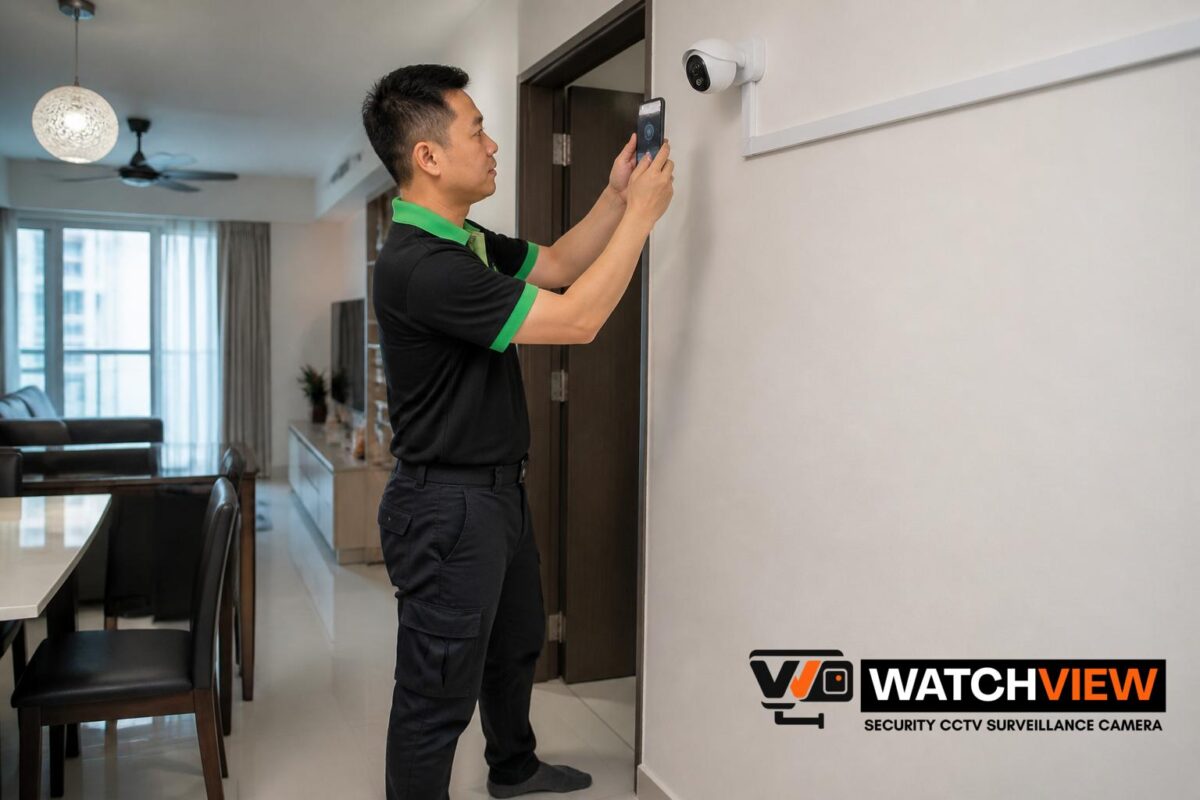
It is also useful to consider how footage will be accessed by different family members. If more cameras are added, the app or recorder interface should still be simple enough for daily use. A good expansion plan makes it easier to review recordings, check live views and manage storage without needing constant technical support.
What a practical expansion usually looks like in Singapore homes
In a typical HDB flat, expansion may involve adding a camera at the main door or common corridor side, depending on layout and management restrictions. In a condominium, homeowners may look at the entrance, balcony and internal living areas, while keeping the installation neat and suitable for the building environment. For landed homes, expansion is often broader, with cameras added at the gate, driveway, side path, rear access and internal passageways.
Across all property types, the most successful expansions are the ones that are planned around the home’s actual blind spots and hardware limitations. A careful site review, sensible camera placement and proper cable planning usually matter more than simply increasing the number of devices. That is why expansion should be approached as a structured upgrade, not a quick add-on.
If you are planning to extend your home CCTV setup, WhatsApp WatchView Security CCTV Surveillance Camera Singapore to discuss your property type, number of cameras, supply-and-install or installation-only scope, intended camera locations, existing or customer-supplied equipment, cabling or power-point requirements and preferred schedule, and request a quotation: message us on WhatsApp.
Conclusion
Expanding an existing CCTV system in a Singapore home is usually best done with a clear plan: review what is already covered, identify real blind spots, confirm equipment capacity and make sure the new installation is neat and practical. Whether you are adding a single camera or extending several points around the property, the right approach is one that fits your home’s layout and supports everyday use.
With thoughtful planning, homeowners can extend their CCTV coverage in a way that feels integrated rather than patched together, making the whole system easier to use and maintain over time.
Choose WatchView Security CCTV Surveillance Camera Singapore
WatchView Security CCTV Surveillance Camera Singapore helps homeowners set up CCTV, CCTV camera and CCTV surveillance camera solutions for residential monitoring across Singapore. Our services include home CCTV, home security camera, home IP camera and security camera setups for indoor areas as well as suitable sheltered locations outside HDB doors or gates.
Whether you are planning a new camera setup or already have compatible equipment, you can browse our products to explore available options and review our pricing for more information on the installation arrangements offered. Our projects also provide examples of completed residential camera works, while our blogs cover practical topics such as camera selection, positioning, viewing areas and home monitoring considerations.
With a focus on straightforward recommendations, suitable camera coverage and dependable installation, we support homeowners with camera setups suited to their property and monitoring needs. For further assistance, contact us via WhatsApp +65 8241 0032 to enquire about your residential camera requirements.
Frequently Asked Questions
Can I add new cameras to my existing CCTV system without replacing everything?
In many cases, yes. If the recorder has spare channels, the power supply can support additional cameras and the cabling route is workable, you may only need to extend the current setup. A site check helps confirm whether a partial upgrade is sufficient.
What if my existing CCTV cameras are from a previous homeowner?
That is common in Singapore homes. The installer can assess whether the current cameras, recorder and cables are still usable, then advise whether the system can be expanded as-is or whether some parts should be replaced for a more practical setup.
Is installation-only support possible if I buy my own cameras?
Yes, installation-only support can be suitable when you already have the cameras and just need professional mounting, cabling, power support and final setup. The key is to confirm the equipment details and the home layout before work begins.