
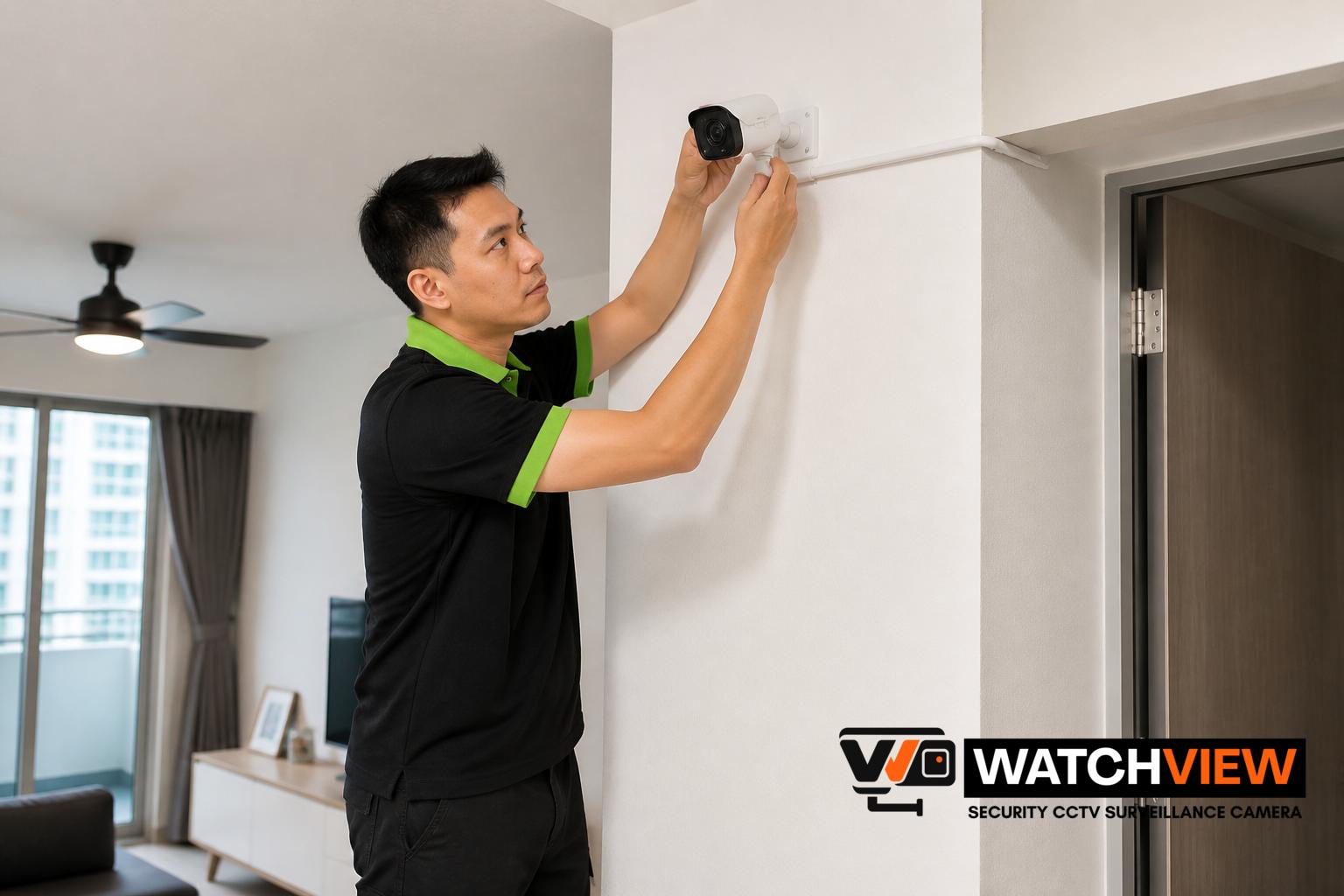
Tenants in Singapore who want video surveillance installation in a rental home usually need to balance three things: the landlord’s property, the tenancy terms, and the practical installation work itself. Whether you are staying in an HDB flat, condominium or landed rental home, it helps to plan the CCTV setup carefully so that the system is useful during the tenancy and easy to remove or hand over later if required.
Check the tenancy agreement before planning anything
The first step is to read the tenancy agreement and any house rules attached to the rental. Some landlords are comfortable with cameras as long as the installation is neat and reversible, while others may want written approval before any drilling, wiring or exterior mounting is done. If the property is a condominium, the management rules may also affect where cameras can be placed, especially in shared areas such as corridors, service yards or balconies facing common spaces.
It is sensible to clarify whether the CCTV is for internal monitoring, entrance coverage or outdoor perimeter observation. That helps avoid misunderstandings later and allows the installer to recommend a suitable setup that respects the property and tenancy conditions.
Decide what you want the cameras to cover
Tenants often assume one or two cameras will solve everything, but the right number and placement depend on the layout of the rental home. A front door camera may help monitor comings and goings, while a living room camera can cover the main communal area. For larger units or landed homes, additional coverage may be useful at the back door, yard, driveway or staircase.
Before arranging installation, think about the exact purpose of the system. Common reasons include:
- Monitoring entries and exits
- Keeping an eye on common areas inside the unit
- Checking on deliveries or visitors
- Adding visibility for valuables or storage areas
- Recording activity in the event of a dispute or incident
This planning stage is important because camera placement affects both usefulness and installation complexity.
Choose between supply-and-install or installation only
Tenants in Singapore usually have two practical options. The first is a supply-and-install service, where the installer provides the CCTV cameras and completes the mounting, cabling and setup. The second is installation-only, which is suitable if you already have purchased your own cameras and simply need professional fitting and configuration.
If you are renting, installation-only support can be convenient when the landlord already has preferred equipment, or when you want to reuse cameras from a previous home. However, the installer should still check whether the cameras are suitable for the layout, power arrangement and cable routing of the rental property. Not every camera is ideal for every location, especially if you want wired cameras with stable power and a tidy finish.
Plan for mounting, wiring and removable installation
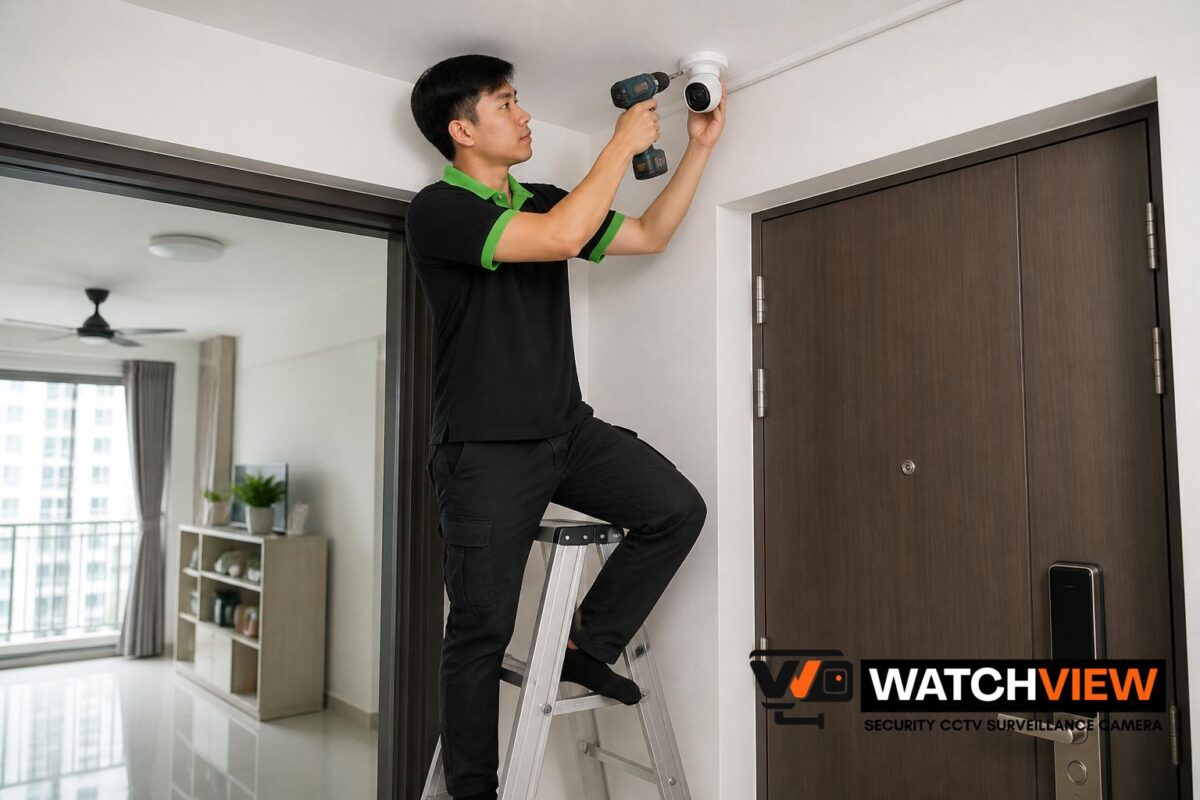
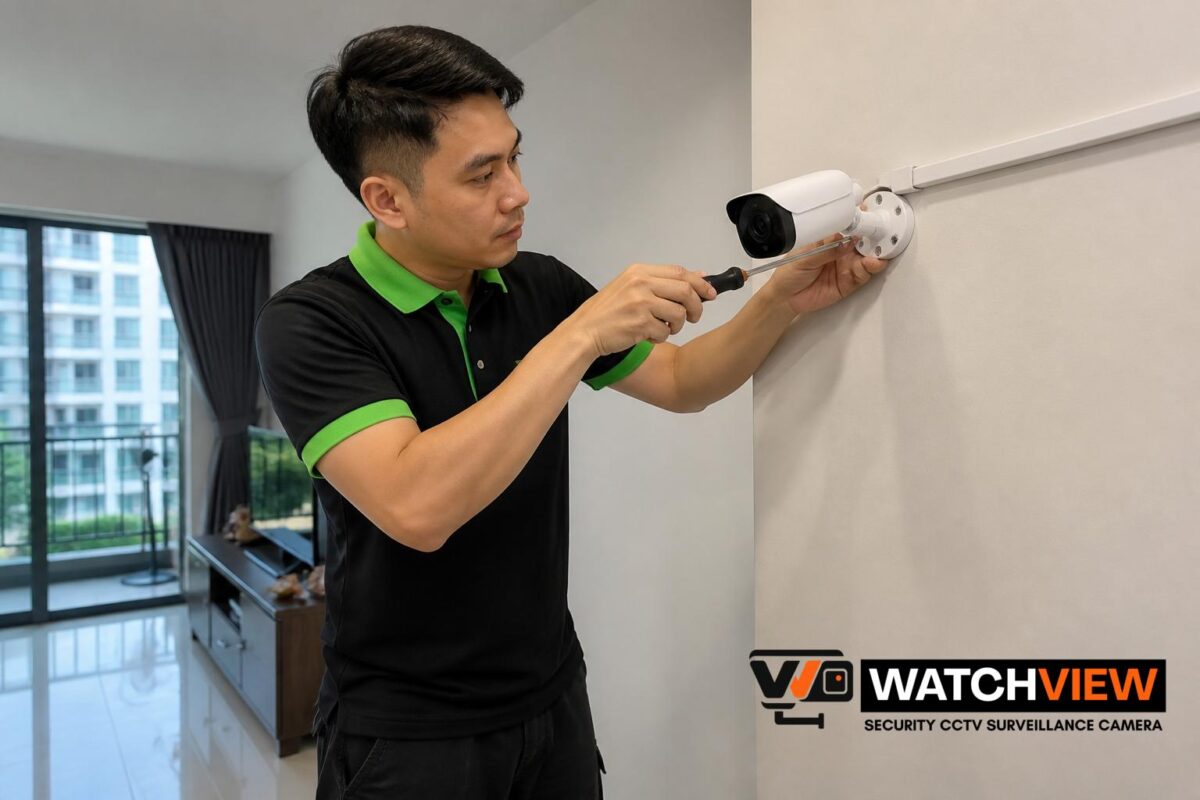
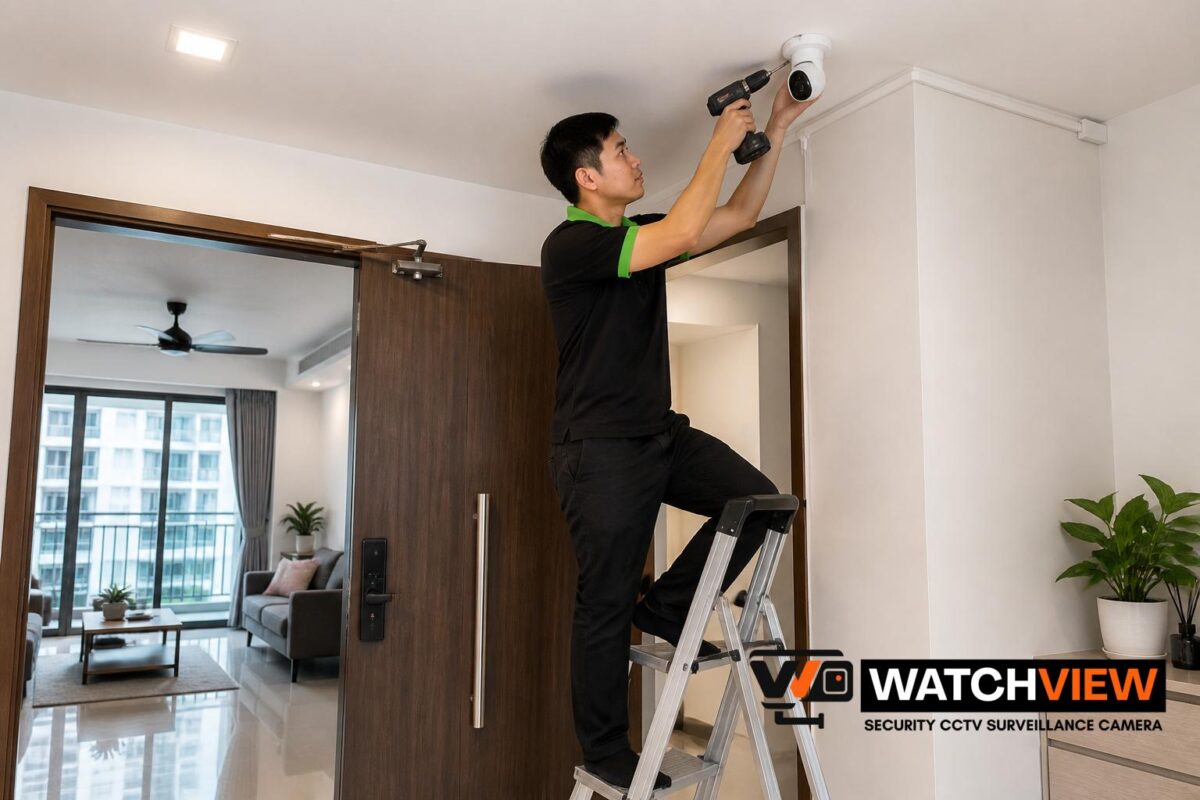
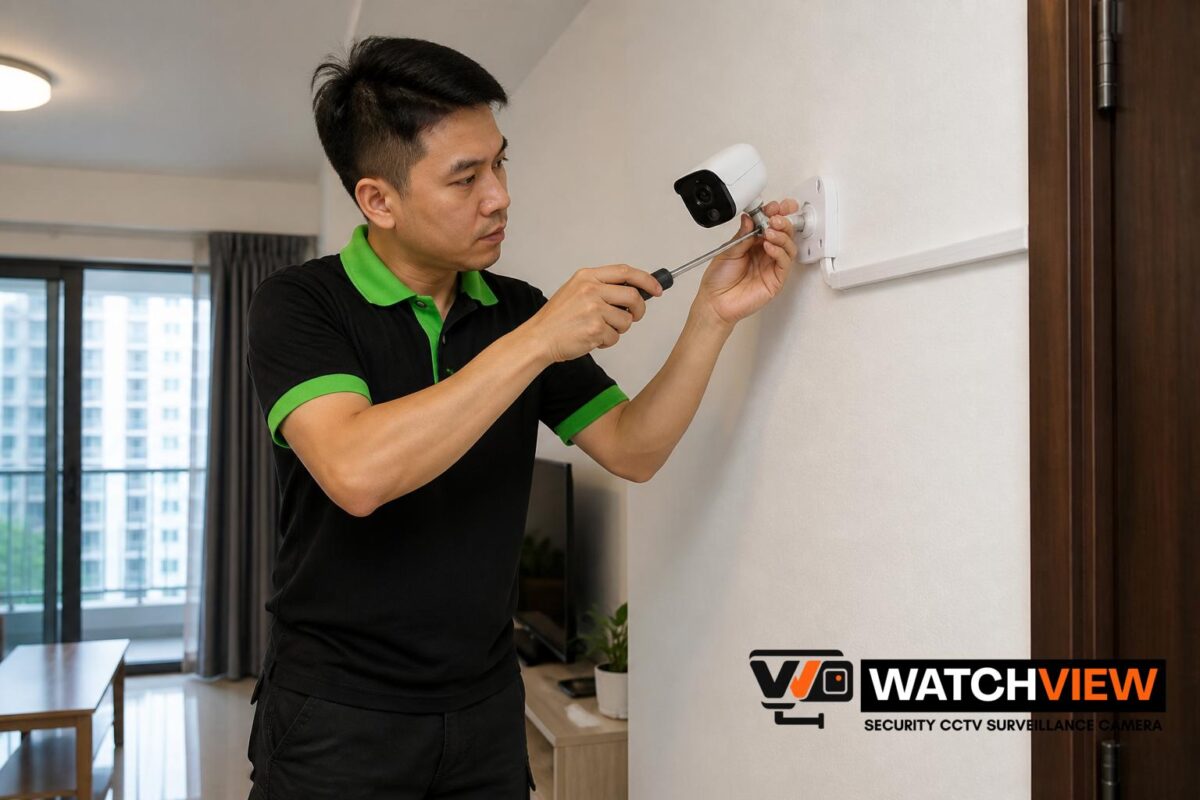
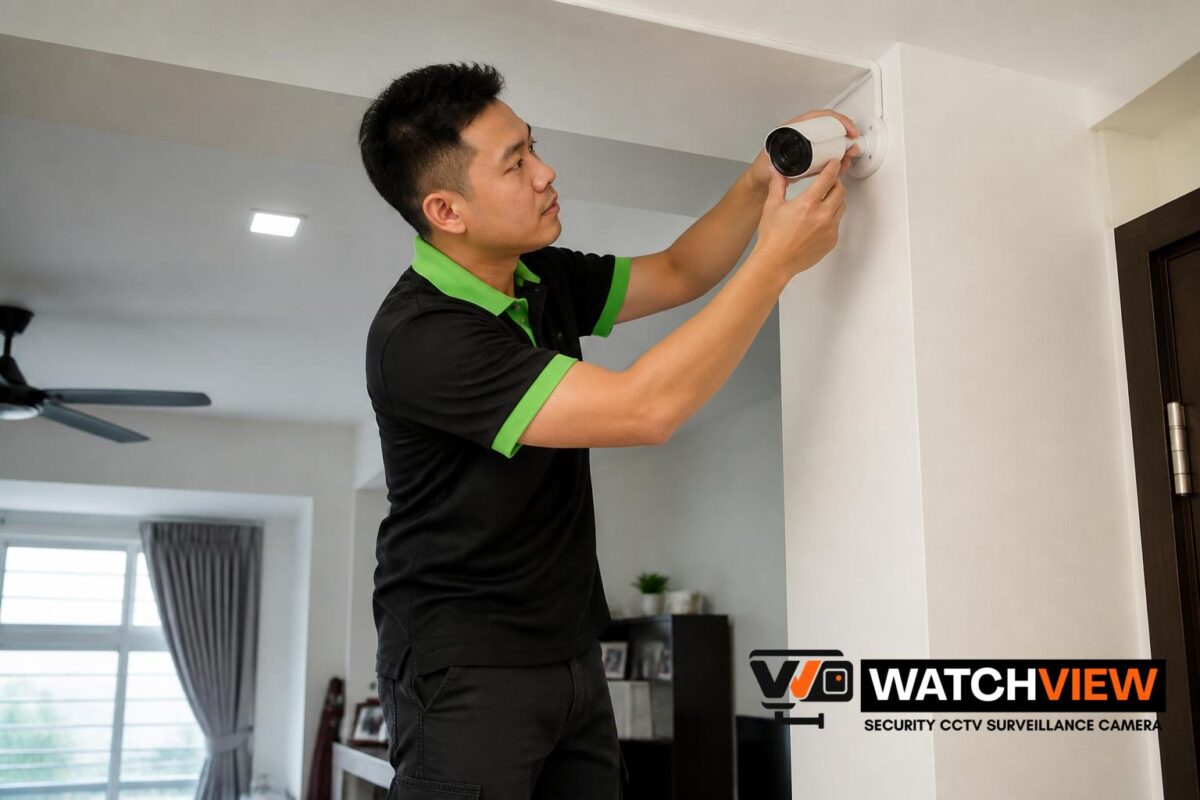
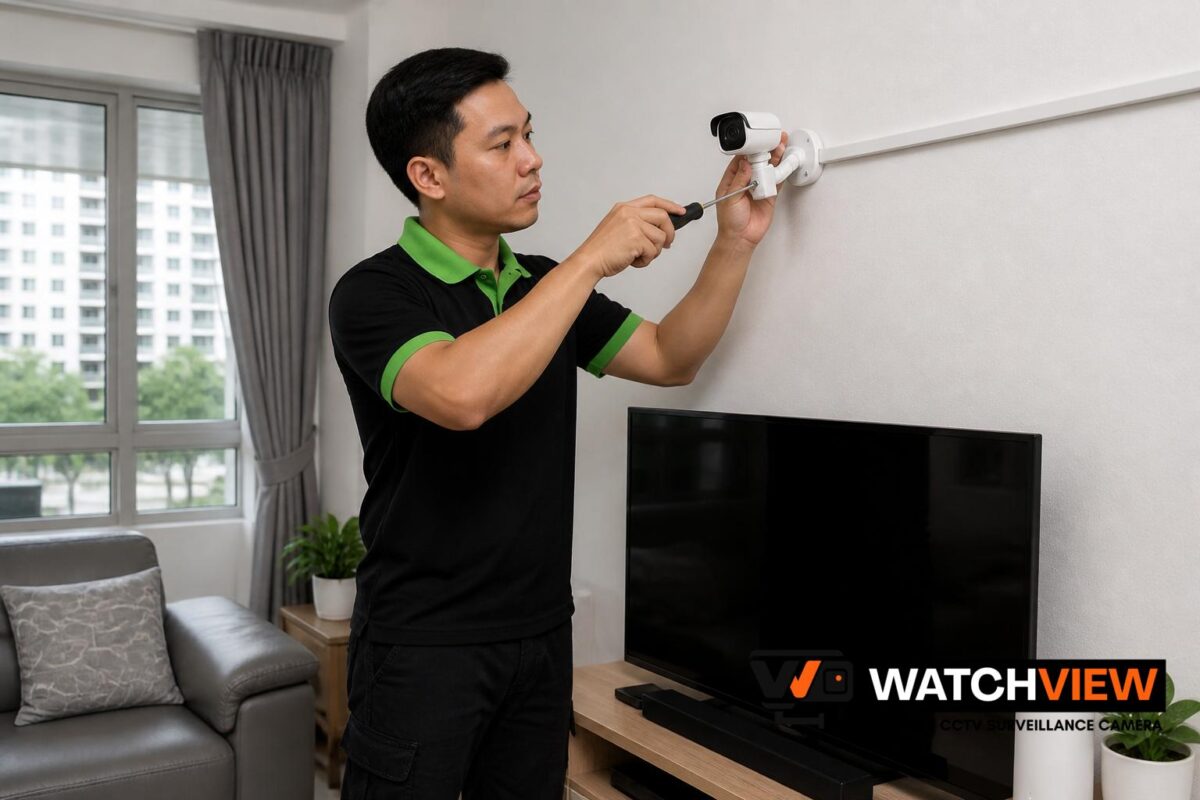
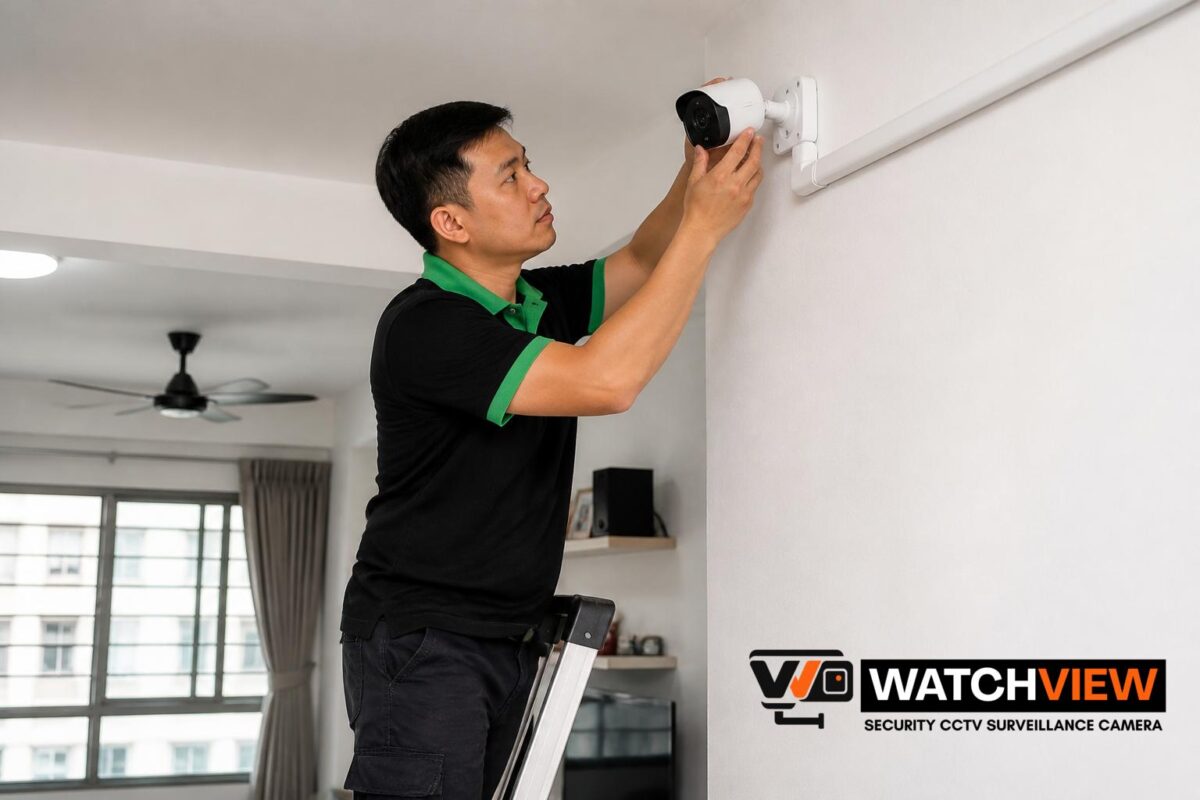
In a rental home, the installation method matters almost as much as the camera itself. Many tenants prefer a setup that is secure but not overly invasive. That usually means clear planning for wall or ceiling mounting, neat cable routing and minimal disruption to finishes where possible. For wired CCTV, the installer may need to identify the nearest power source and decide whether a new power point is needed or whether an existing socket can be used safely.
Where drilling is required, ask how the work will affect the unit and whether the camera can be removed later with minimal trace. In some homes, especially rented apartments, a clean installation with organised cabling is preferable to visible loose wires. This is also helpful during handover at the end of the tenancy, when you may need to restore the unit to its original condition.
Consider the rules for privacy and shared spaces
Tenants should be careful not to position cameras in a way that captures areas where there is a reasonable expectation of privacy, such as bathrooms or bedrooms. If the rental home has shared access points, such as a common corridor or a shared driveway, it is worth discussing the camera angle with the landlord and installer before work begins. This reduces the risk of complaints and keeps the setup aligned with the purpose of the CCTV system.
For condominium or landed rentals, external-facing cameras should be planned thoughtfully so they observe only the intended areas. An experienced installer can suggest angles that are practical without being excessive. In a tenancy context, the aim is usually reasonable coverage, not maximum coverage at all costs.
Arrange power and connectivity before installation day
Even a simple CCTV system needs the right power arrangement. If you are using wired cameras, the installer may need to support cable runs to a nearby power source or advise on power-point placement. Tenants should not assume that a camera can be fixed anywhere without checking whether the location has a stable and suitable power supply.
If the system includes IP cameras or network-connected devices, the tenant should also confirm where the internet router or network point is located. Good planning helps the installer route cables more neatly and test the system properly after installation. It is better to settle these details in advance than to discover on the day that the chosen position is difficult to power or connect cleanly.
Speak to the landlord or managing agent early
Once you know what kind of coverage you want, speak to the landlord or managing agent before making any booking. Explain the number of cameras, the intended locations, whether drilling is required and whether the setup is temporary or meant to stay for the full lease term. A short written approval is often useful, especially if the installation involves wall mounting or cabling changes.
In many rental arrangements, a practical conversation is enough to prevent disputes later. Landlords are often more receptive when the tenant presents a clear, tidy plan rather than a vague request for “some cameras”. If there are restrictions, the installer may still be able to propose alternatives that are less invasive.
What a professional installation visit usually involves
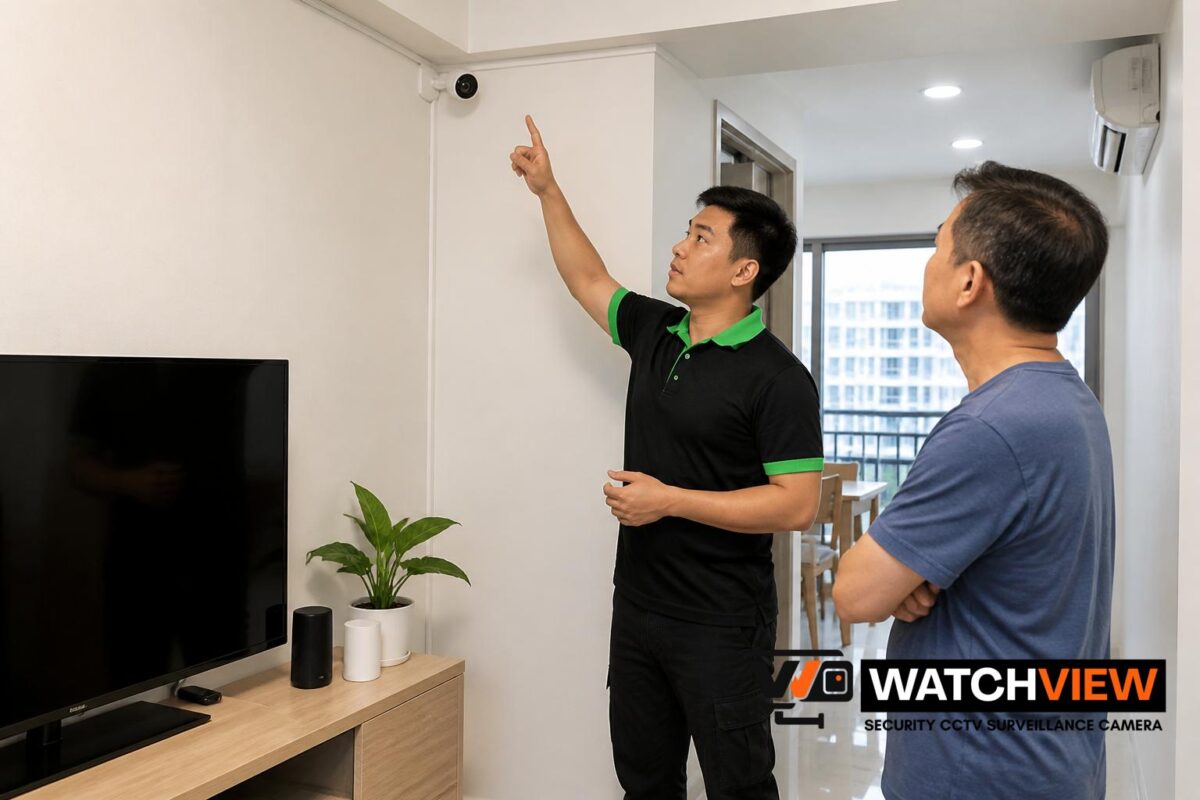
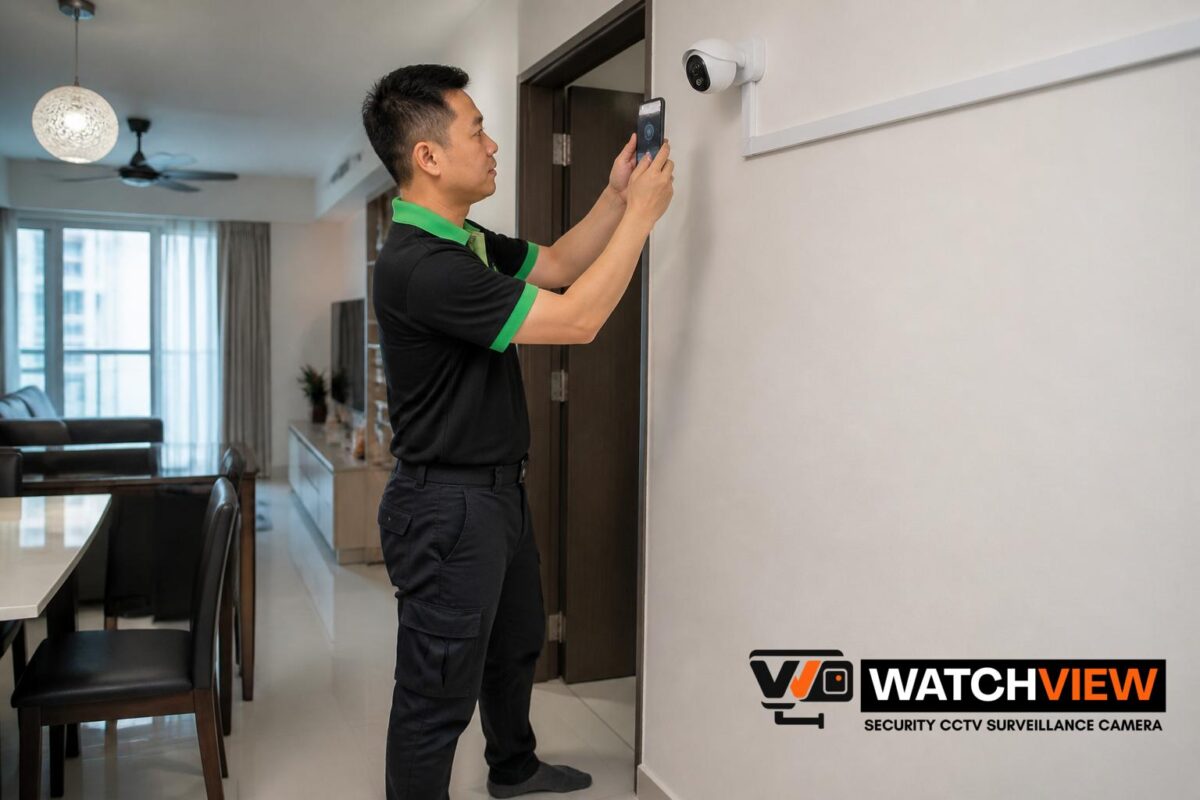
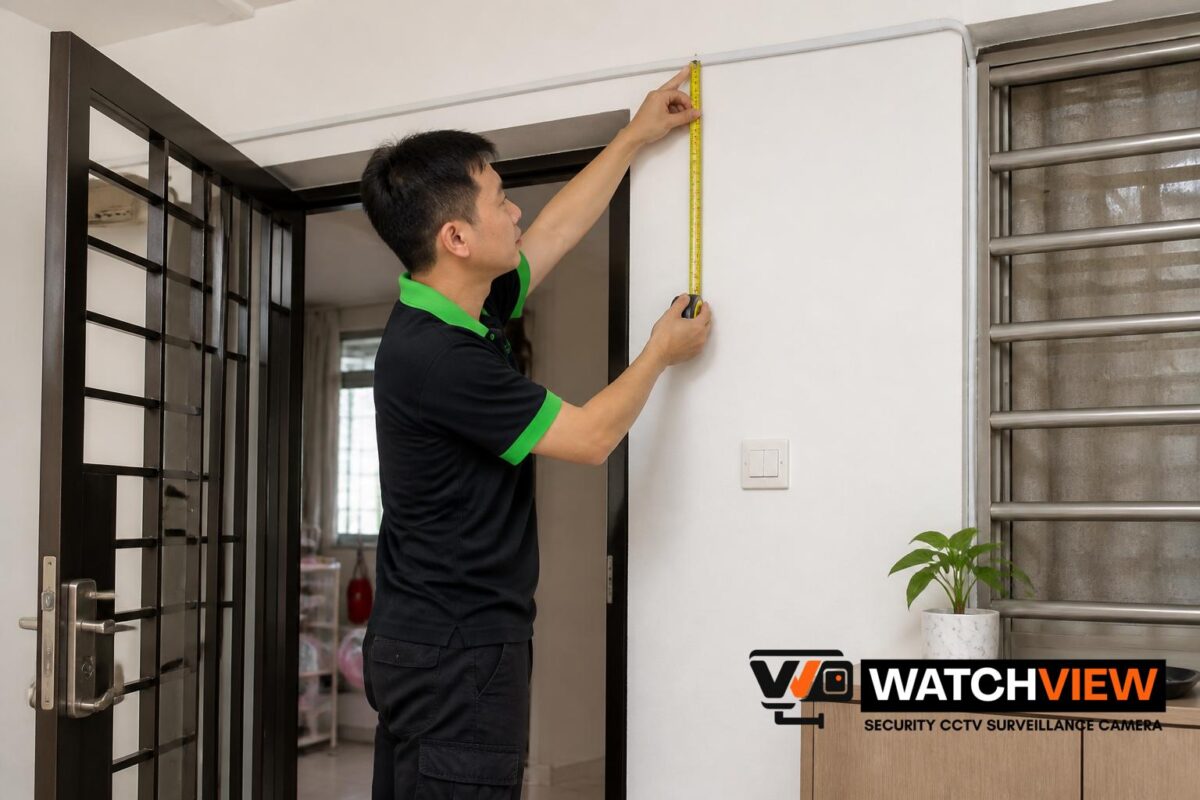
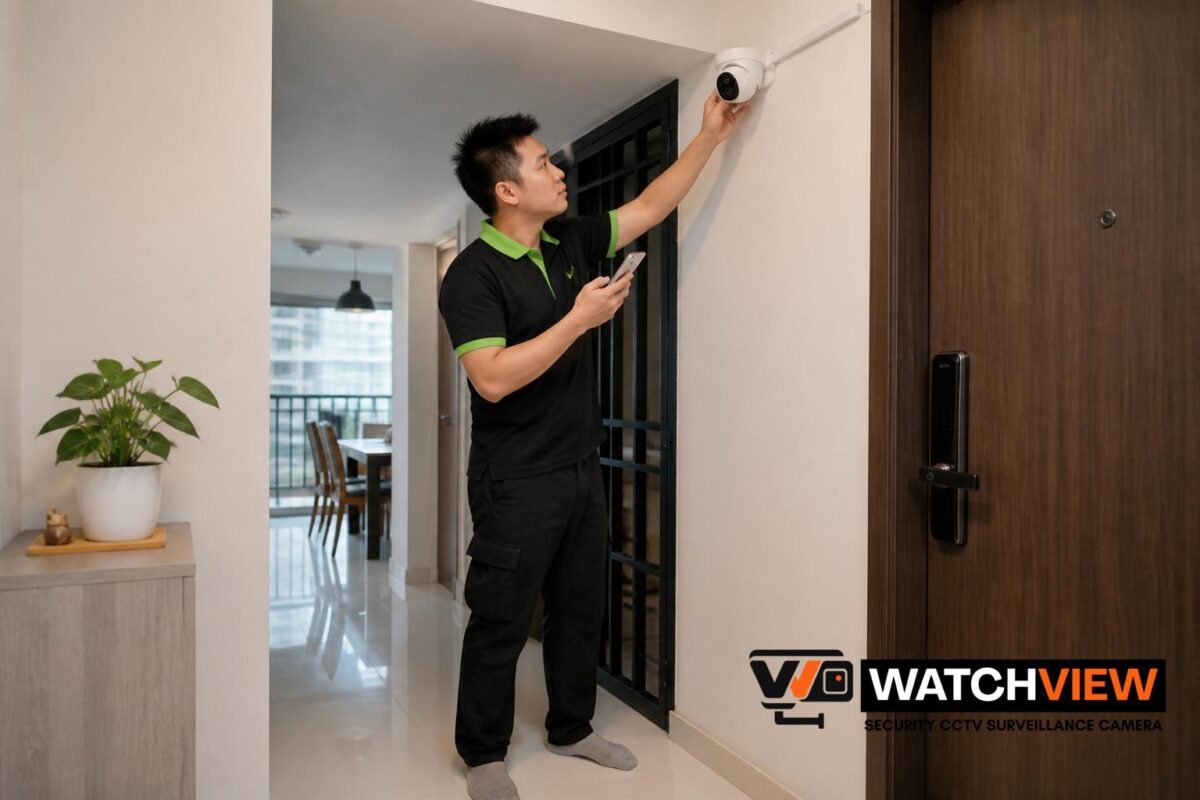
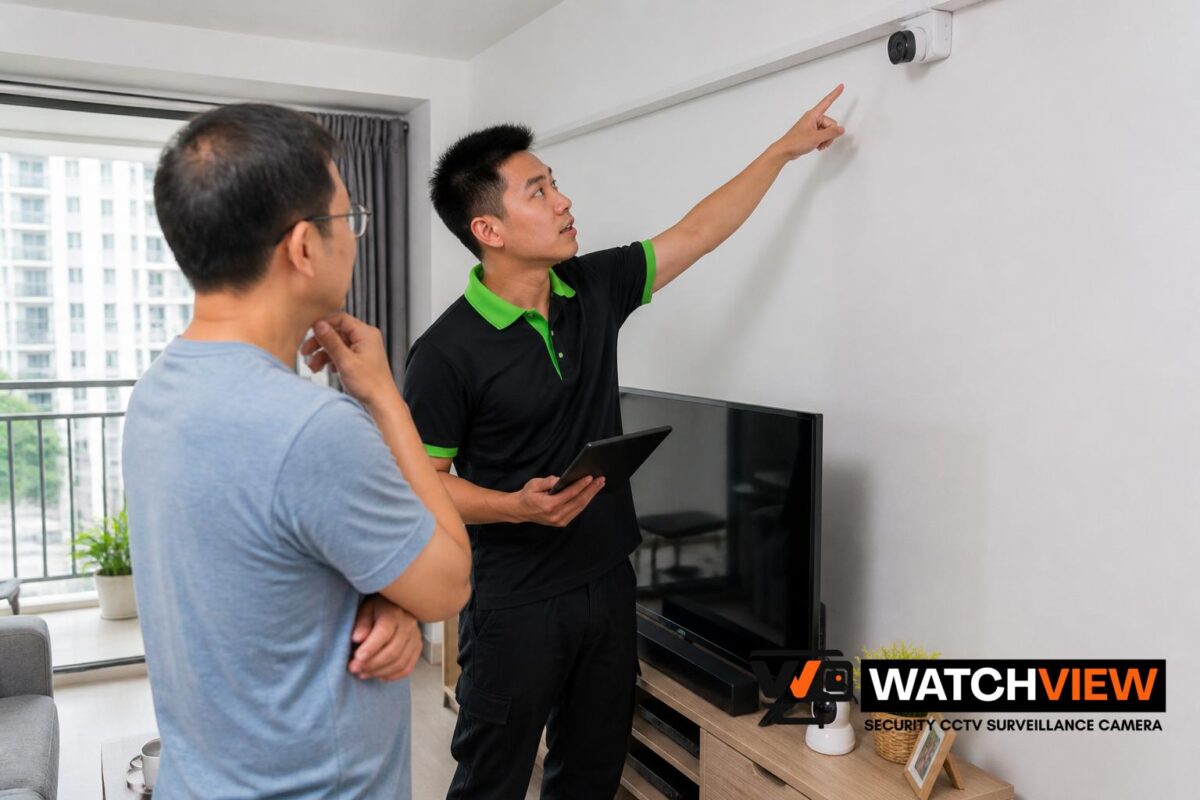
For tenants, a proper CCTV installation should normally include a site check, confirmation of camera positions, secure mounting, basic cabling work, power connection and final testing. The installer should make sure that each camera angle covers the intended area and that recording or live-view functions are working as expected. If the system is being supplied by the installer, the basic setup and testing can usually be completed on the same visit, depending on the property layout.
It is also useful to ask how the system will be handed over. Tenants should know how to view the cameras, access recordings where applicable and make simple adjustments if needed. This is especially important in a rental home where the setup may be temporary but still needs to function reliably throughout the lease.
If you are a tenant in Singapore and need help with a rental-home CCTV setup, WhatsApp WatchView Security CCTV Surveillance Camera Singapore to discuss your property type, number of cameras, supply-and-install or installation-only scope, camera locations, cabling or power-point needs, and preferred installation schedule, and request a quotation.
Conclusion
Arranging video surveillance installation in a Singapore rental home is usually straightforward when the tenant starts with the tenancy terms, plans the camera coverage carefully and discusses the installation method in advance. The most important points are landlord approval, sensible camera placement, tidy wiring and a setup that suits the property without creating unnecessary problems at handover. With the right planning, tenants can have a practical CCTV system that fits the rental arrangement and the home layout.
Choose WatchView Security CCTV Surveillance Camera Singapore
WatchView Security CCTV Surveillance Camera Singapore provides practical residential CCTV solutions for homeowners looking to monitor indoor spaces and sheltered areas around their homes. Explore our services to learn more about CCTV surveillance camera, home CCTV, security camera, home security camera, home IP camera and CCTV camera solutions, including both supply-and-install and installation-only arrangements for compatible cameras.
Homeowners can also view our products to explore suitable camera options and refer to our pricing for more information on available installation arrangements. For examples of completed residential setups, visit our projects, while our blogs provide practical information on camera placement, home monitoring, CCTV systems and other considerations when planning CCTV security cameras for home use.
Serving households across Singapore, WatchView Security CCTV Surveillance Camera Singapore focuses on suitable camera coverage, dependable workmanship and straightforward recommendations based on each home’s requirements. Contact us for further enquiries via WhatsApp at +65 8241 0032 to enquire about your home CCTV and security surveillance camera requirements.
Frequently Asked Questions
Do tenants need the landlord’s permission to install CCTV in a rental home?
In most cases, yes, it is best to obtain the landlord’s permission before any drilling, mounting or wiring is done. This is especially important if the installation affects walls, ceilings, external areas or shared spaces in the property.
Can CCTV be installed without damaging the rental unit?
Some setups are more removable than others, but if you want a neat and secure result, a professional installer can often plan the mounting and cable routing to minimise impact. The exact approach depends on the property layout and the camera positions you want.
Is installation-only support available if I already bought my own cameras?
Yes, installation-only support is often suitable for tenants who already have the cameras and simply need help with mounting, cabling, power connection and final setup. It is still a good idea to confirm that the equipment matches the rental home’s layout before booking the work.