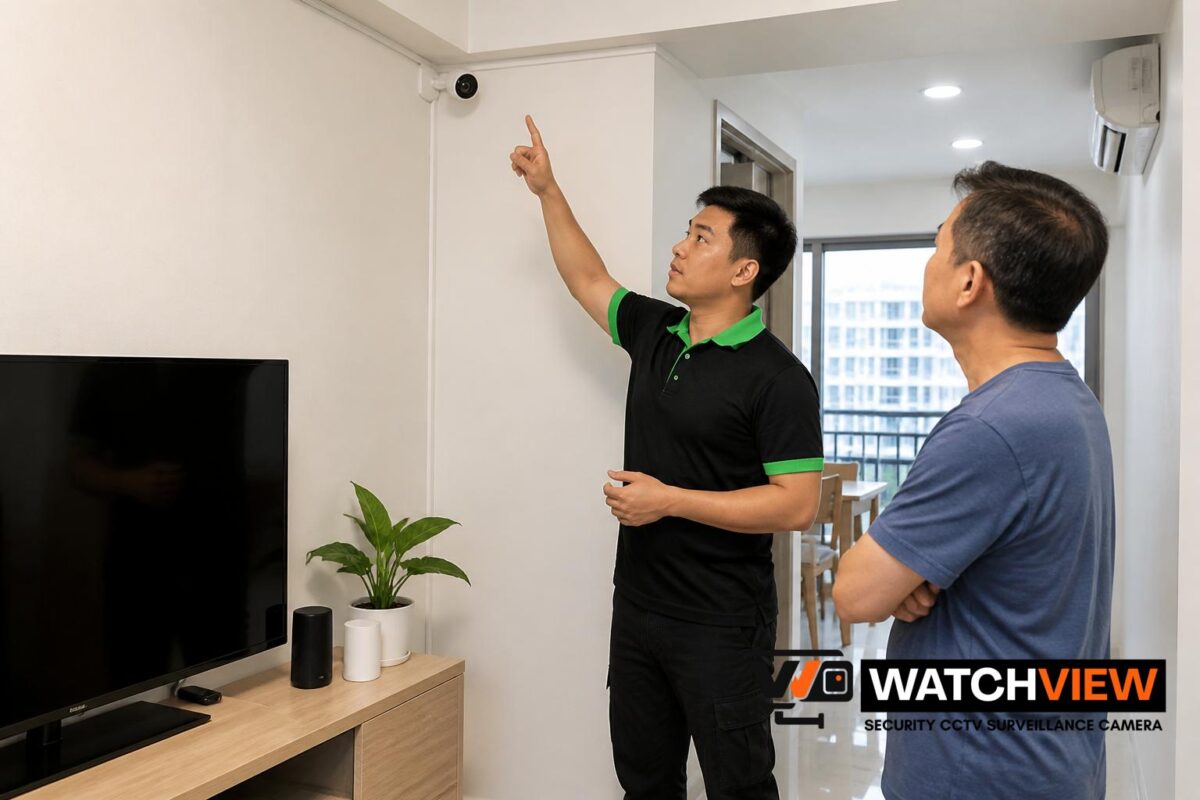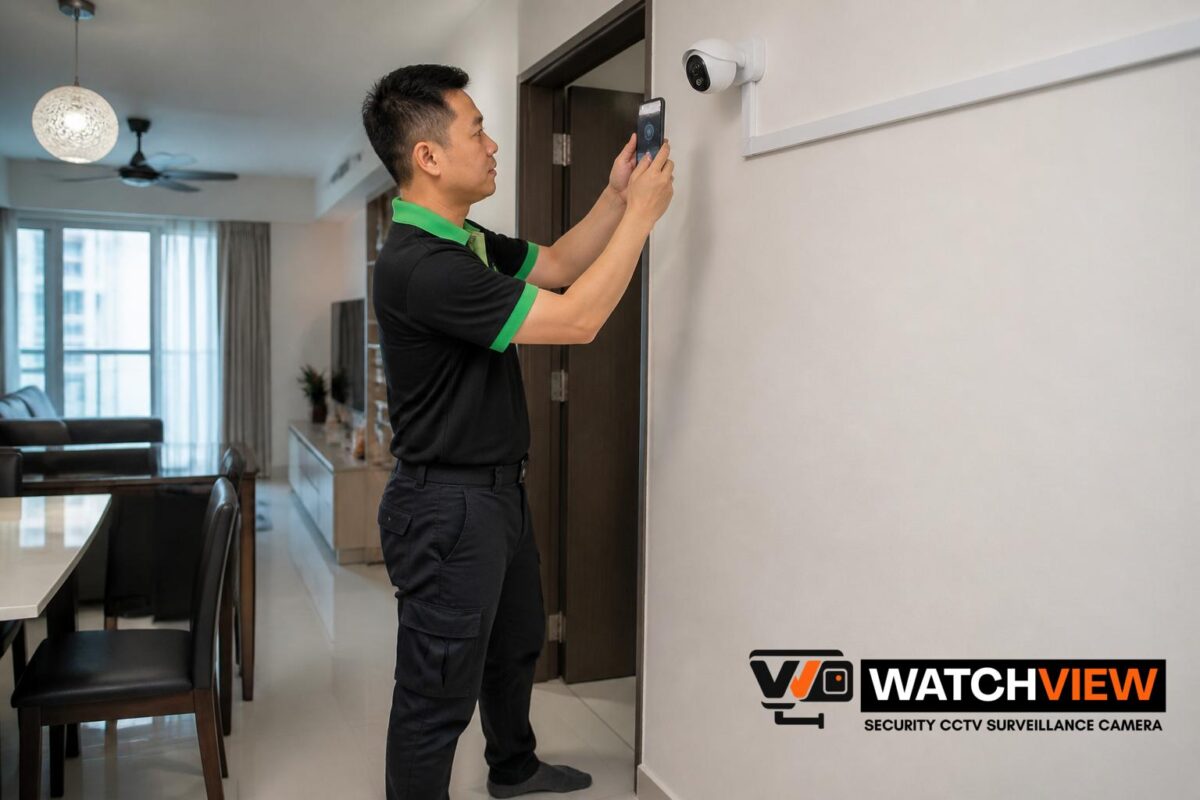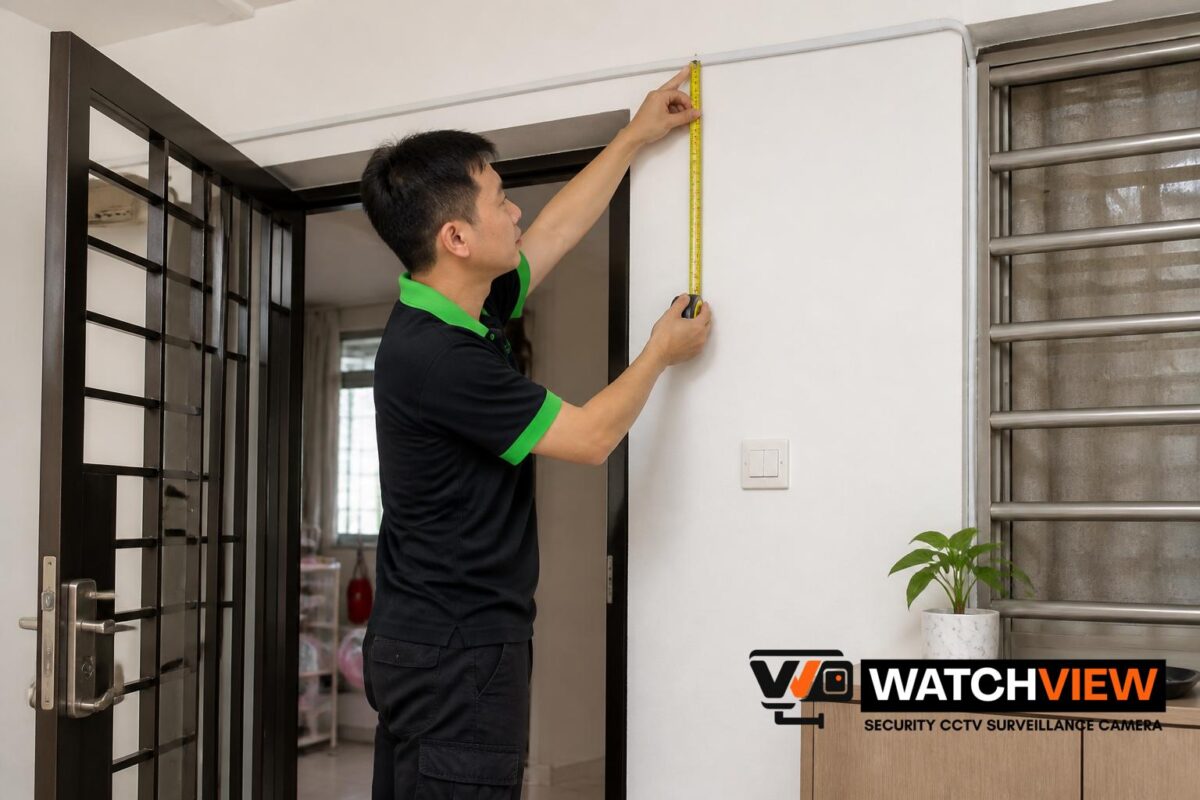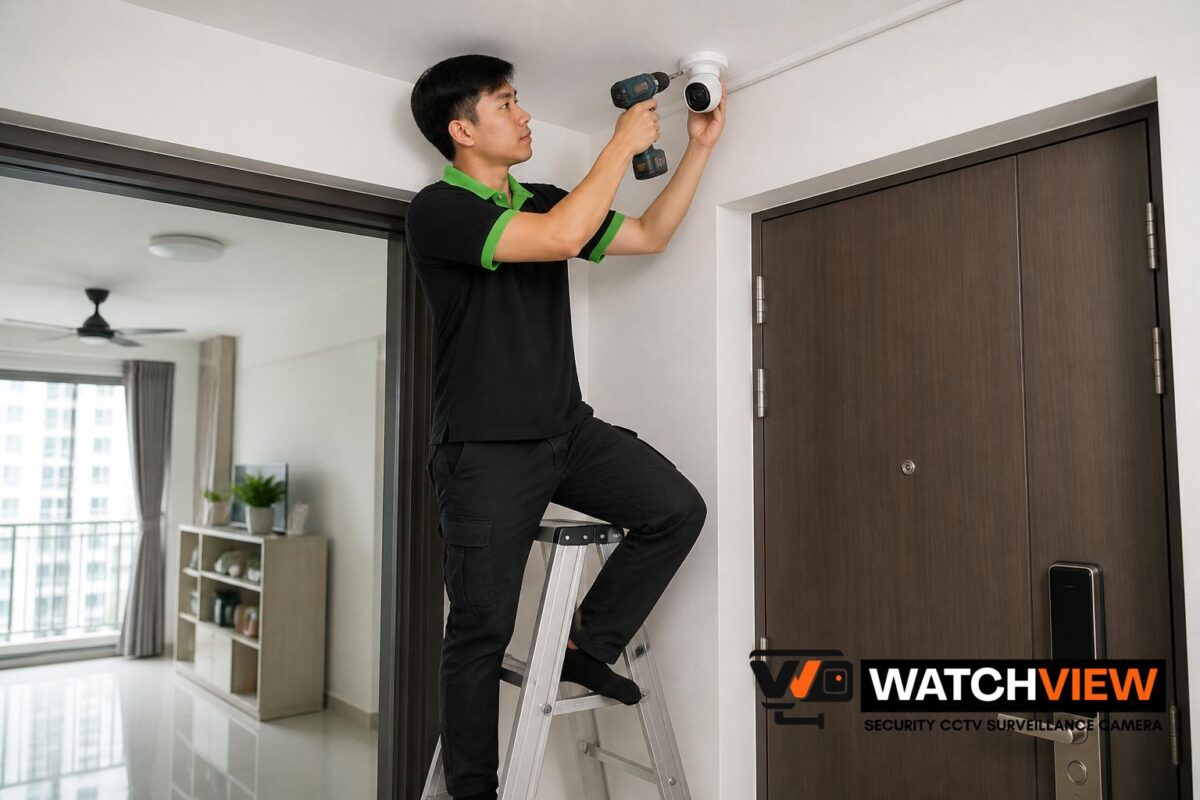

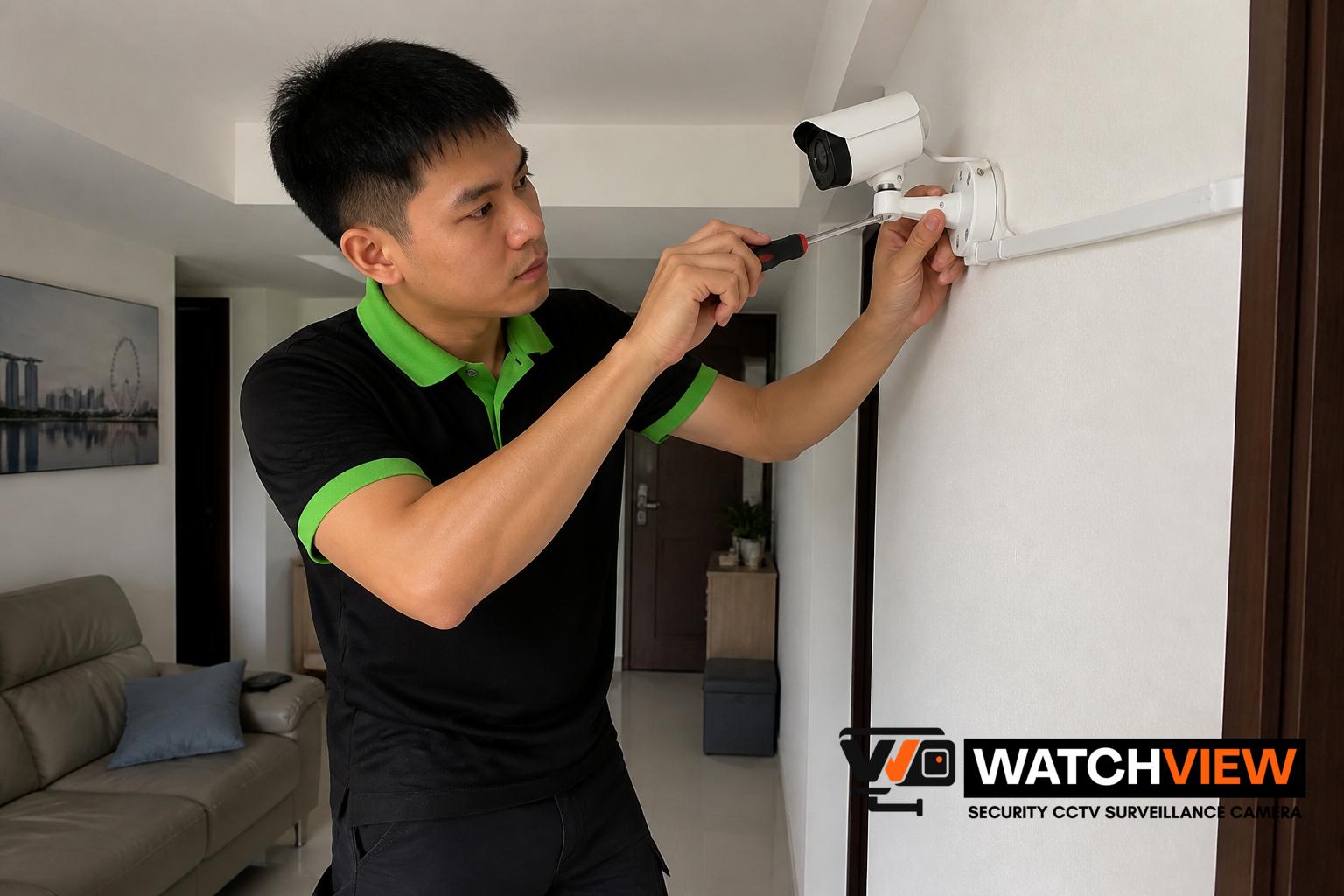
Installing a CCTV camera outside a flat in Singapore can be sensible for monitoring your doorway, corridor approach or unit entrance, but approval is not always straightforward. The answer depends on where the camera is mounted, what it captures, and whether the installation affects common property or other residents’ privacy. For HDB flats and condominiums, the key issue is usually not the camera itself, but the location, angle and cabling involved.
Why approval may be needed for an outdoor CCTV camera
In Singapore, a camera outside your flat may sit on a boundary between private and shared space. If the equipment is installed on your own internal wall and only records within your unit area, the matter is usually simpler. However, once the camera faces corridors, lift lobbies, stairwells, external walls, or other common areas, approval requirements may come into play.
For HDB estates, common corridors are shared areas, so you should be careful about how the camera is positioned. In condominiums, estate rules set by the management corporation may also restrict external mounting, visible wiring, or any fixture that changes the appearance of the façade.
What usually counts as common property
Outside a flat, the camera may be installed near surfaces that are not solely yours. This can include corridor walls, ceiling slabs, external ledges, service risers or common walkway areas. Even if the camera is intended only for your unit, the mounting point itself may still be treated as part of common property.
As a general practical guide, if the camera requires drilling into a shared wall, running cables along common corridors, or placing a device where neighbours can easily be recorded, you should assume some form of approval or consent may be necessary. It is better to clarify this early than to face removal requests later.
HDB flats: what homeowners should check first
For HDB residents, the first step is to understand whether the camera is being fixed within your flat boundary or outside it. A camera mounted inside the unit and looking out through the window is different from one mounted on the corridor-facing wall. The latter may involve common area concerns even if it serves your security needs.
You should also review HDB guidelines and any estate-specific notices before installation. In many cases, the issue is not simply permission to own a CCTV system, but whether the installation changes the external appearance, creates visible cabling in the corridor, or captures public/shared areas without a good reason.
Condominium rules can be stricter than expected
In condominiums, approval often depends on the management corporation’s by-laws and renovation rules. Some estates are more open to discreet security cameras, while others require prior written approval for any external fixture, drilling, or visible conduit. This is especially relevant if the installation affects the façade, common corridor, or lift lobby areas.
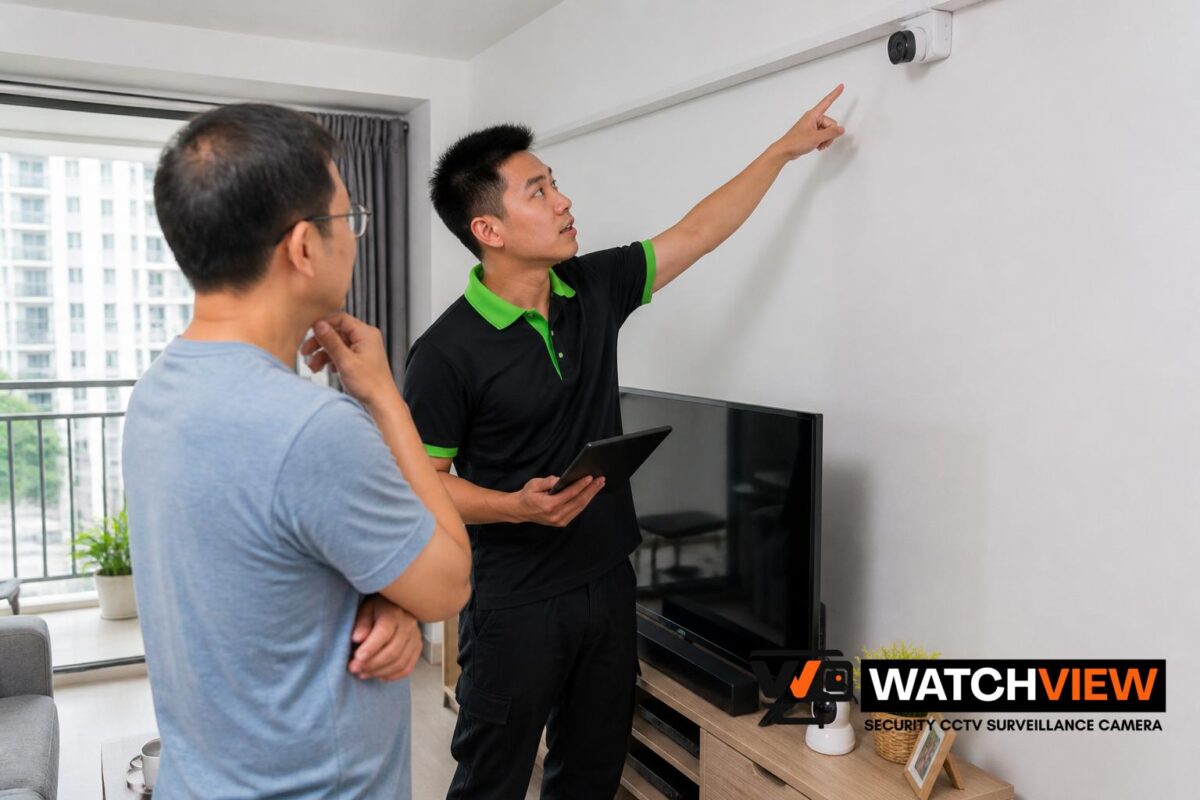
If you live in a condo, it is sensible to ask whether the proposed CCTV position is considered a minor addition or an alteration to common property. Management may also ask for details such as the camera type, mounting method, cable route and whether the installation can be done without damaging shared surfaces.
How privacy concerns affect approval
One of the main reasons approval may be questioned is privacy. A camera that points directly at a neighbour’s doorway, records a shared corridor continuously, or captures visitors in a common passageway can create concern even if your intention is purely security-related.
A better approach is to keep the field of view as narrow and focused as possible. Cameras should ideally cover your own entrance area without unnecessarily recording others. This is not only more considerate, but it also makes it easier to explain the purpose of the installation when permission is requested.
Installation method matters as much as the camera location
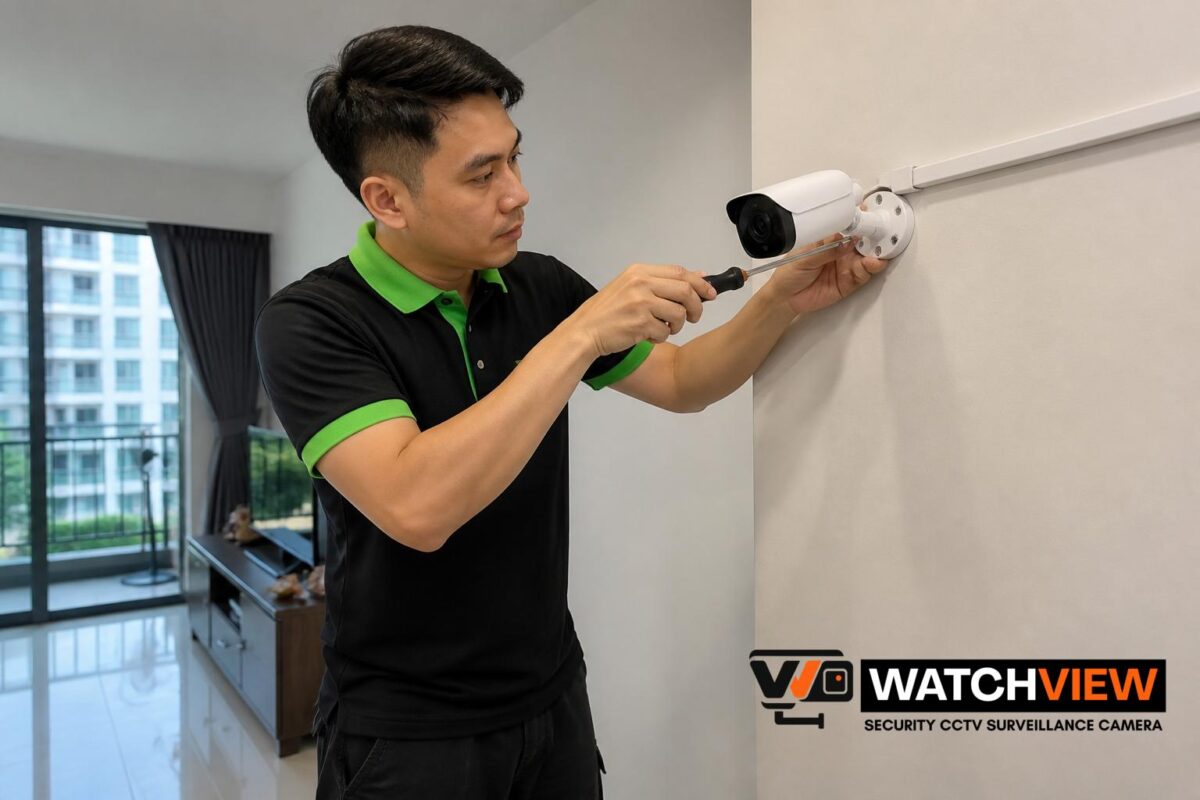
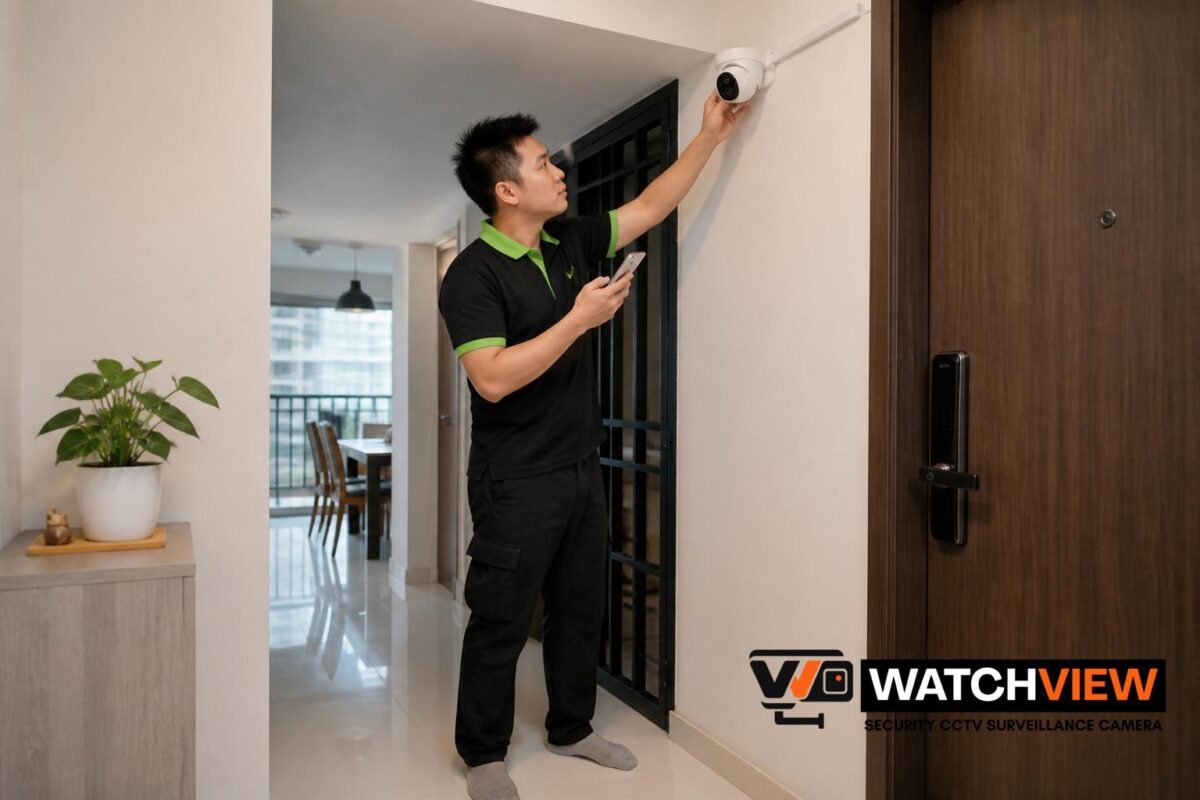
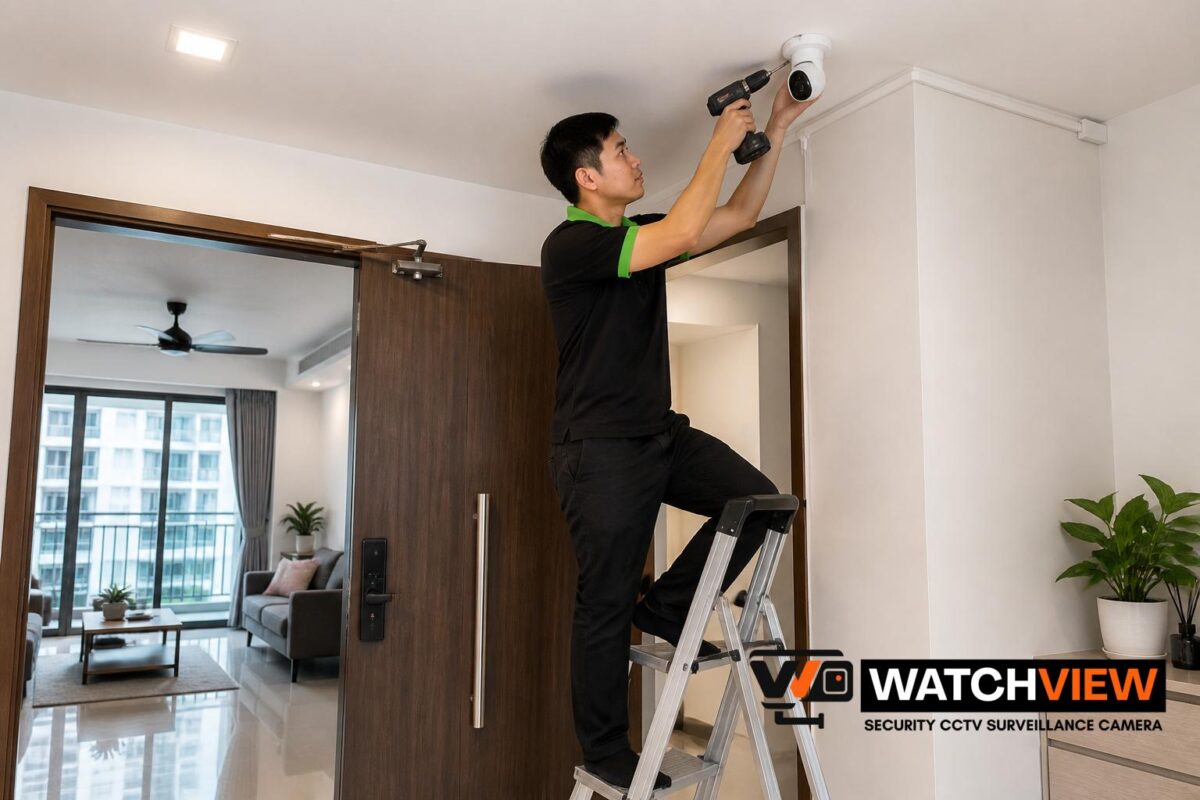
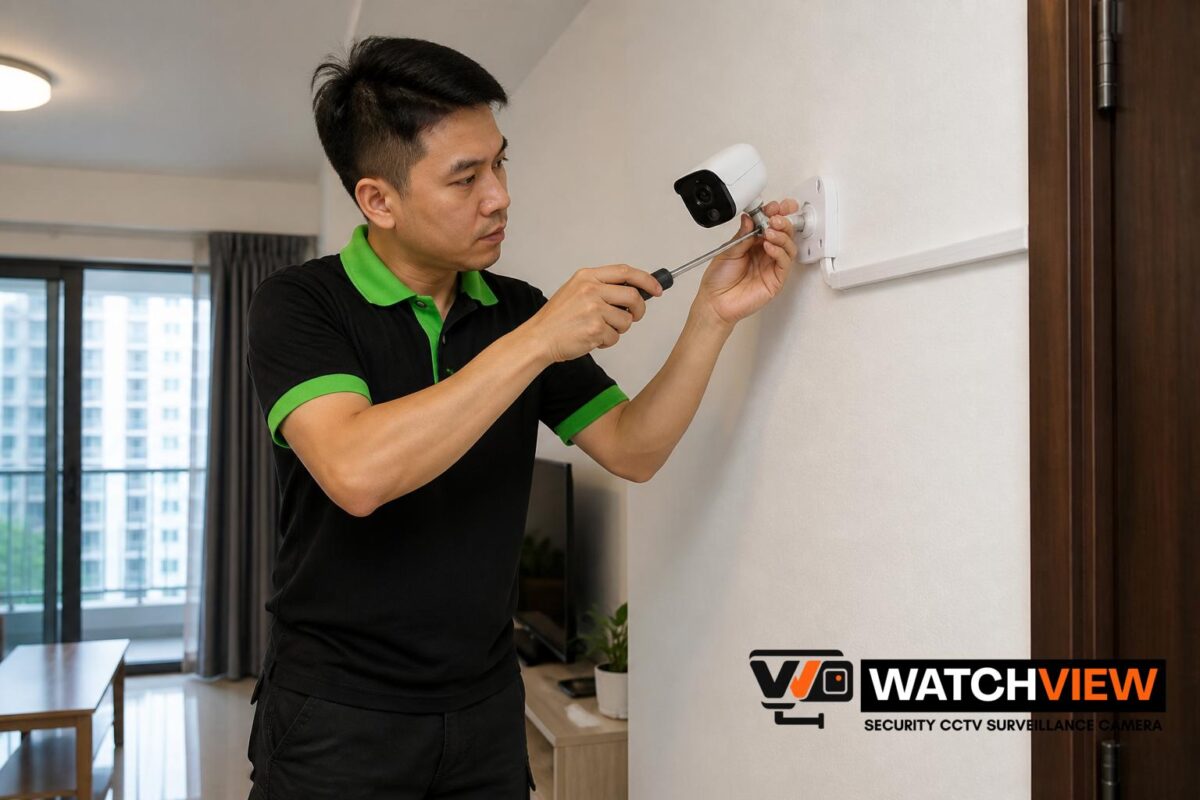
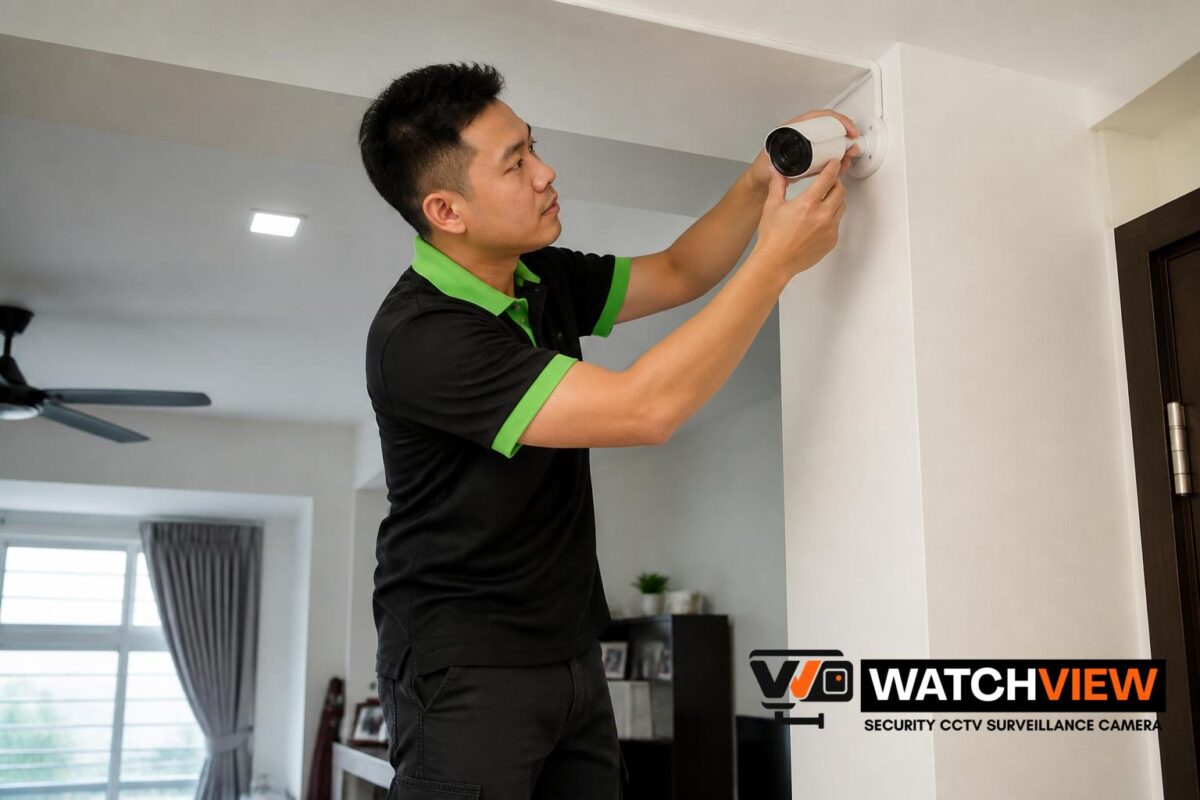
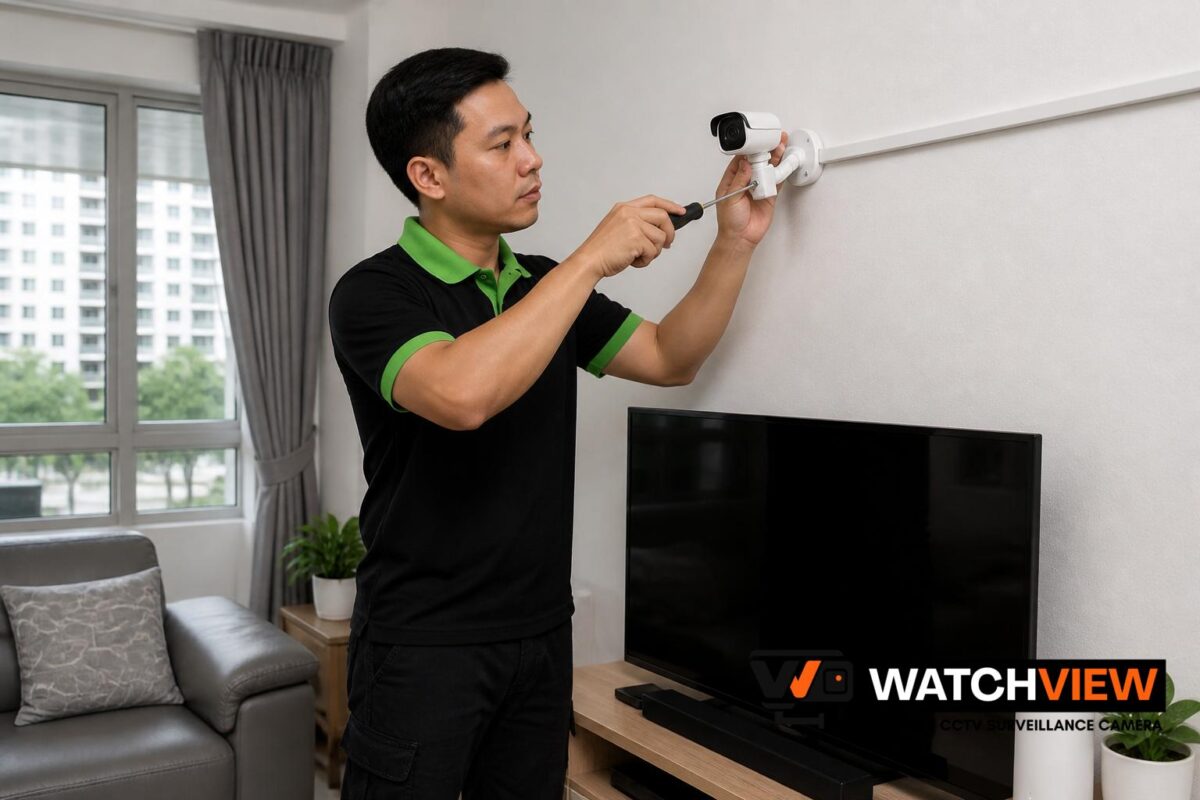
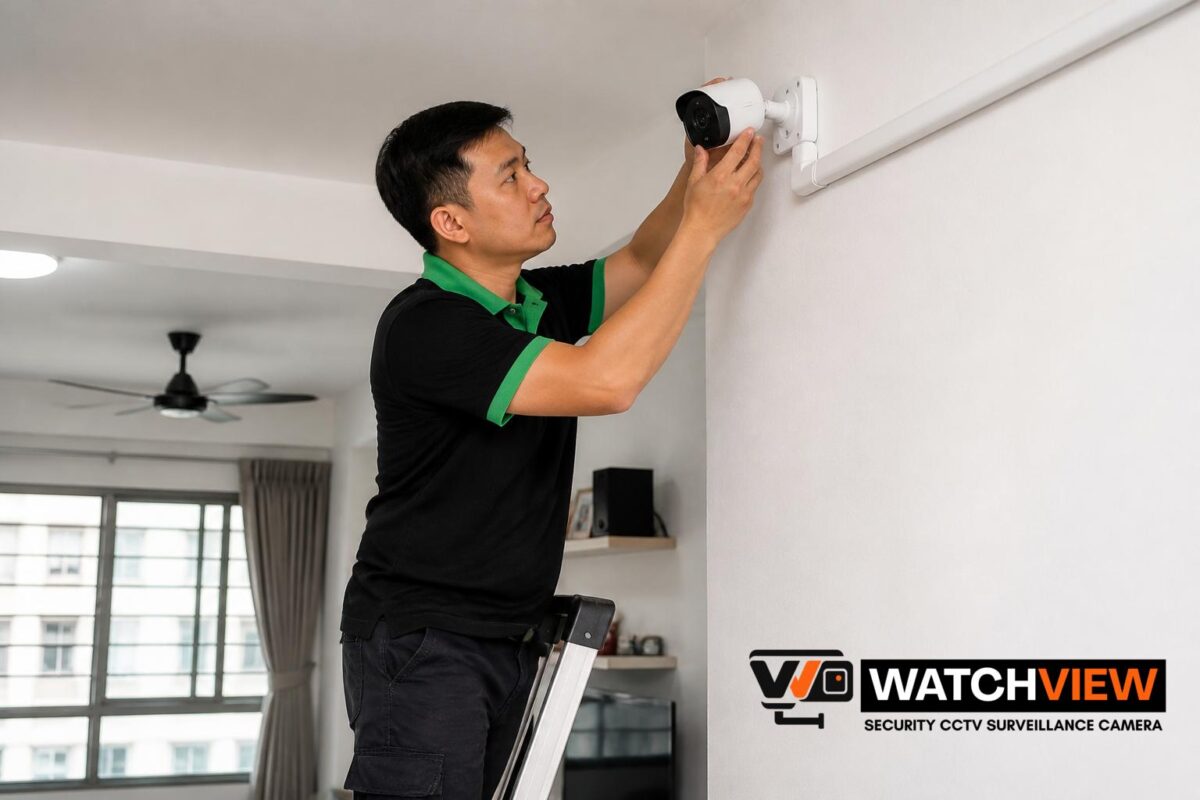
When people ask whether approval is needed, they often focus only on the camera itself. In practice, the installation method is just as important. A neat internal wiring job may be very different from an outdoor setup that requires drilling, conduit, power-point support or cable routing across a shared wall.
For home CCTV in Singapore, a professional installer will usually plan camera placement, mounting points and cable runs carefully to reduce visual clutter. That is especially important for outdoor-facing cameras outside a flat, where poor routing can make the system more noticeable and increase the likelihood of objections.
Practical steps before you install
If you are considering a CCTV camera outside your flat, it helps to work through a few checks first:
- Confirm whether the camera will be mounted on private or common property.
- Check if the camera angle captures only your doorway or a wider shared area.
- Review HDB, condo or MCST rules before drilling or cabling.
- Ask whether any visible conduit or power-point work is allowed.
- Keep records of approval or consent if the installation involves shared areas.
If in doubt, seek clarification before drilling or fixing the camera permanently. Small details at the planning stage can avoid time-consuming removal or rectification later.
If you need help planning a CCTV setup outside your flat, WhatsApp WatchView Security CCTV Surveillance Camera Singapore to discuss your property type, number of cameras, supply-and-install or installation-only scope, camera locations, cabling or power-point needs and preferred schedule for a quotation: message us on WhatsApp.
Conclusion
Whether you need approval to install a CCTV camera outside your flat in Singapore depends mainly on where it is mounted, what it records and whether the work affects common property. For HDB flats and condominiums, external cameras are often manageable, but they should be planned carefully to respect estate rules and nearby privacy.
When the location is uncertain, it is safest to check first, choose a discreet camera angle and keep the installation as neat and non-intrusive as possible. That approach usually makes approval easier and helps the system fit the surroundings more naturally.
Choose WatchView Security CCTV Surveillance Camera Singapore
WatchView Security CCTV Surveillance Camera Singapore helps homeowners set up CCTV, CCTV camera and CCTV surveillance camera solutions for residential monitoring across Singapore. Our services include home CCTV, home security camera, home IP camera and security camera setups for indoor areas as well as suitable sheltered locations outside HDB doors or gates.
Whether you are planning a new camera setup or already have compatible equipment, you can browse our products to explore available options and review our pricing for more information on the installation arrangements offered. Our projects also provide examples of completed residential camera works, while our blogs cover practical topics such as camera selection, positioning, viewing areas and home monitoring considerations.
With a focus on straightforward recommendations, suitable camera coverage and dependable installation, we support homeowners with camera setups suited to their property and monitoring needs. For further assistance, contact us via WhatsApp +65 8241 0032 to enquire about your residential camera requirements.
Frequently Asked Questions
Can I install a CCTV camera outside my HDB flat without approval?
It depends on where the camera is mounted and what it captures. If the camera is fixed on or near common property, or records shared corridors, approval or clarification may be needed. A camera entirely within your flat boundary is usually simpler to justify.
Do I need permission if the camera only faces my own doorway?
Even then, you should check the mounting point and cabling route. If the installation involves drilling into a shared wall or placing visible hardware in a common corridor, permission may still be required despite the narrow viewing angle.
Are condominium approvals different from HDB rules?
Yes. Condominiums are typically governed by MCST or management rules, which can be stricter about external fixtures, visible wiring and façade changes. Always check the estate’s renovation or alteration guidelines before installation.