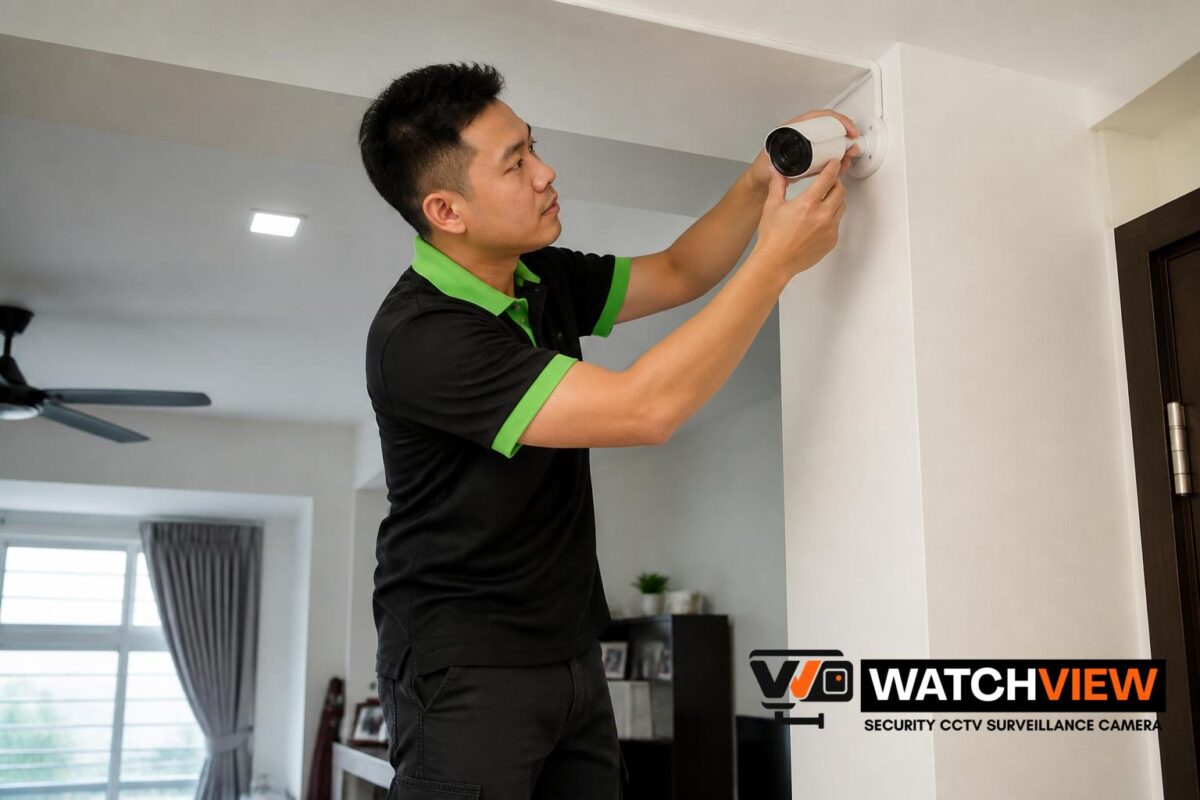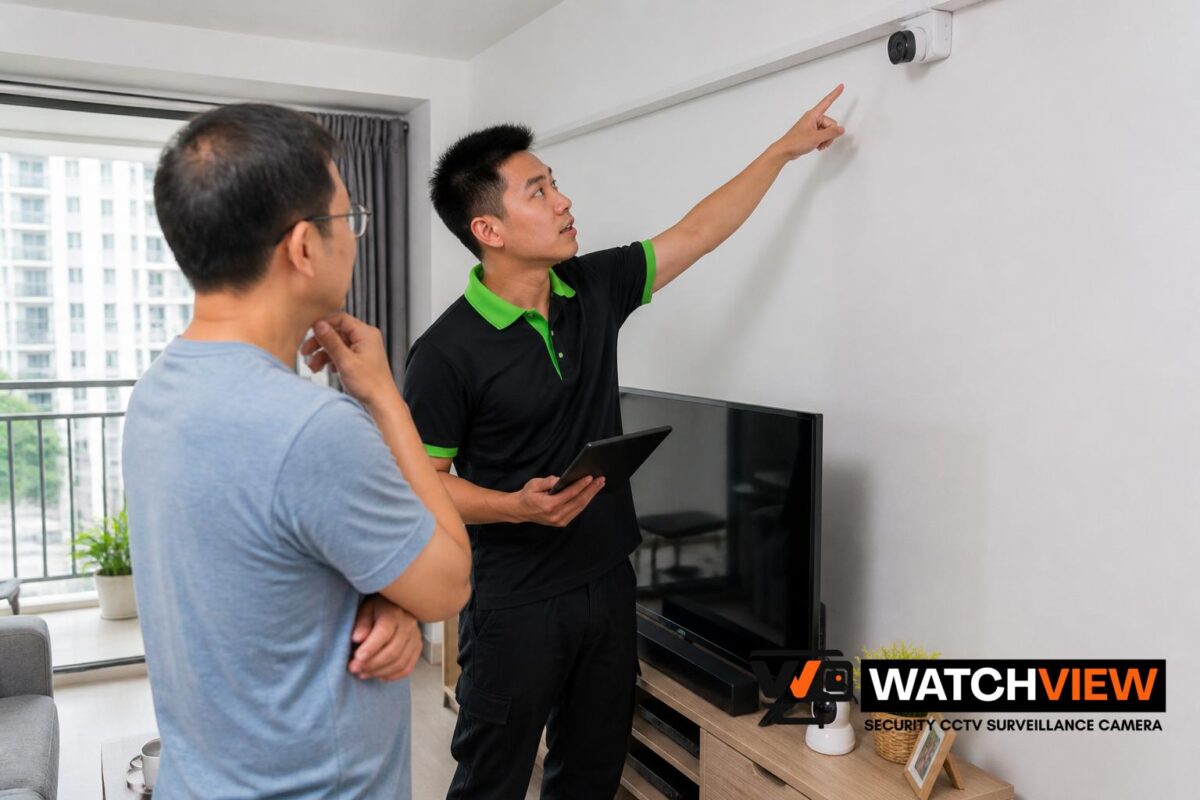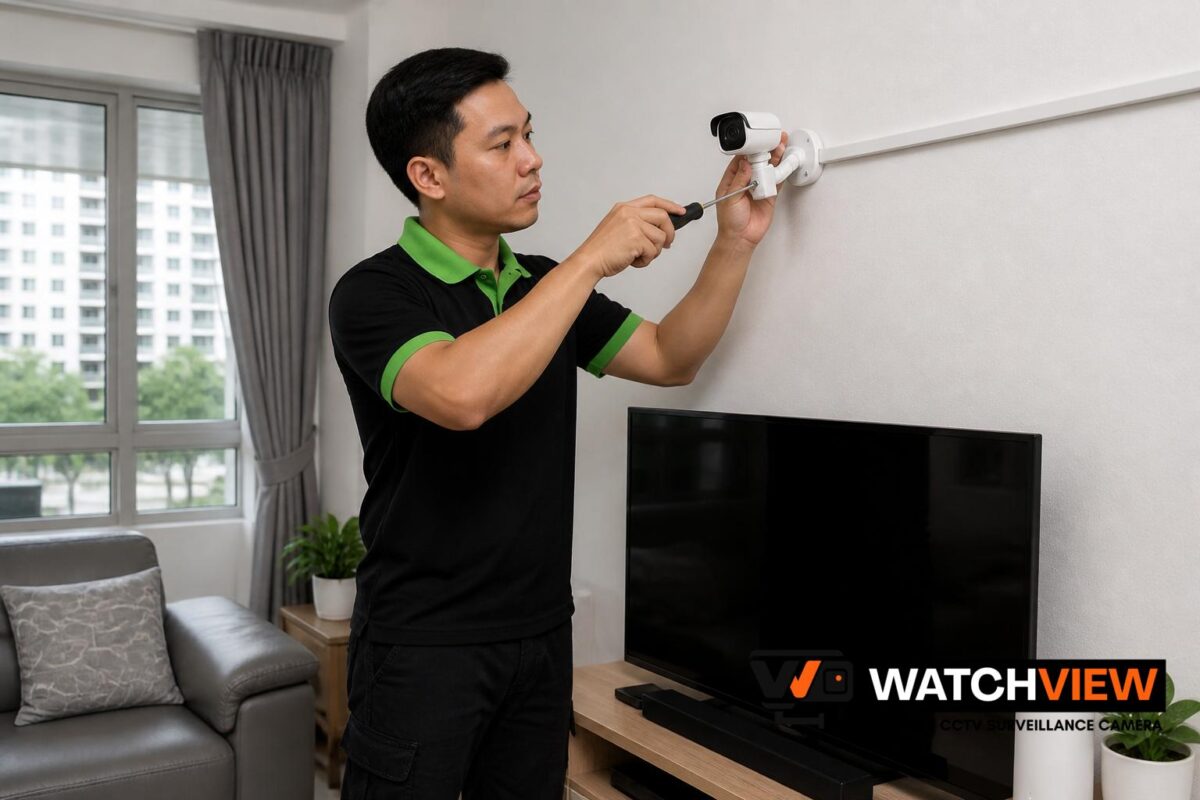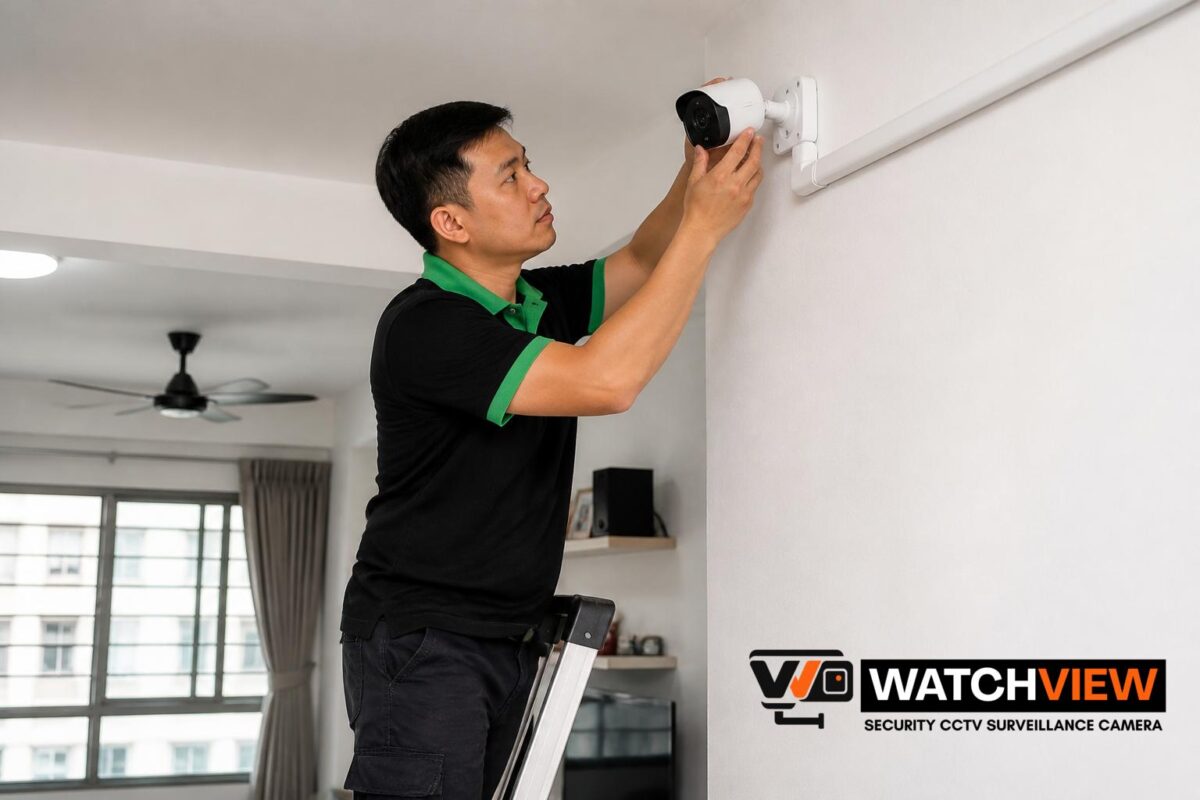

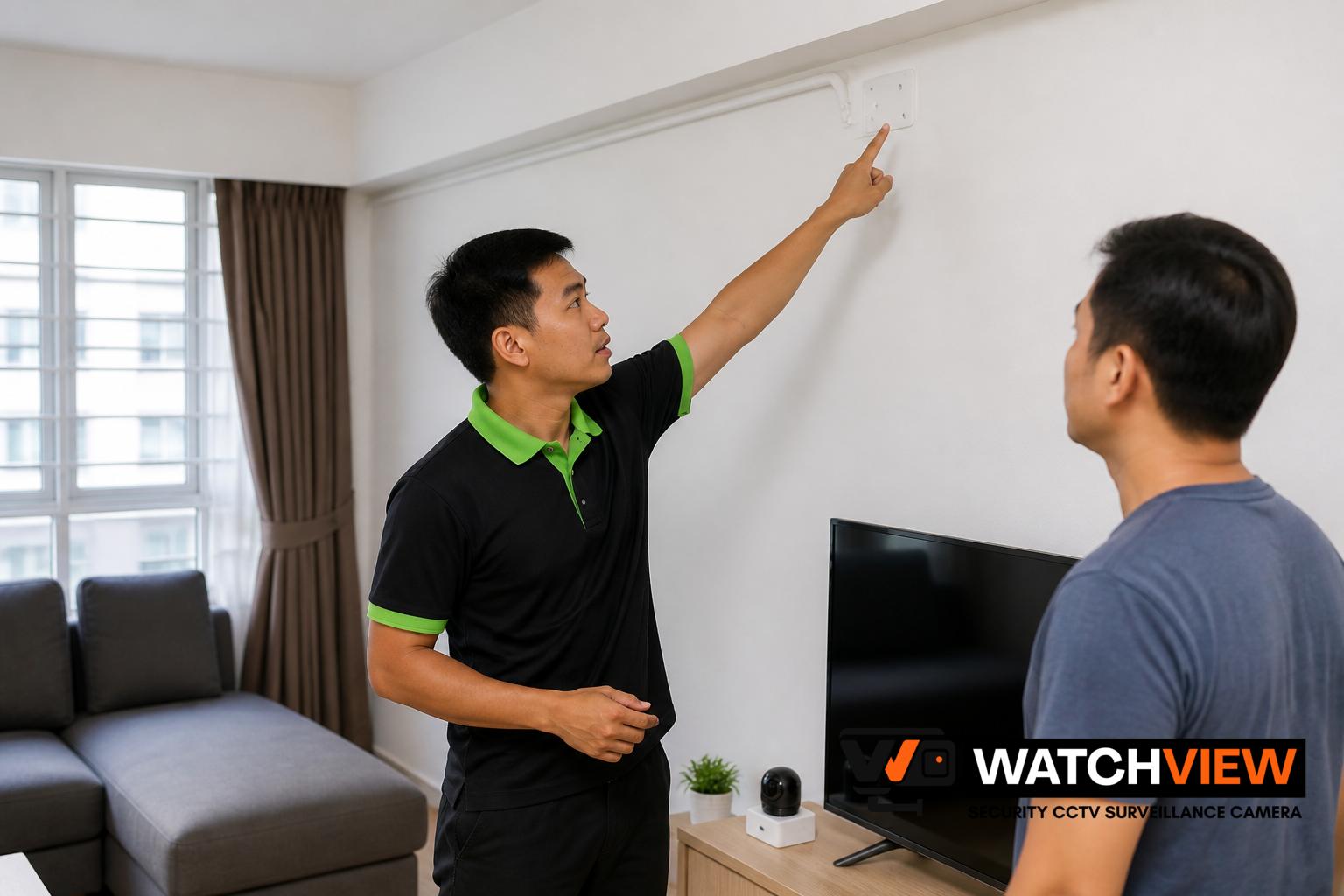
Replacing an existing CCTV camera in a Singapore home is usually a straightforward job, but the process depends on how the original camera was installed, where it is mounted, and whether the new camera uses the same cabling and power arrangement. In many HDB flats, condominiums and landed homes, the replacement can be done cleanly with minimal disruption if the wiring, mounting point and network or power source are still suitable.
What usually happens when a home CCTV camera is replaced
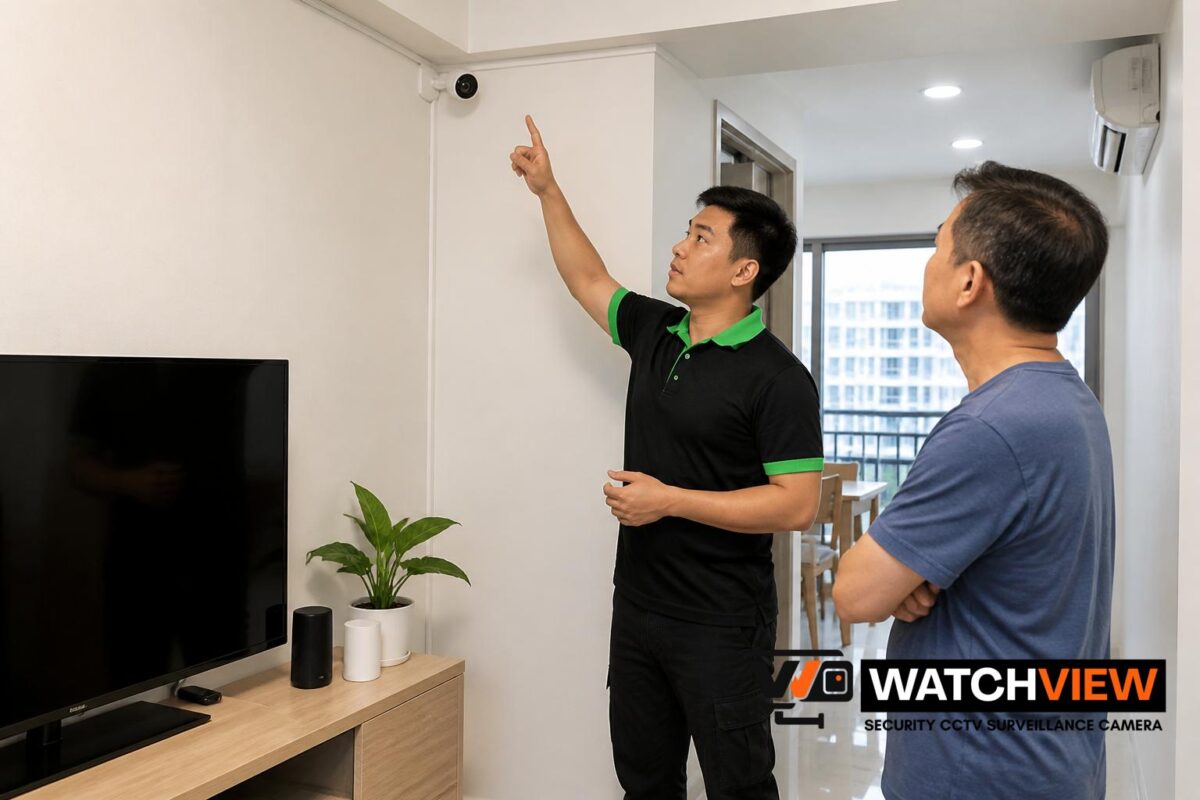
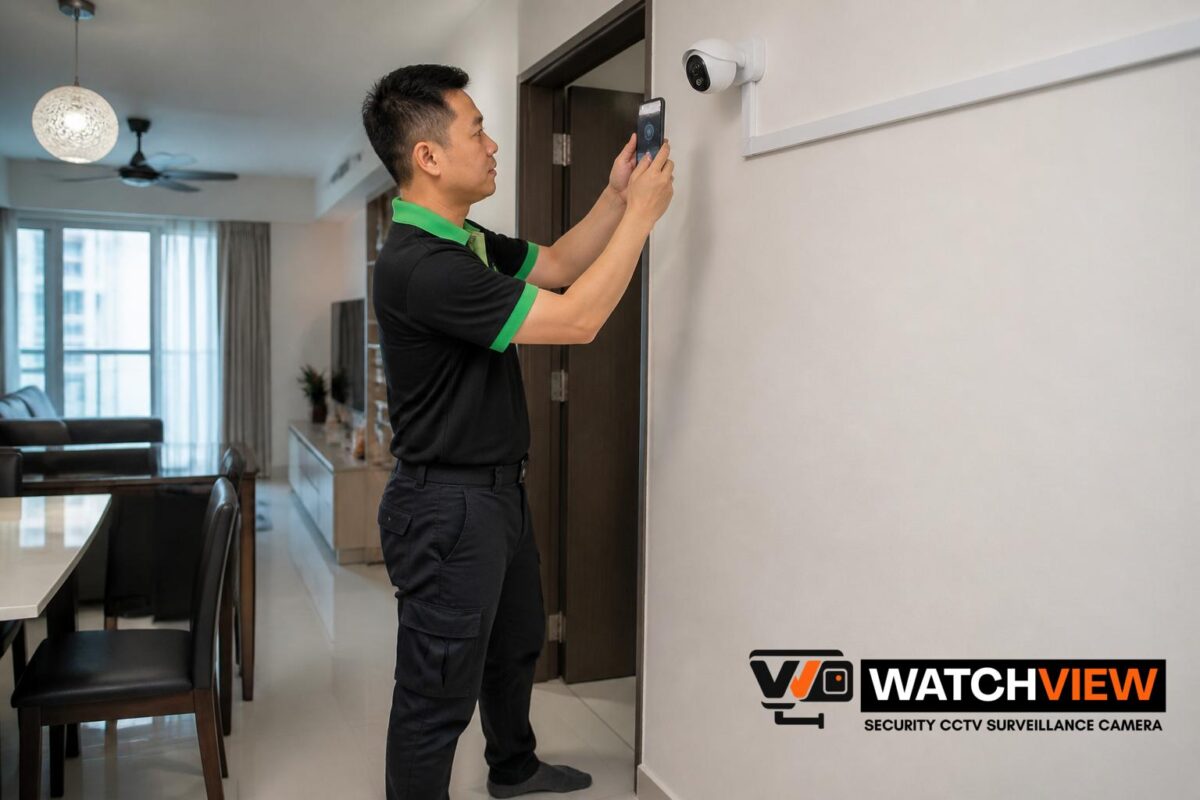
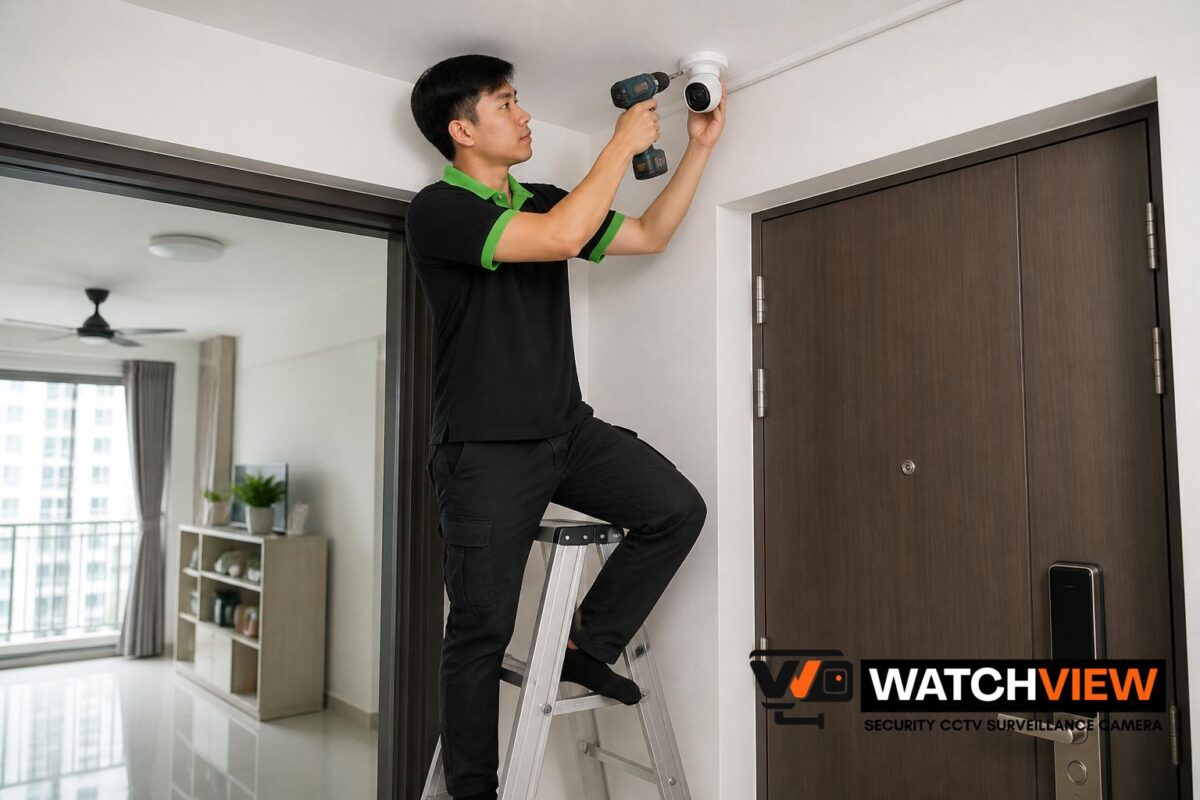
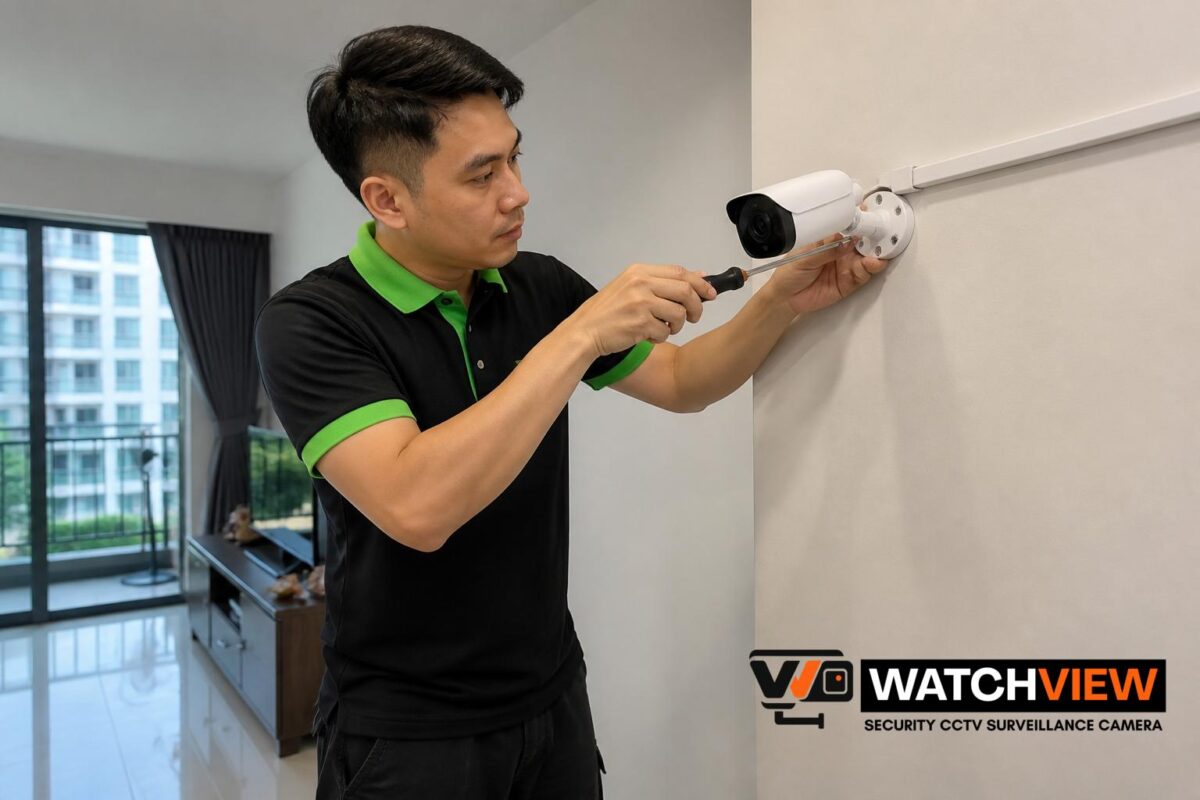
The replacement process normally begins with checking the current camera type, its mounting position and the condition of the existing cables. If the old unit is still wired correctly and the new camera has similar requirements, the job may involve removing the old camera, fixing the new one in the same place, and reconnecting the power and data lines.
If the existing camera has been discontinued or damaged, the installer may need to adjust the bracket, replace connectors, or tidy up the cabling to suit the new model. In some homes, the original camera may have been installed years ago, so a quick inspection helps confirm whether the current setup can be reused safely.
Checking the old camera, bracket and wiring first
Before replacing any CCTV camera, it is important to understand what is already in place. A wall-mounted or ceiling-mounted camera can often be reused only if the bracket, cable length and power source are still in good condition. Loose fixings, water exposure on outdoor points, or damaged cable insulation may need attention before the new camera goes up.
For wired home CCTV systems, the installer will usually check whether the camera is powered through a nearby socket, PoE network line, or a dedicated power point. In Singapore homes, especially HDB flats and condominiums, neat cable routing matters as much as the camera itself, so the replacement should maintain a safe and tidy finish.
When the new camera can use the same mounting point
The easiest replacement happens when the new camera has a similar size, base plate and cable entry as the old one. In that case, the installer may be able to remove the existing unit and fit the replacement without drilling new holes. This is common when homeowners are upgrading to a newer IP camera but keeping the same surveillance area.
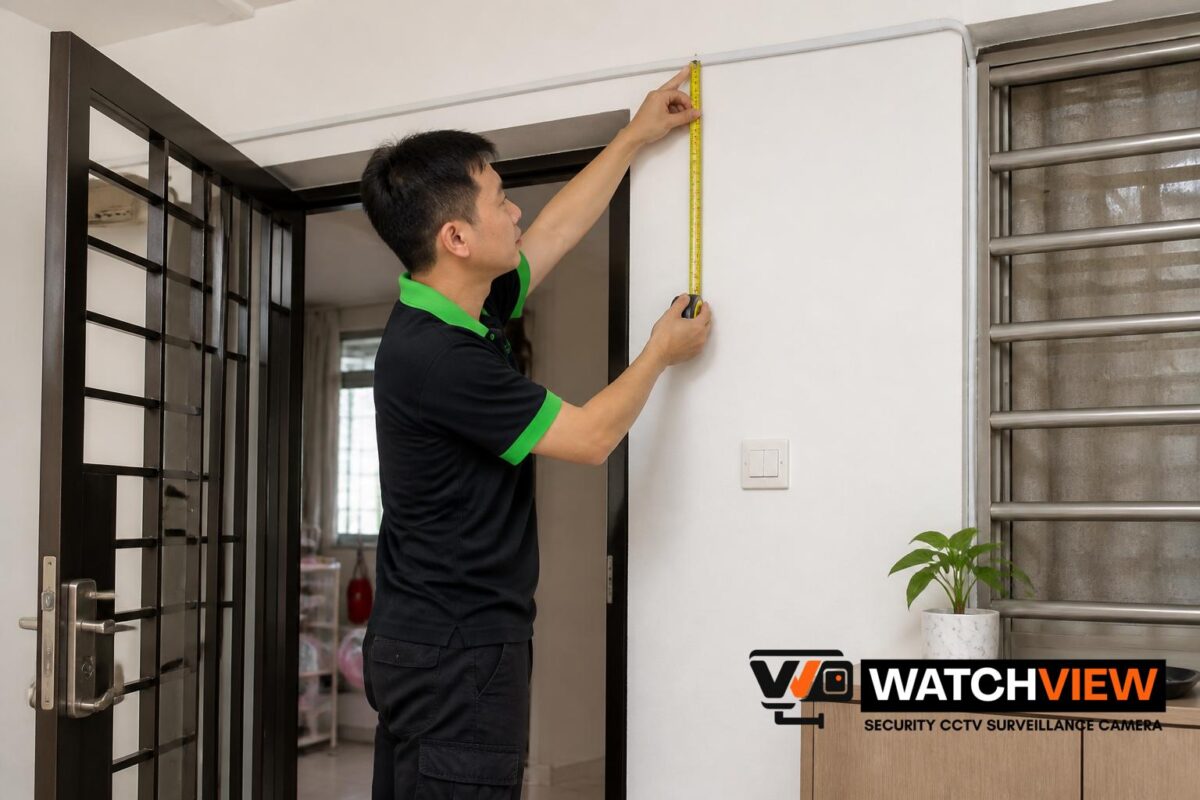
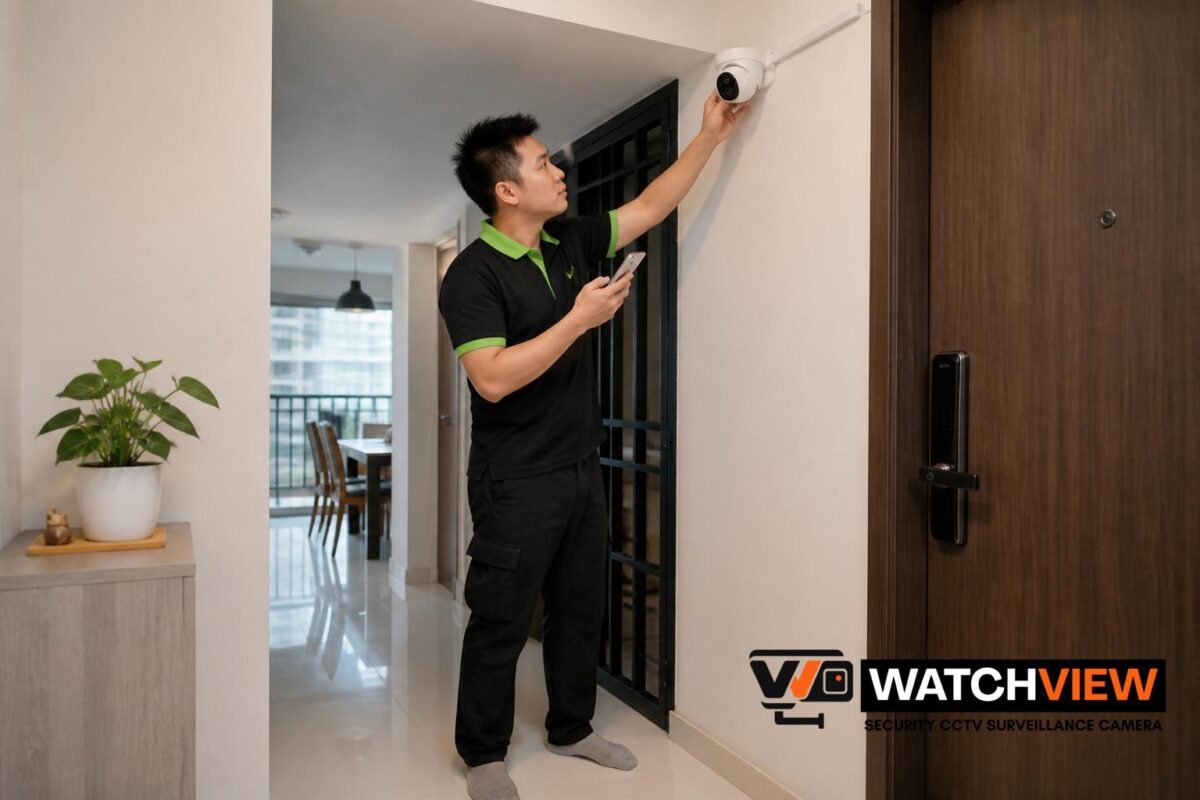
If the camera angle needs to change, the mounting point may still be reused with slight repositioning. For example, a front door camera may need to look a little wider to cover the gate, while a corridor camera may need to be angled to avoid glare from nearby lights. The aim is to maintain practical coverage without creating an awkward or exposed installation.
What happens if the replacement camera is a different model
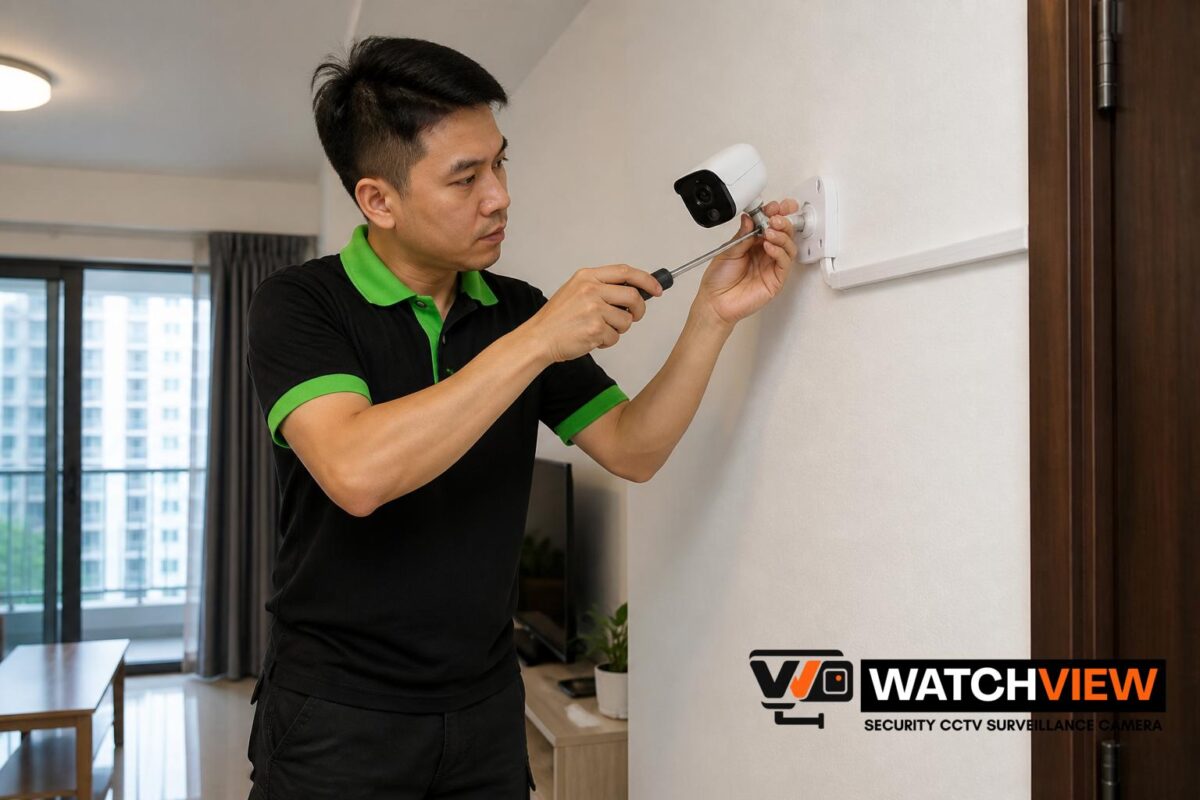
Not all cameras share the same mounting pattern or power needs. A new camera may be larger, heavier, or designed with a different base, which means the original holes may not line up. In such cases, the installer may need to add new fixings, fit an adapter plate, or shift the camera slightly to ensure it is secured properly.
Differences can also appear in the cabling. Some cameras use a simple power cable, while others are part of a structured wired system with network connections. If the homeowner is supplying the camera, it is helpful to confirm the model in advance so the installer can prepare the right brackets, connectors and tools for the replacement.
Common issues found during a CCTV camera replacement
Older home CCTV installations sometimes show signs of wear that only become visible during replacement. These may include brittle cables, corroded outdoor fittings, loose anchors, or patchy sealant around external mounting points. A careful installer will check these details before attaching the new camera.
Another common issue is power accessibility. If the original setup relied on a socket that is no longer convenient, the replacement may need a neater power solution. In Singapore homes, a practical installation should balance coverage, safety and appearance, especially in visible areas such as entrances, balconies and living room corners.
- Damaged or shortened cable ends
- Mounting holes that no longer align
- Outdoor brackets affected by weather
- Power points that are too far from the new position
- Old camera footage equipment that no longer supports the new device properly
Why camera placement should be reviewed during replacement
Replacing a CCTV camera is not just about swapping hardware. It is also a good time to review whether the current placement still suits the home. A camera that was useful before a renovation, furniture change or gate adjustment may no longer provide the best viewing angle.
For HDB flats and condominiums, common replacement points include the main entrance, service yard, balcony and living area. In landed homes, cameras may also cover the porch, side passage or perimeter gate. Rechecking placement during replacement helps avoid blind spots and makes better use of the new camera’s field of view.
How to prepare before the installer arrives
Homeowners can make the replacement smoother by noting where the old camera is located, whether it is still working, and whether the new camera is being supplied by the installer or by the homeowner. It also helps to know if the camera is connected to existing cabling, a recorder, or a network device, as this affects the time and tools needed.
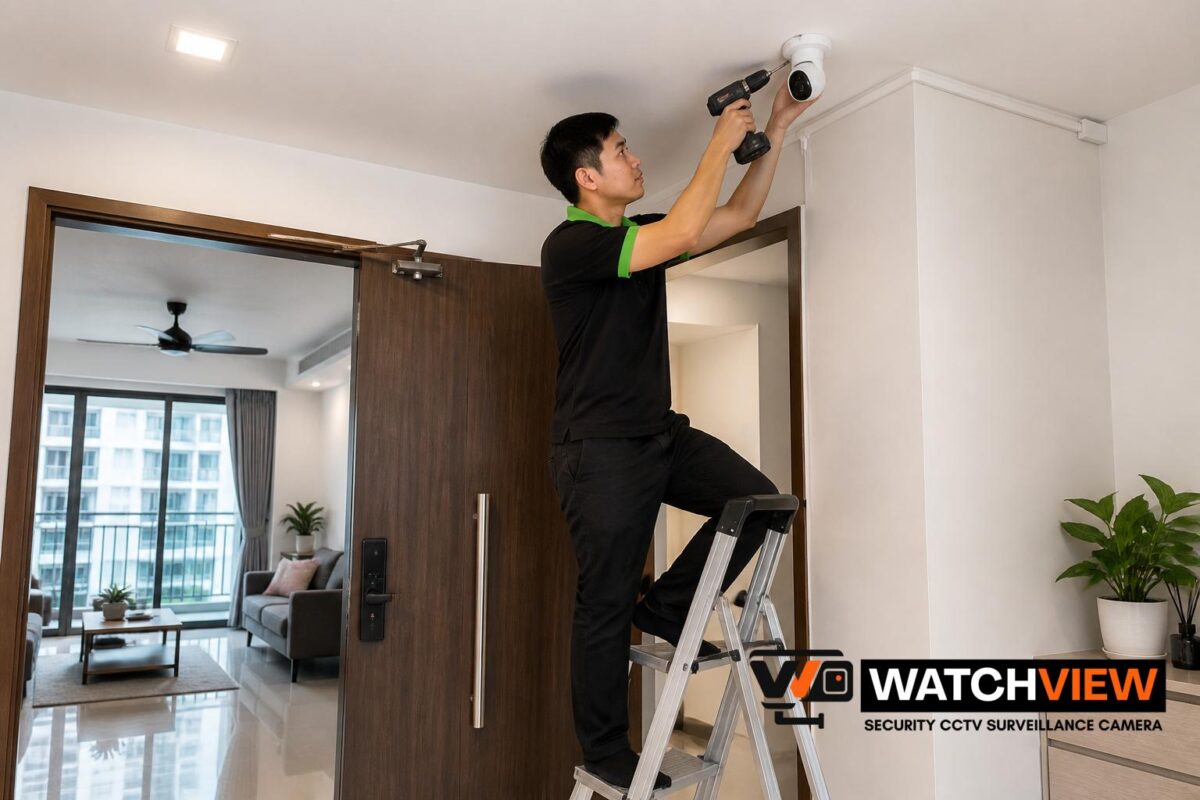
If the camera is installed in a tight or high position, clearing access beforehand is useful. For example, moving furniture away from a corridor wall or ensuring the area below a ceiling mount is unobstructed can help the technician work more safely and efficiently. It is also sensible to confirm preferred timing if the replacement should happen before travel, tenancy handover, or renovation works.
If you need a home CCTV camera replacement, WhatsApp WatchView Security CCTV Surveillance Camera Singapore at this link to discuss your property type, camera locations, supply-and-install or installation-only scope, and any cabling or power-point requirements.
Conclusion
Replacing an existing CCTV camera in a Singapore home is usually most efficient when the installer first reviews the current mounting point, wiring condition and camera model. With the right checks, many replacements can be done neatly without unnecessary drilling or rework, while still improving the camera’s viewing angle and reliability for daily home use.
Choose WatchView Security CCTV Surveillance Camera Singapore
WatchView Security CCTV Surveillance Camera Singapore provides practical residential CCTV solutions for homeowners looking to monitor indoor spaces and sheltered areas around their homes. Explore our services to learn more about CCTV surveillance camera, home CCTV, security camera, home security camera, home IP camera and CCTV camera solutions, including both supply-and-install and installation-only arrangements for compatible cameras.
Homeowners can also view our products to explore suitable camera options and refer to our pricing for more information on available installation arrangements. For examples of completed residential setups, visit our projects, while our blogs provide practical information on camera placement, home monitoring, CCTV systems and other considerations when planning CCTV security cameras for home use.
Serving households across Singapore, WatchView Security CCTV Surveillance Camera Singapore focuses on suitable camera coverage, dependable workmanship and straightforward recommendations based on each home’s requirements. Contact us for further enquiries via WhatsApp at +65 8241 0032 to enquire about your home CCTV and security surveillance camera requirements.
Frequently Asked Questions
Can an old CCTV camera be replaced without changing the wiring?
Sometimes, yes. If the existing cable, power source and mounting position are still suitable, the new camera may be installed using the same setup. The installer will still need to check compatibility and the condition of the old wiring before proceeding.
Do I need to buy the new camera before replacement?
Not always. Some homeowners prefer a supply-and-install service, while others already have a camera and only need installation support. It is best to confirm the model first, as this affects mounting, connectors and any additional cabling or power work.
How long does a typical home CCTV camera replacement take?
The time varies depending on access, wiring condition and whether the new camera fits the existing bracket. A simple like-for-like replacement is usually faster than a job that needs new holes, cable rerouting or power-point adjustments.