
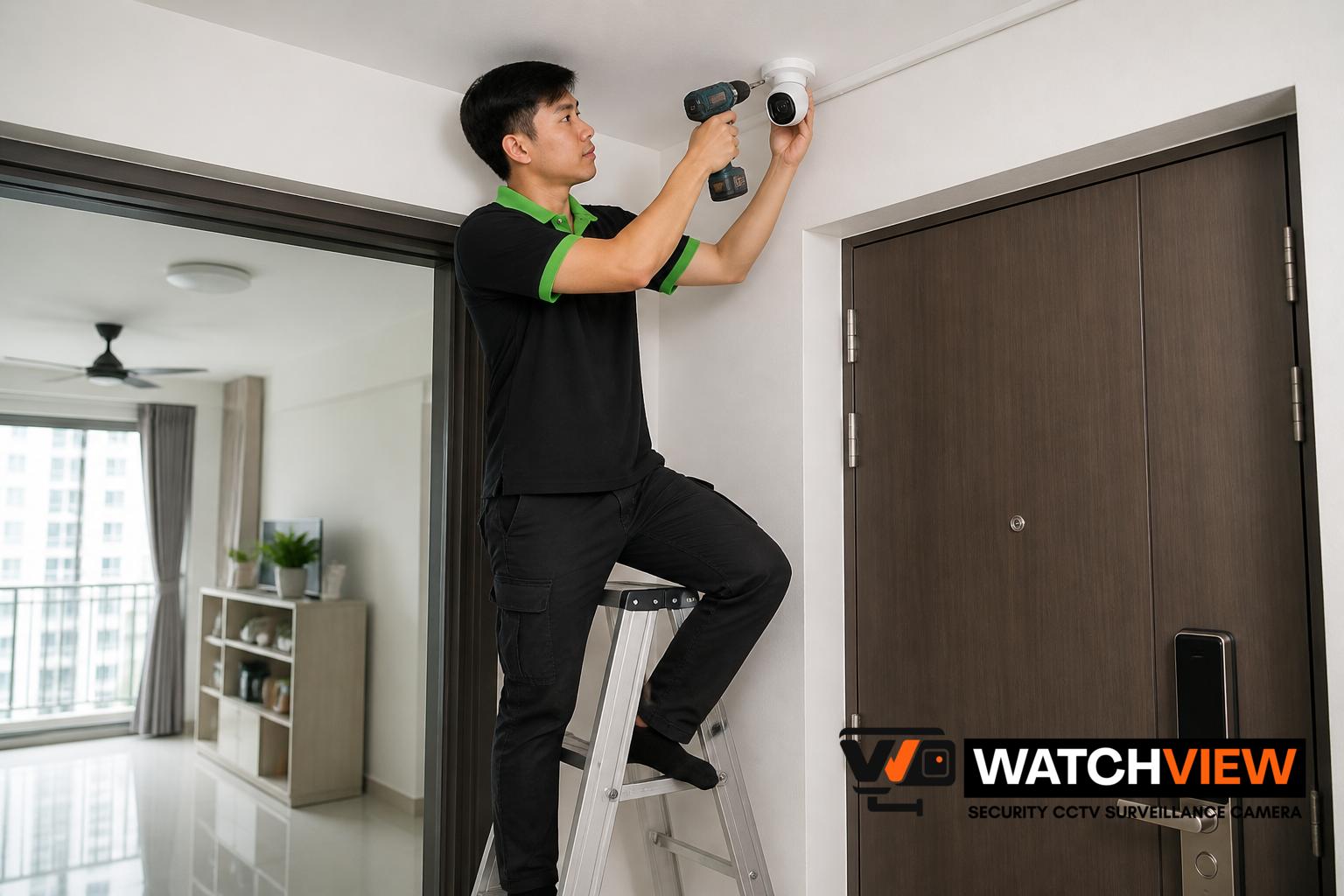
Routine CCTV servicing helps Singapore homeowners keep their security system dependable, tidy and properly adjusted for everyday use. For HDB flats, condominiums and landed homes, regular maintenance is less about replacing the whole system and more about checking that each camera still records clearly, powers on correctly and continues to cover the intended areas. Over time, dust, heat, weather exposure and accidental movement can all affect performance, especially for outdoor units and wired installations.
What routine CCTV servicing is meant to check
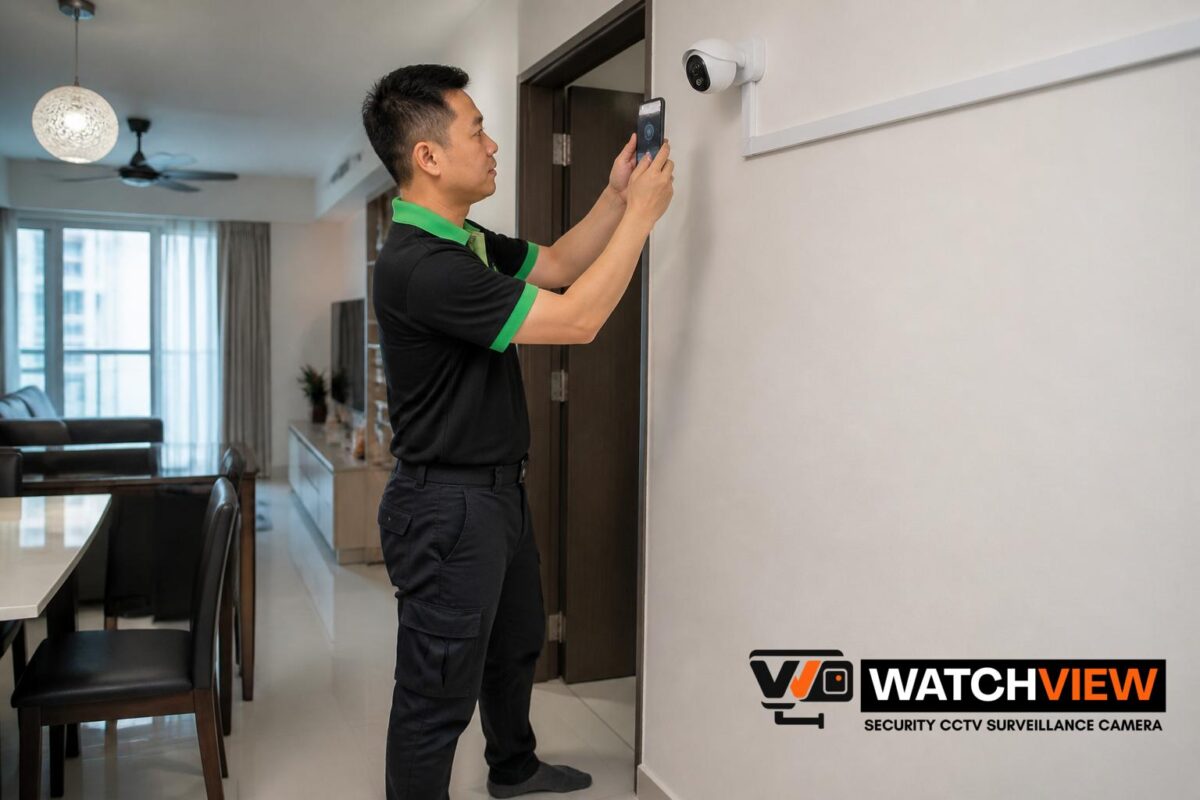
Routine servicing is a practical health check for the system. It usually begins with confirming that each camera powers up, the recorder is functioning, and live view and playback are available. The technician will look for obvious issues such as blurred images, missing footage, time and date errors, loose fittings or warning messages from the recorder.
For Singapore homes, this service is also about making sure the installation still suits the property. A camera that was once well positioned may no longer capture a doorway properly after furniture changes, renovations or minor shifts in mounting. Servicing helps identify these issues before they become inconvenient.
Camera cleaning and lens condition
One of the most common parts of servicing is cleaning the camera housing and lens. Dust, rain marks, insect residue and general grime can reduce image clarity, particularly for outdoor cameras at gates, balconies, yards or entrance points. A careful clean restores visibility without disturbing the camera’s position.
The technician may also check for scratches, condensation inside the housing, or signs that the weather seal is no longer effective. For outdoor CCTV in Singapore’s humid climate, this matters because moisture or residue can gradually reduce picture quality even when the system still appears to be working.
Mounting, alignment and coverage review
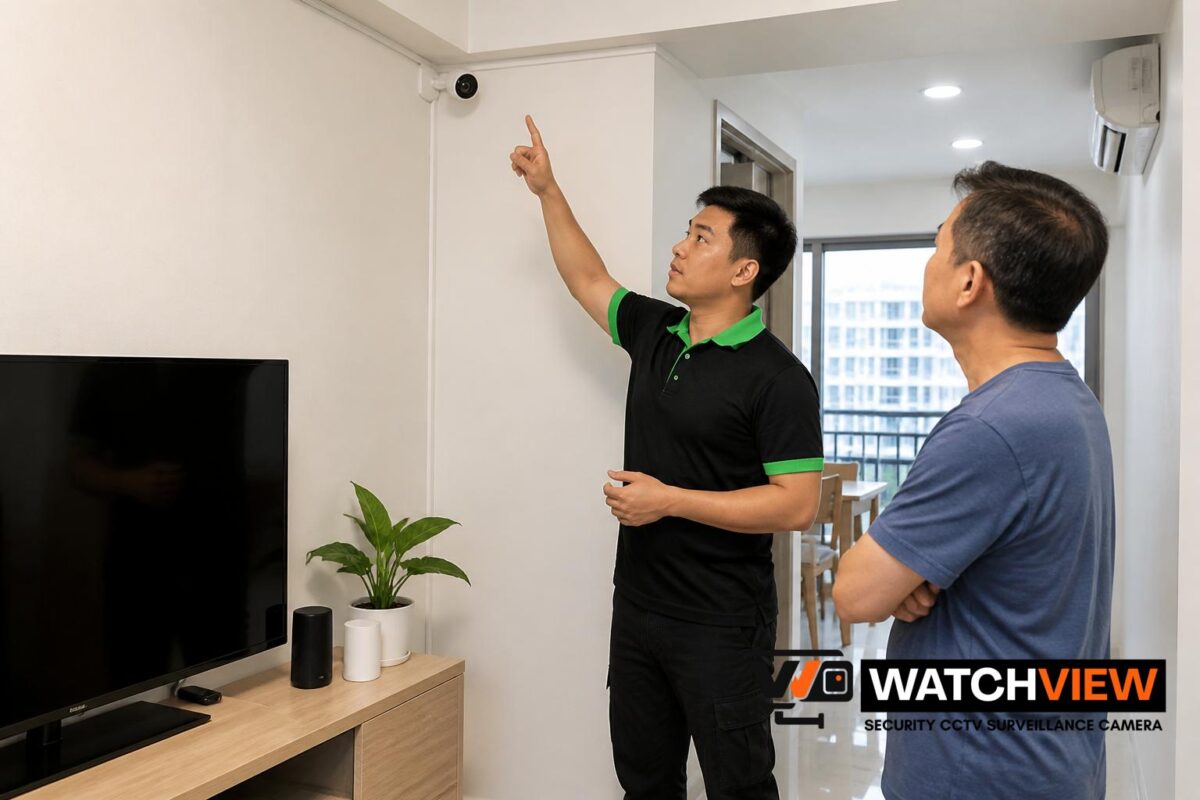
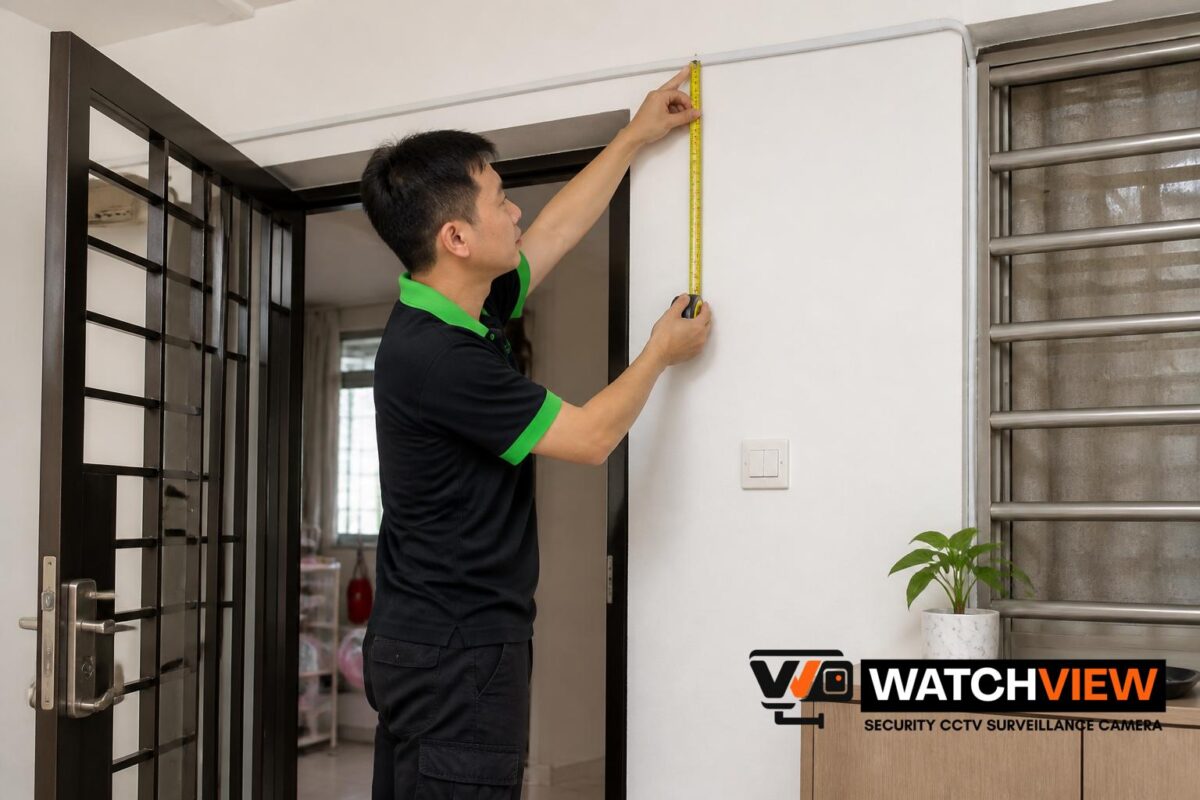
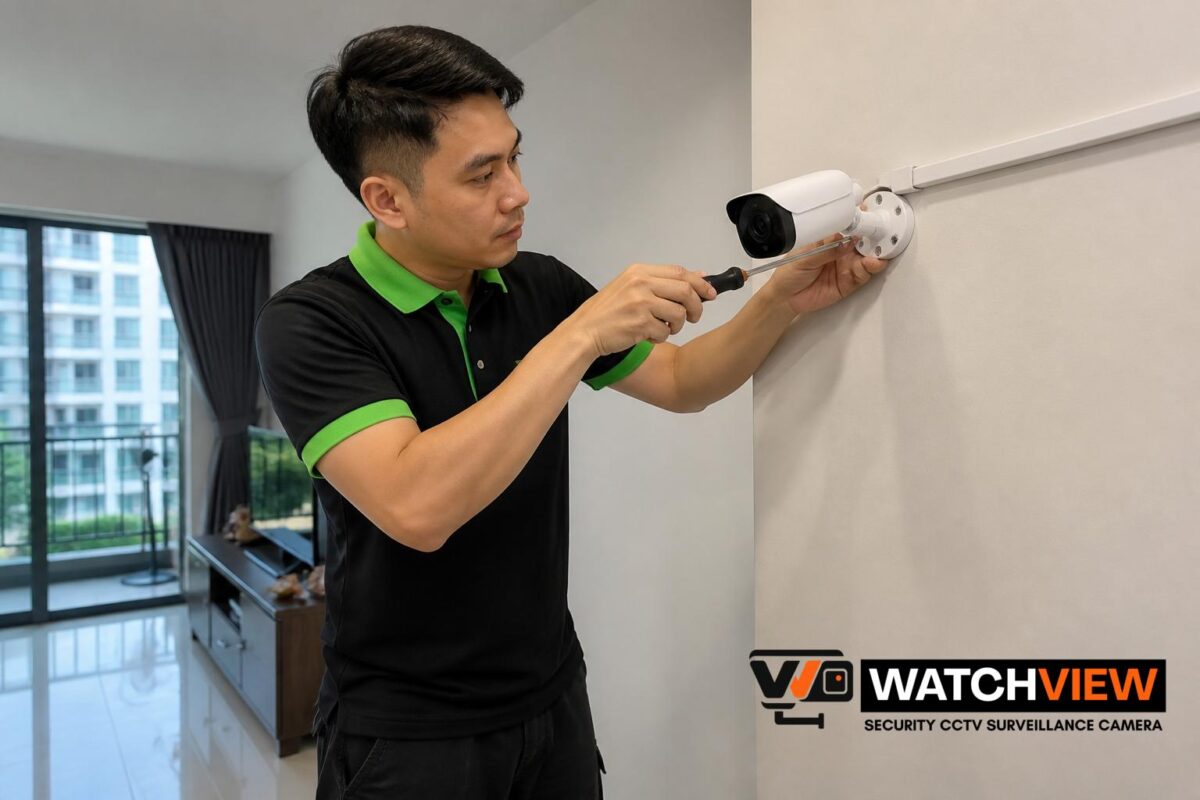
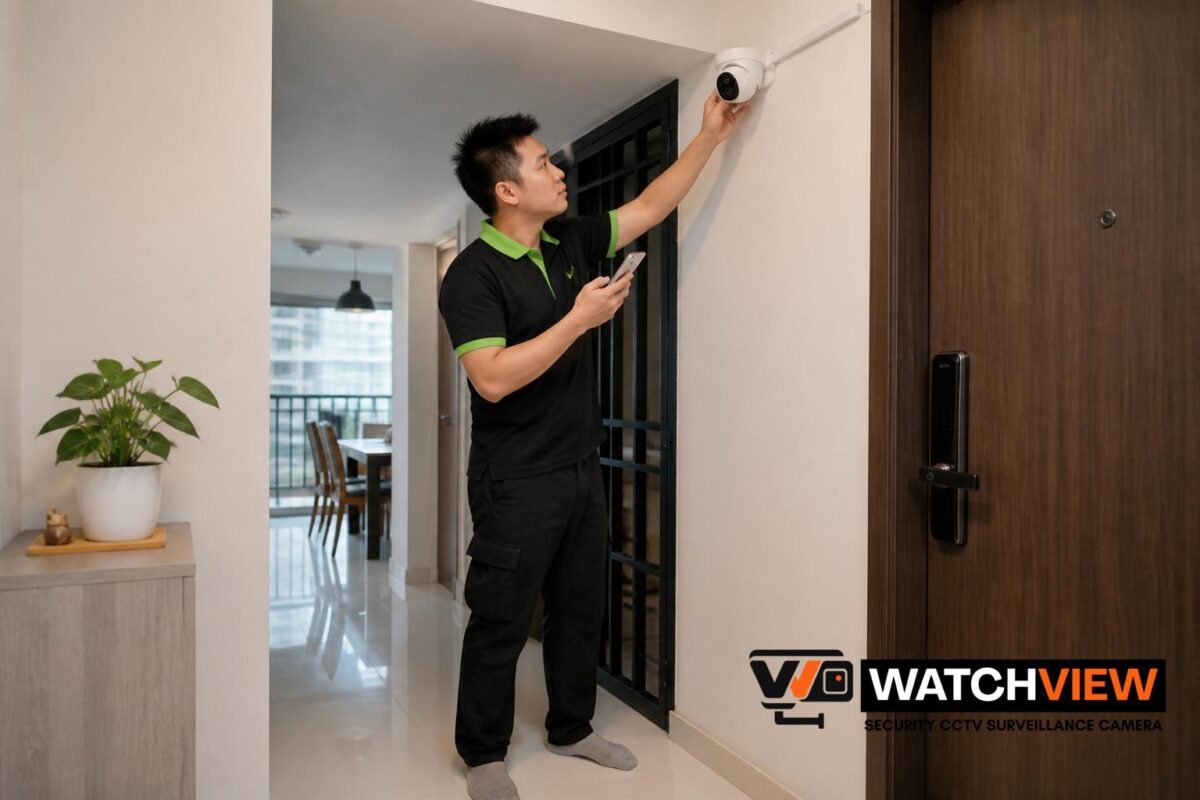
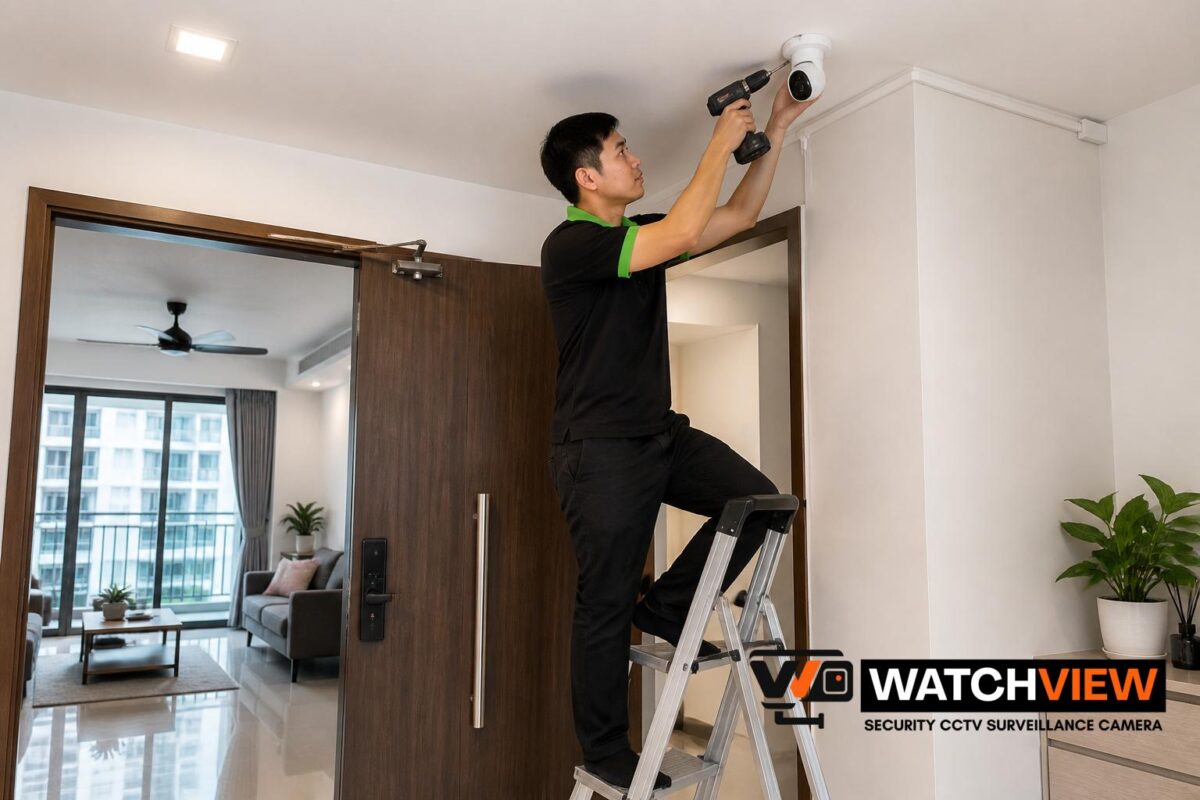
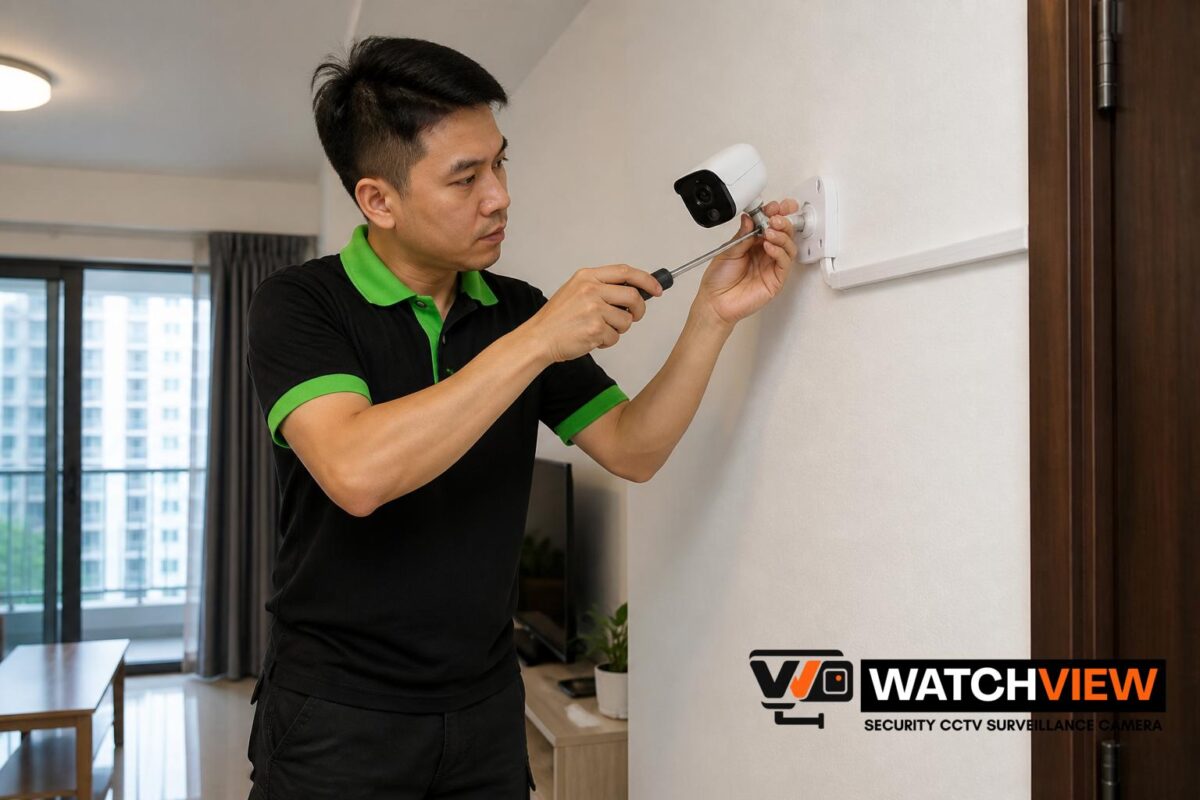
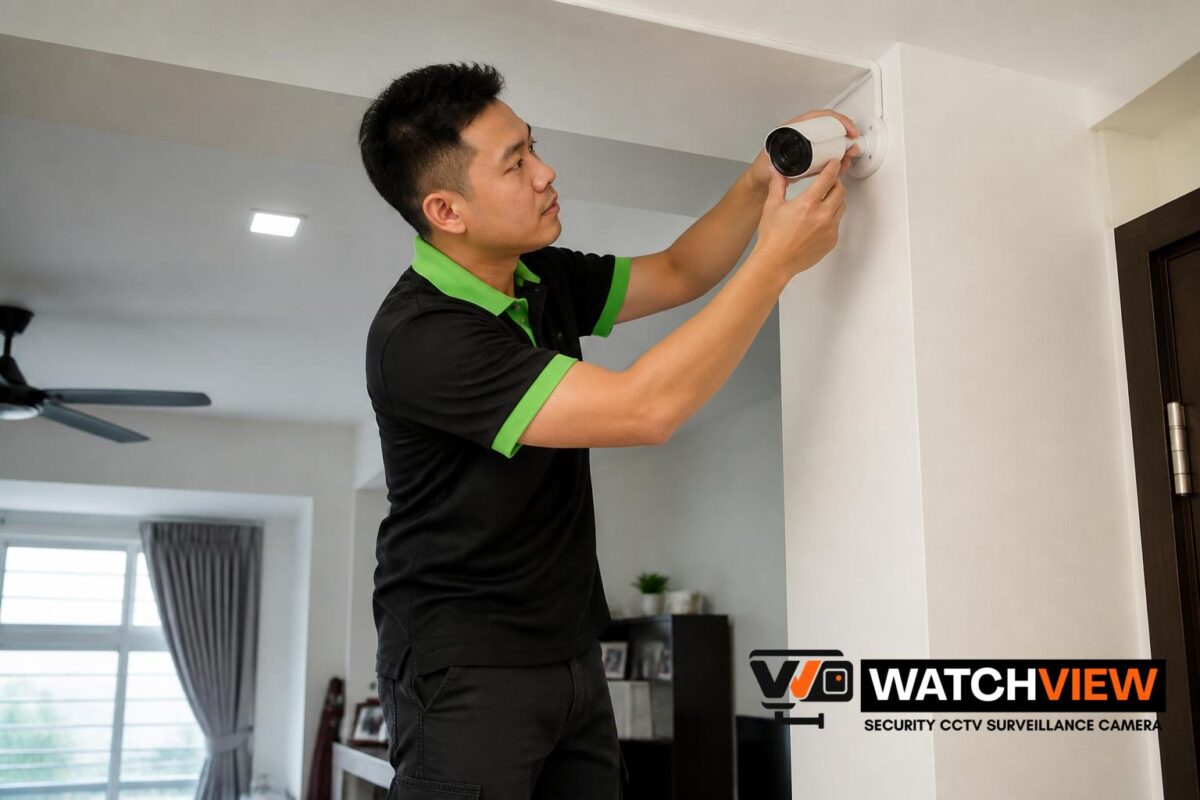
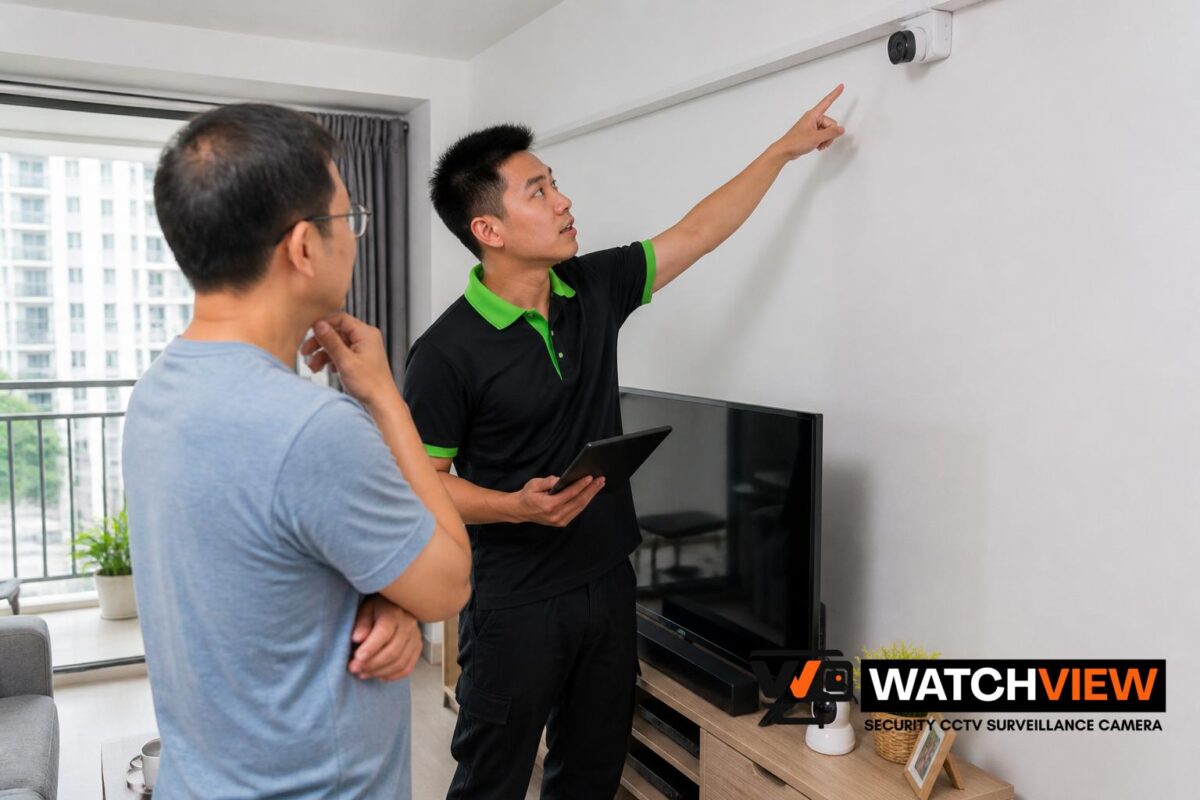
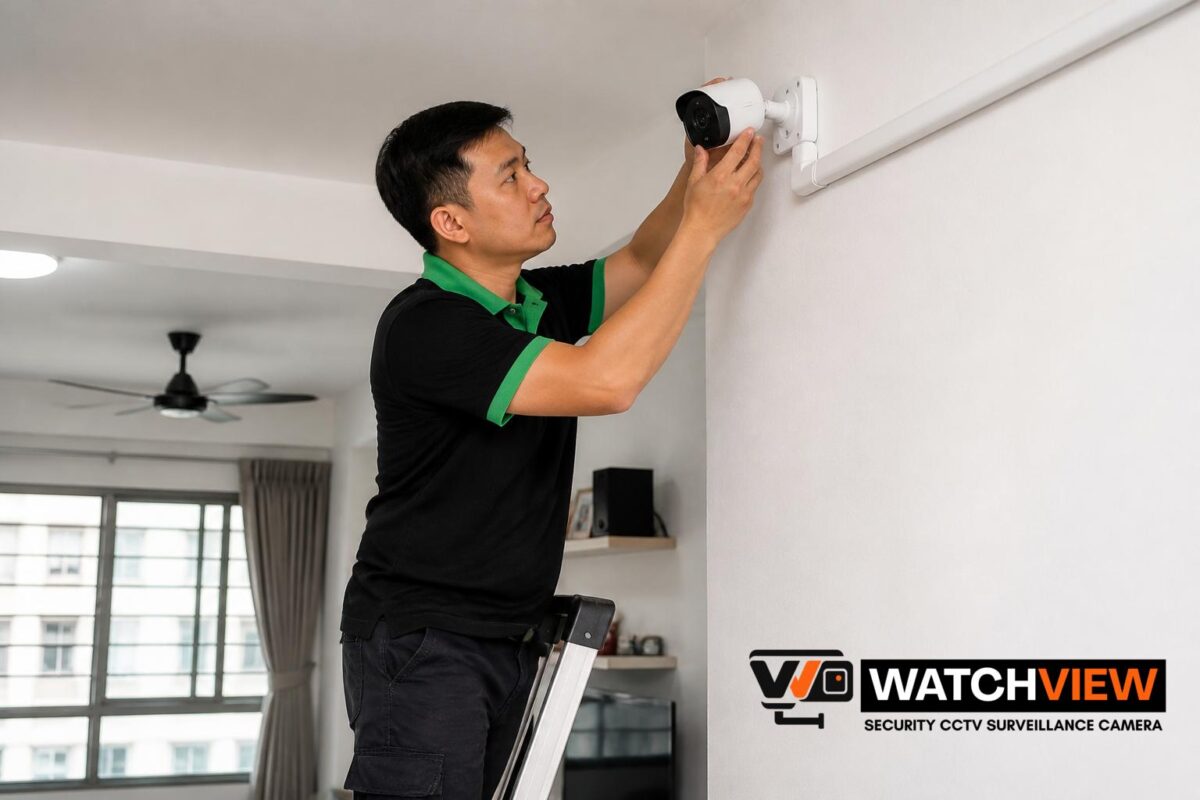
Camera servicing is not only about what the camera sees today, but whether it is still aimed correctly. A slight tilt in a ceiling mount or a loosened wall bracket can change the coverage area more than many homeowners expect. During servicing, the alignment is reviewed so important areas such as the front door, gate, service yard or driveway remain within frame.
This review is especially useful after renovations, repainting or minor household changes. Even a moved shelf, new partition or added outdoor fixture can create blind spots. A proper check helps ensure the existing CCTV installation continues to support the intended viewing angle and coverage.
Cabling, power supply and physical connections
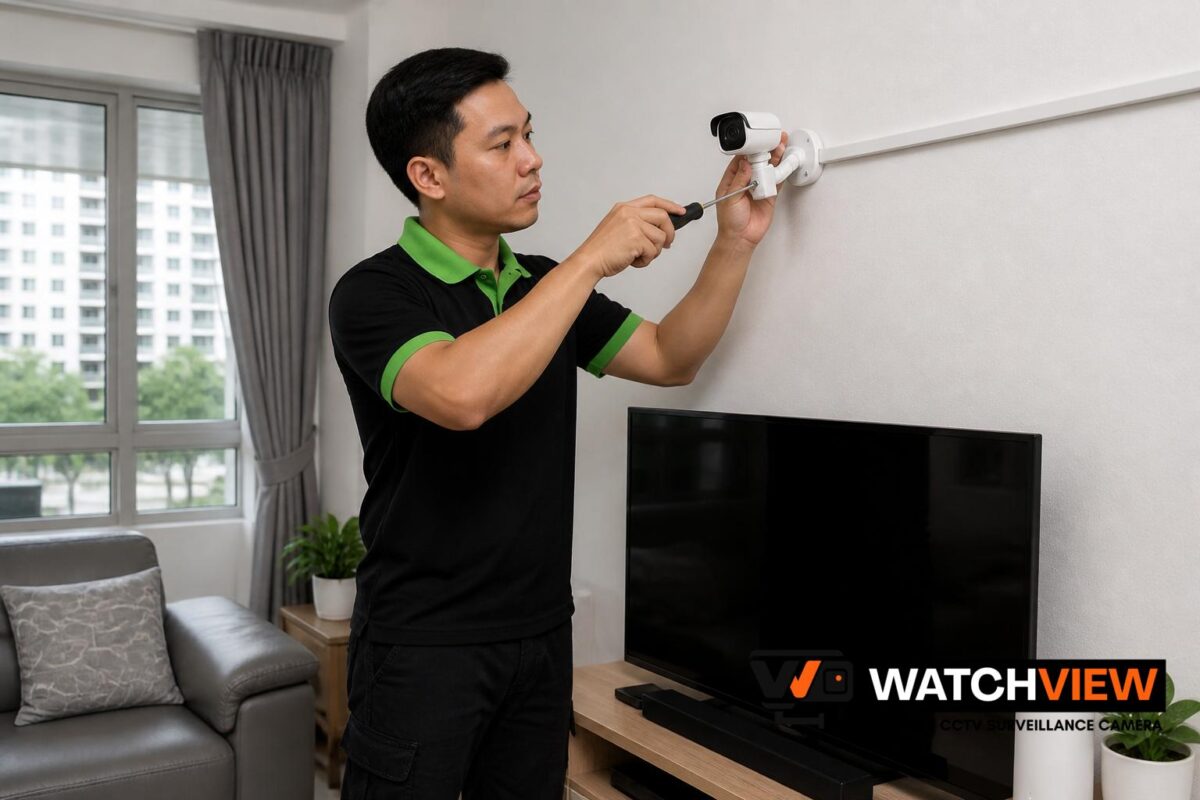
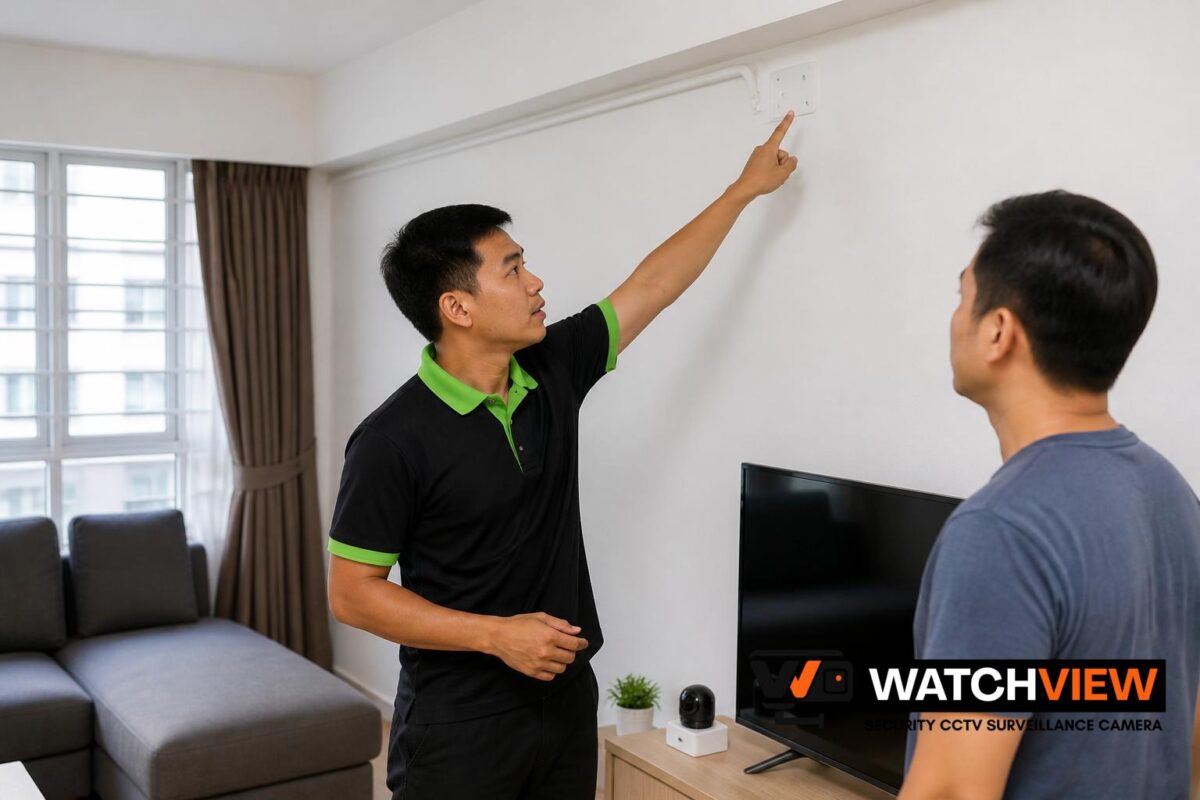
For wired CCTV systems, routine servicing often includes checking cable condition and connection points. The technician may inspect whether cables remain neatly routed, whether connectors are secure and whether there are any signs of wear, strain or loose termination. Neat cabling is not only about appearance; it also helps reduce the chance of intermittent faults.
Power supply is another important area. Cameras and recorders should receive stable power, and any adapter, power point or related connection should be assessed for heat, looseness or unreliable contact. In some homes, particularly landed properties with longer cable runs, a servicing visit can reveal small issues before they lead to signal loss or recording interruptions.
Recorder, storage and playback checks
The recorder or network video recorder is the heart of the CCTV system, so servicing normally includes checking that recording is taking place as expected. This can involve reviewing hard drive status, available storage, overwrite settings and playback quality. If the recorder is not saving footage properly, the system may look fine at live view but still fail when footage is needed.
Time and date settings are also important. If the clock is incorrect, recorded clips can be harder to find and review. During servicing, the technician may verify that the system time is accurate and that playback can be accessed smoothly from the monitor or connected device, depending on how the system is set up.
Weather exposure and outdoor camera care
Outdoor cameras in Singapore face heat, humidity, rain and occasional direct sunlight. Over time, these conditions can affect brackets, housings, seals and image quality. Routine servicing gives attention to those units that are most exposed, checking for corrosion, water marks, cable entry issues and general wear.
For landed homes in particular, cameras placed along driveways, gates or perimeter areas may need more frequent attention than indoor cameras. A servicing visit can help identify whether the camera still remains firmly mounted and whether the housing is still providing suitable protection for daily use.
Signs that a home CCTV system needs servicing sooner
Homeowners do not always need to wait for a full fault before arranging service. Some common signs include blurry or dark images, a camera that keeps disconnecting, missing recordings, damaged cables, unusual noise from the recorder or a camera that has shifted out of position. These signs often point to a minor issue that is easier to resolve early.
It is also worth arranging a check after renovation works, repainting, electrical changes or any event that may have disturbed the mounting or wiring. In many cases, a routine inspection is enough to restore the system to proper working order without major replacement work.
If you would like to review your home CCTV maintenance needs, WhatsApp WatchView Security CCTV Surveillance Camera Singapore to discuss your property type, number of cameras, supply-and-install or installation-only scope, camera locations, cabling or power-point requirements and preferred schedule: message us on WhatsApp.
Conclusion
Routine CCTV servicing for Singapore homes is best understood as a careful inspection of image quality, mounting, cabling, power supply and recording performance. It helps homeowners keep their wired CCTV system neat, functional and aligned with the areas they want to monitor. With regular attention, small issues can be addressed before they affect daily use or leave gaps in coverage.
Choose WatchView Security CCTV Surveillance Camera Singapore
WatchView Security CCTV Surveillance Camera Singapore helps homeowners set up CCTV, CCTV camera and CCTV surveillance camera solutions for residential monitoring across Singapore. Our services include home CCTV, home security camera, home IP camera and security camera setups for indoor areas as well as suitable sheltered locations outside HDB doors or gates.
Whether you are planning a new camera setup or already have compatible equipment, you can browse our products to explore available options and review our pricing for more information on the installation arrangements offered. Our projects also provide examples of completed residential camera works, while our blogs cover practical topics such as camera selection, positioning, viewing areas and home monitoring considerations.
With a focus on straightforward recommendations, suitable camera coverage and dependable installation, we support homeowners with camera setups suited to their property and monitoring needs. For further assistance, contact us via WhatsApp +65 8241 0032 to enquire about your residential camera requirements.
Frequently Asked Questions
How often should home CCTV be serviced in Singapore?
For most homes, a periodic check every 6 to 12 months is reasonable, especially for outdoor cameras or systems that are used continuously. Homes exposed to more dust, rain or renovation activity may benefit from more frequent servicing.
Does CCTV servicing include repairing faulty cameras?
Routine servicing usually focuses on inspection, cleaning, alignment and checking the recorder, cables and power supply. If a camera, hard drive, connector or power component is faulty, additional repair or replacement work may be needed after the inspection.
Can servicing improve camera coverage without installing new cameras?
Yes, sometimes it can. If a camera has shifted slightly or the angle is no longer ideal, servicing may allow the technician to adjust the mount and restore better coverage. However, if the area has changed significantly, an additional camera may still be needed for proper coverage.