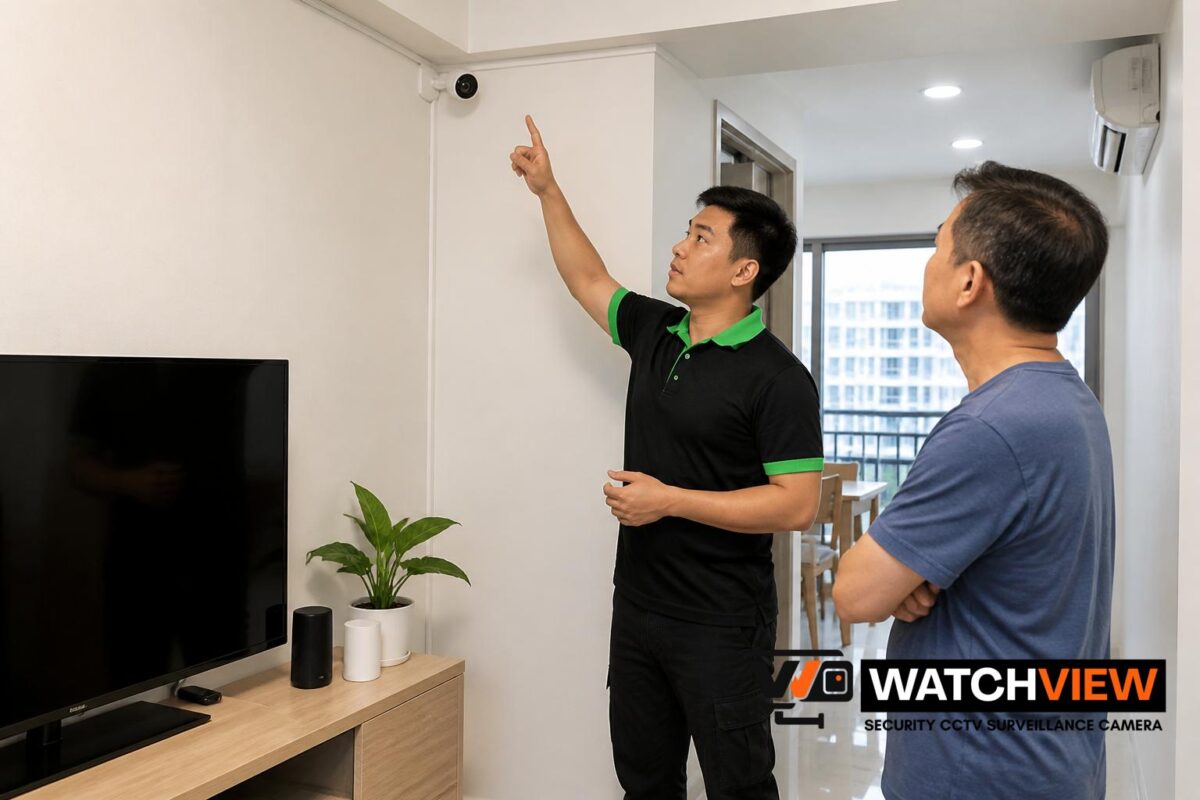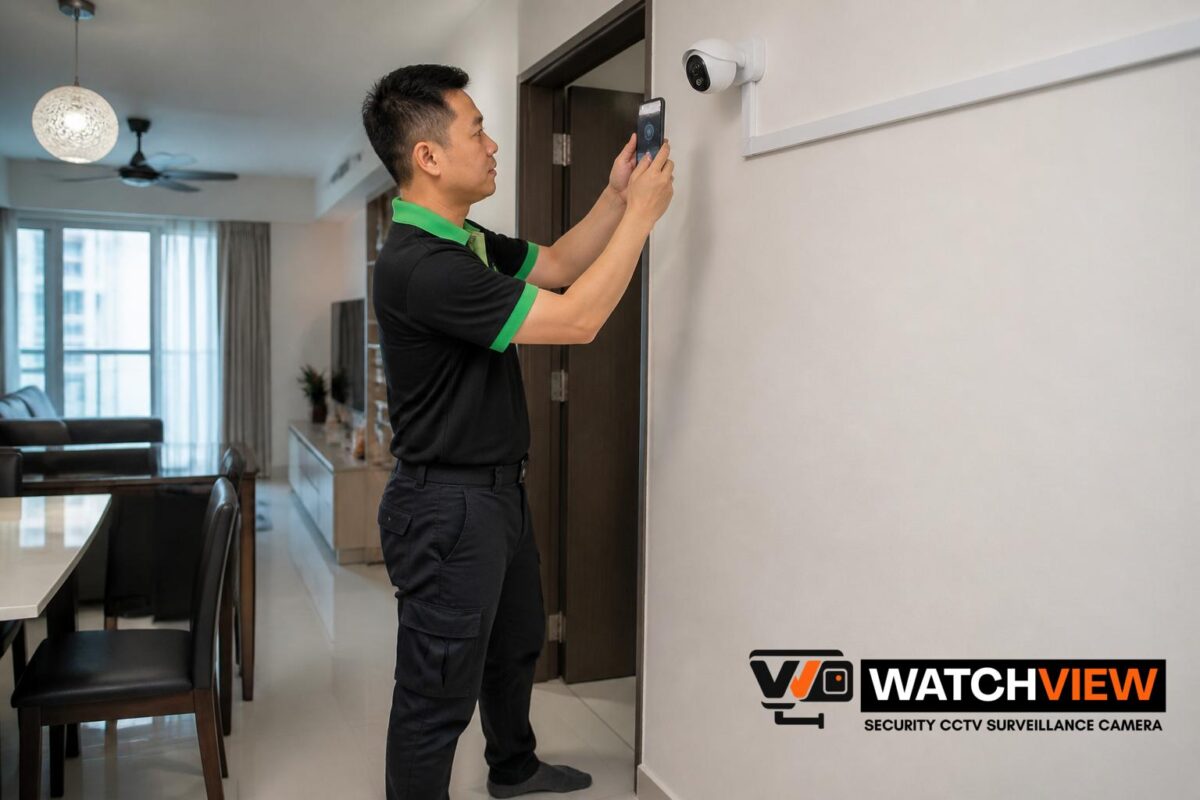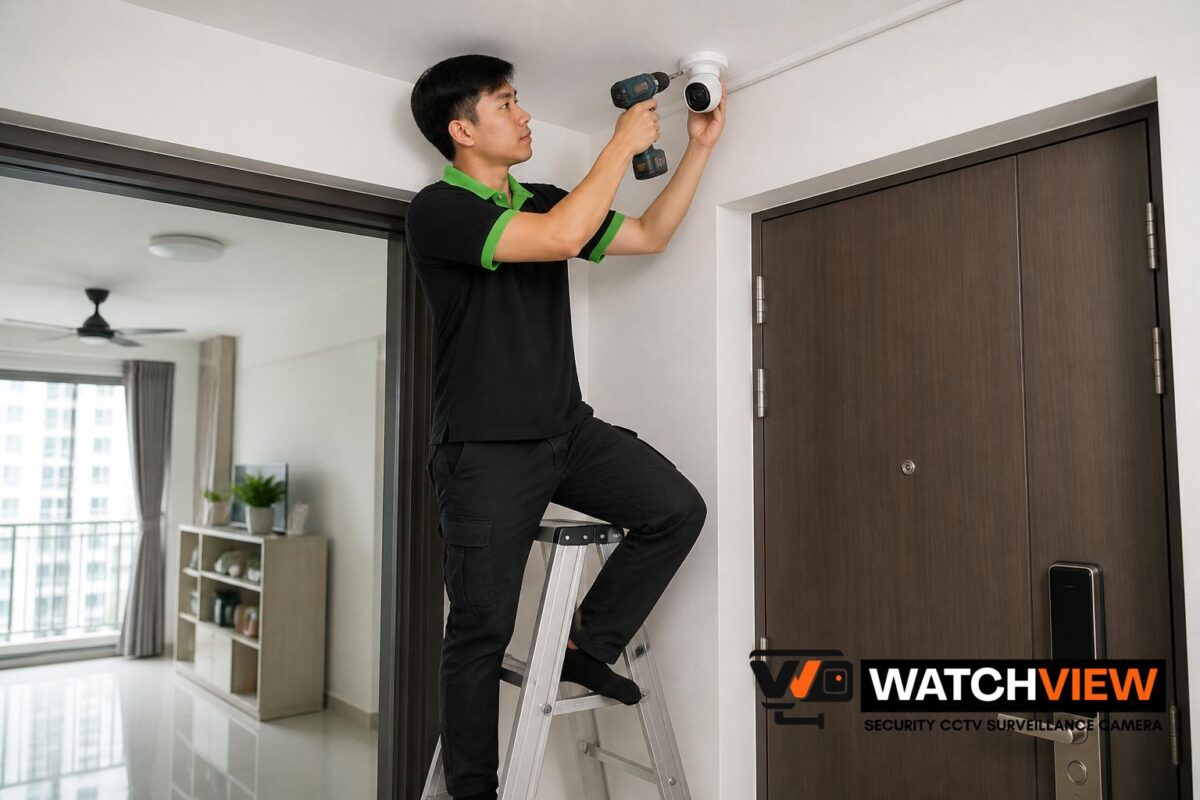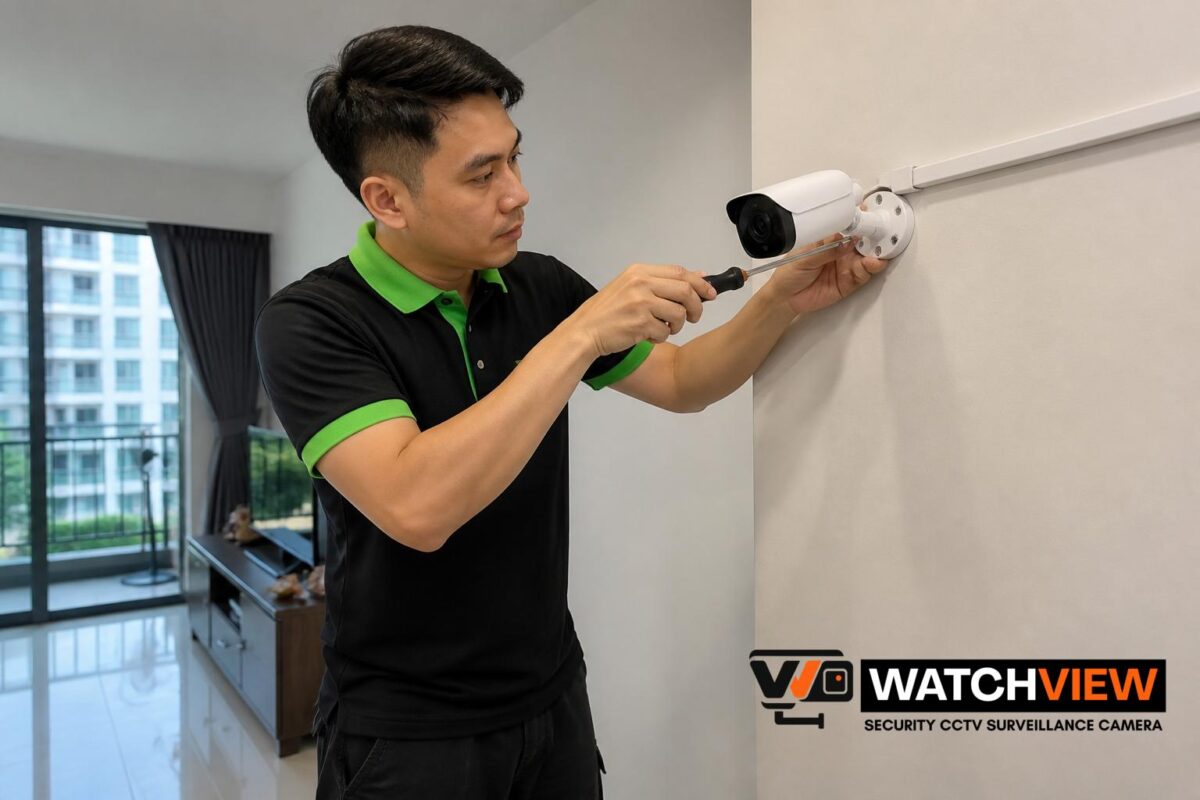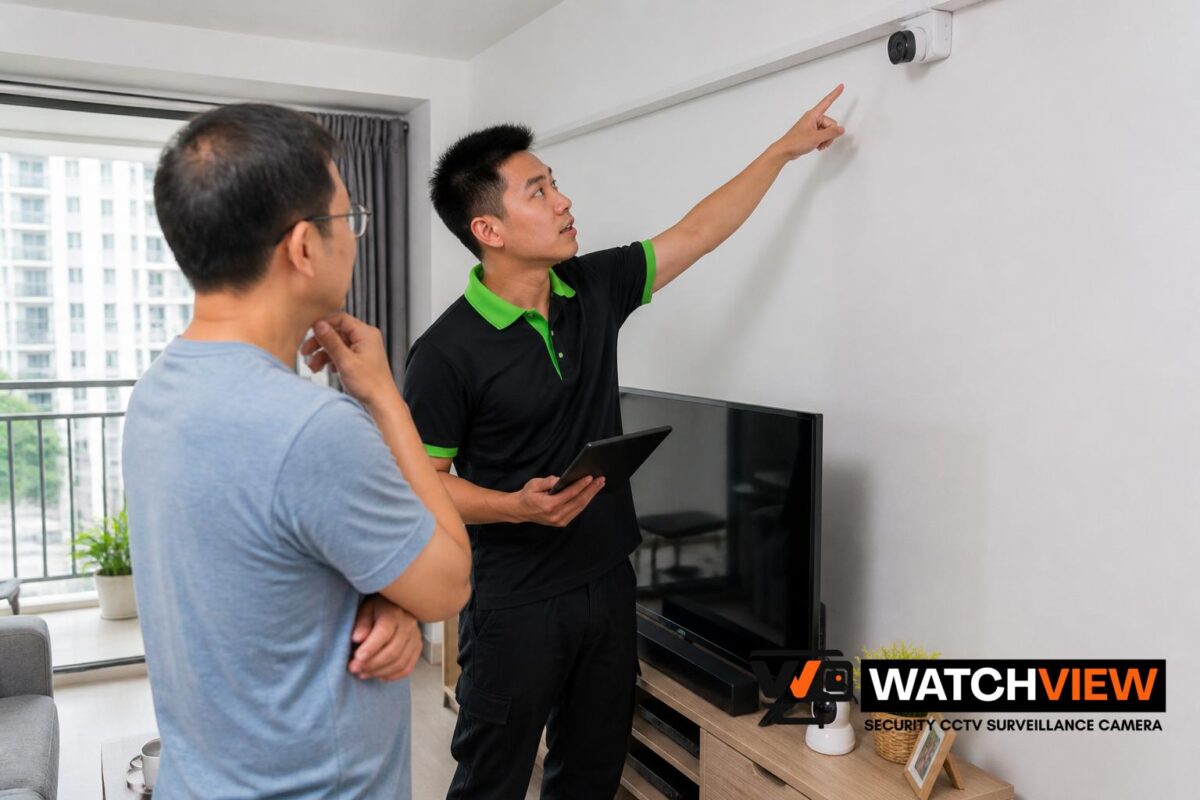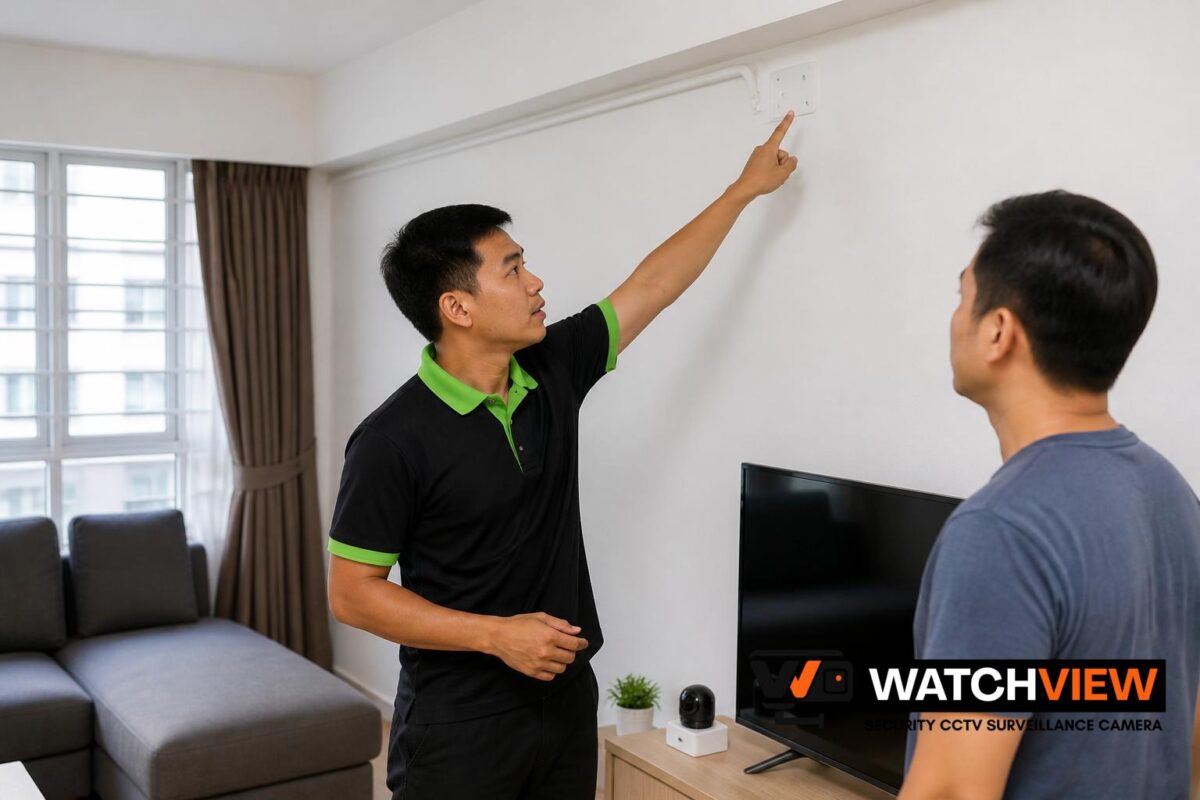

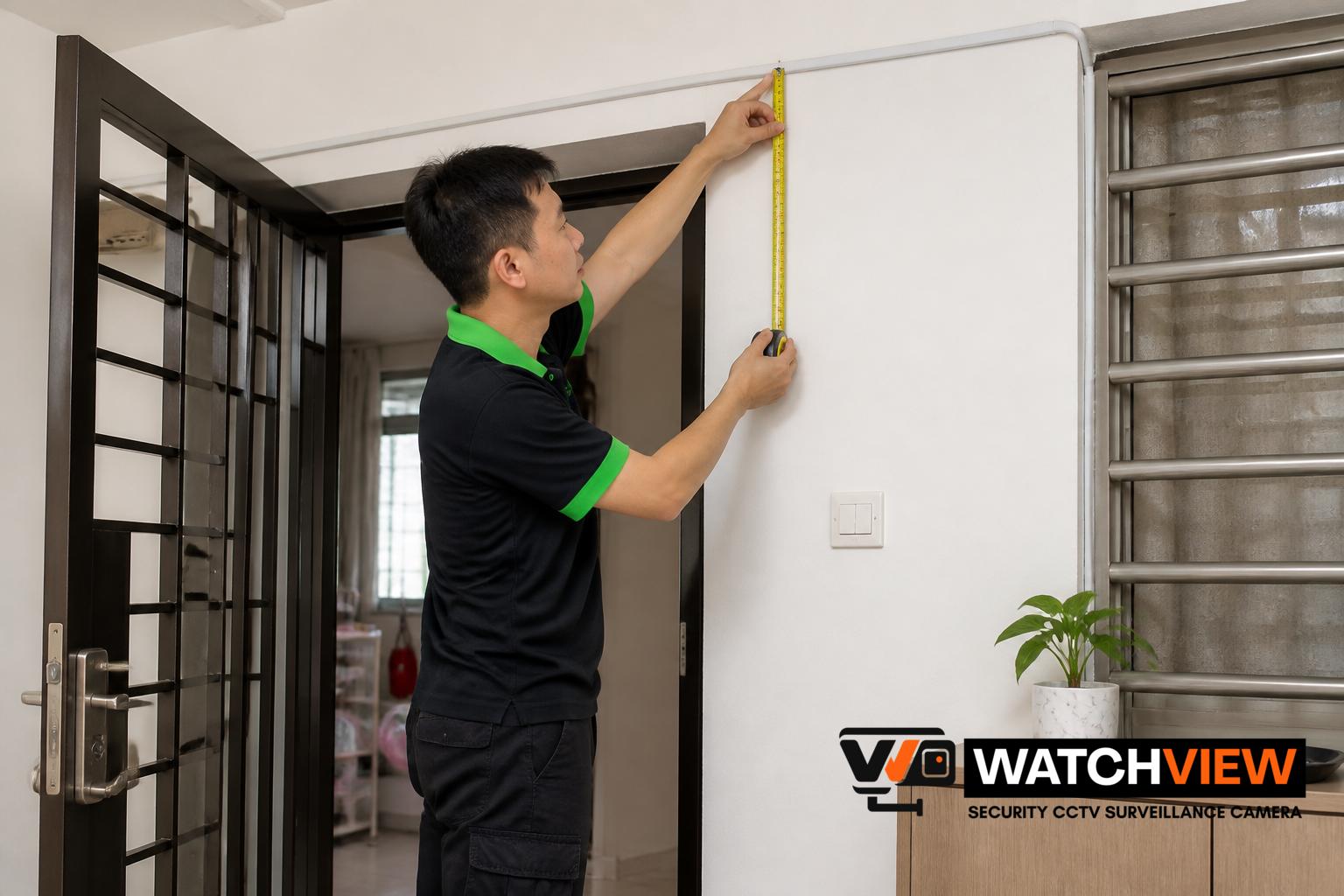
Arranging CCTV surveillance for elderly family members in Singapore is less about watching every corner and more about creating a safe, respectful and practical setup that supports daily care. In many homes, the right camera placement can help family members check on movement, confirm that routines are being followed and spot possible risks such as trips, falls or missed assistance, while still preserving dignity and privacy.
Start with the elderly person’s daily routine and risk areas
The first step is to understand how the elderly family member uses the home. A practical CCTV plan should follow natural movement patterns rather than forcing cameras into every room. Focus on areas where support is most often needed, such as the main entrance, living room, corridor to the bedroom, kitchen access and any area where mobility is limited.
In Singapore homes, this often means assessing whether the elderly person spends most of the day in one room, needs help moving between rooms, or uses mobility aids. The arrangement should support observation of important activity without making the home feel monitored in an intrusive way.
Choose camera locations that support safety without compromising privacy
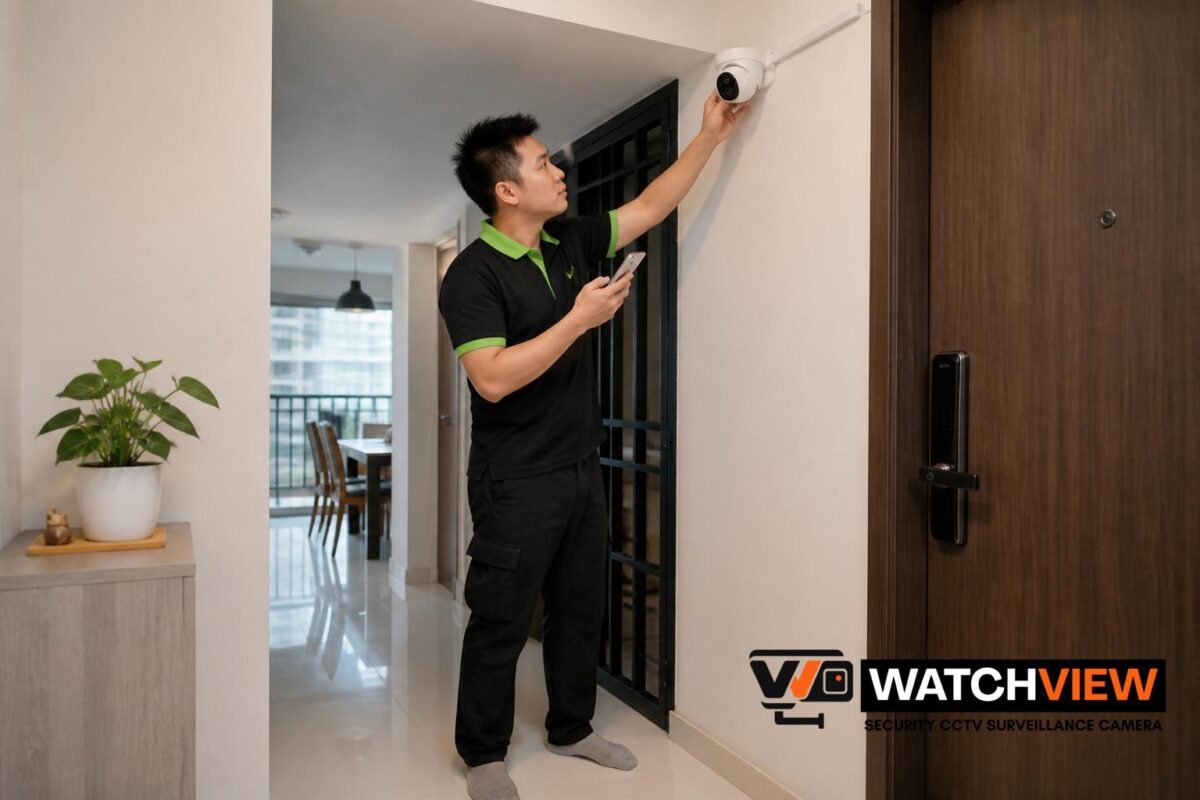
Camera placement should be selective. Commonly useful positions include the front door, shared family spaces and passage areas where slips or sudden medical incidents are more likely to be noticed. These locations can help family members check whether the elderly person is moving around as expected or whether a visitor has arrived.
Bedrooms, bathrooms and other highly private spaces should generally be avoided unless there is a very specific and agreed care reason. Even then, it is usually better to place cameras outside private areas so that essential monitoring can happen without capturing unnecessary personal activity.
For elderly family members who remain active at home, a balanced setup often works best: enough coverage to reduce blind spots, but not so many cameras that the arrangement becomes overwhelming or uncomfortable.
Prioritise clarity, wide coverage and stable installation
For elderly care, the usefulness of CCTV depends heavily on image clarity. A camera that captures grainy or poorly lit footage may not help when family members need to check details such as movement, posture or whether someone has entered the home. Clear placement, adequate lighting and the right viewing angle matter more than simply adding more cameras.
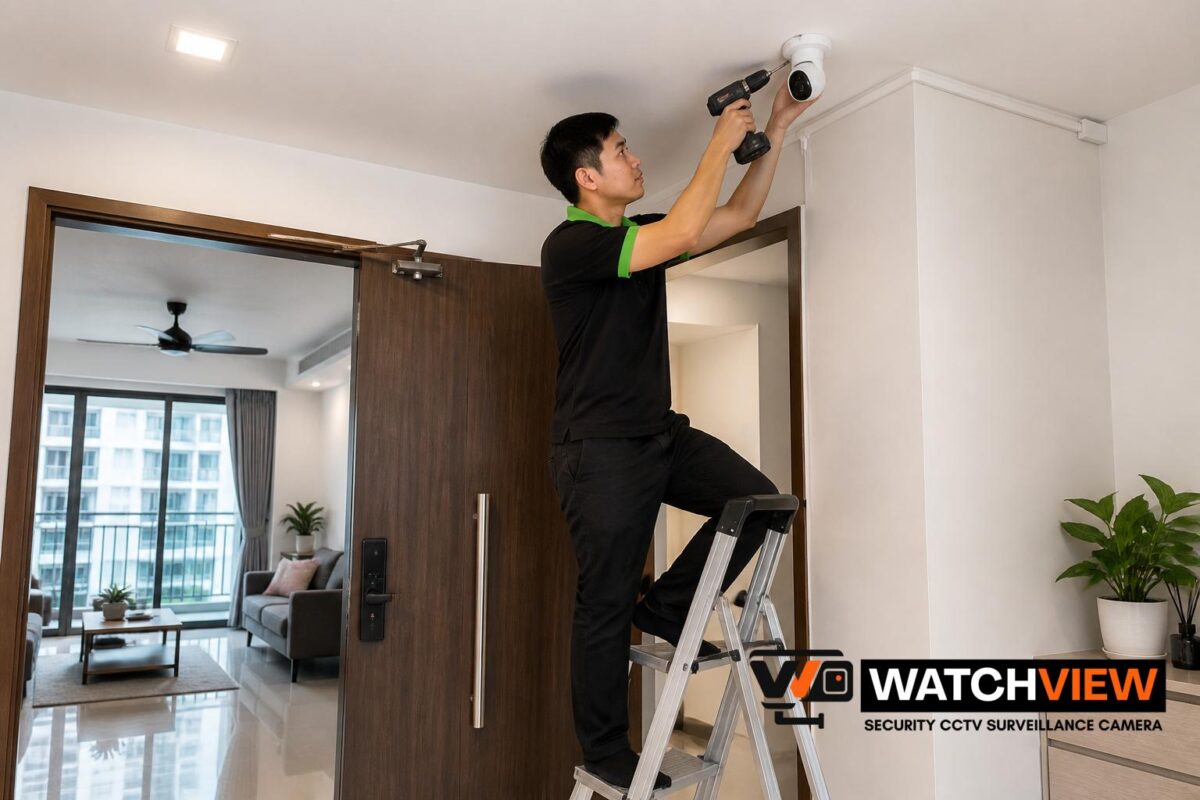
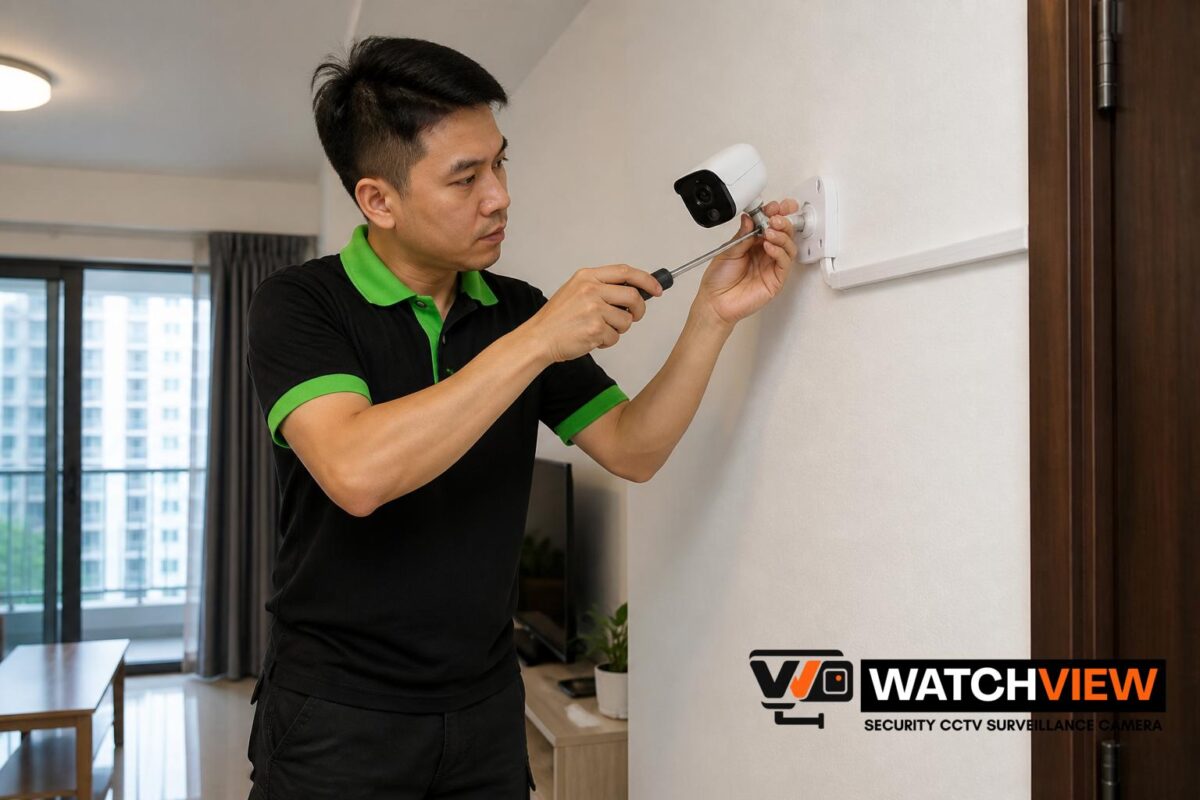
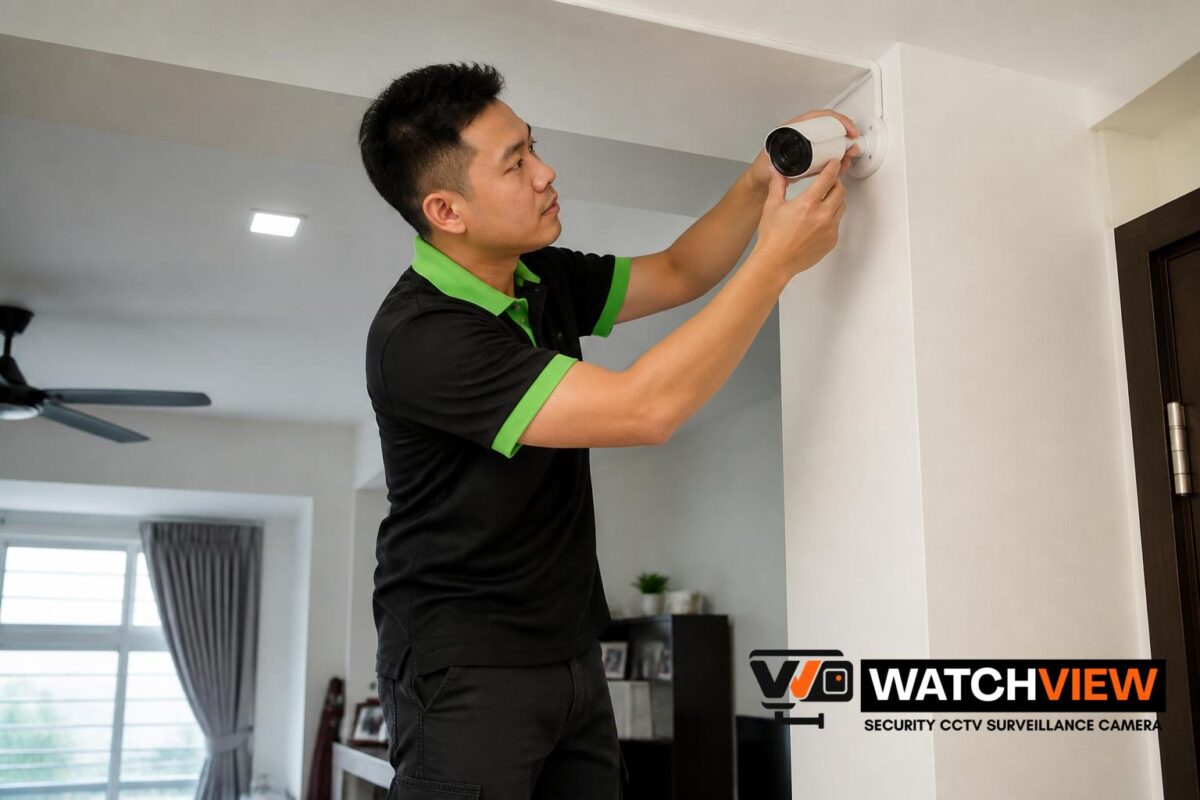
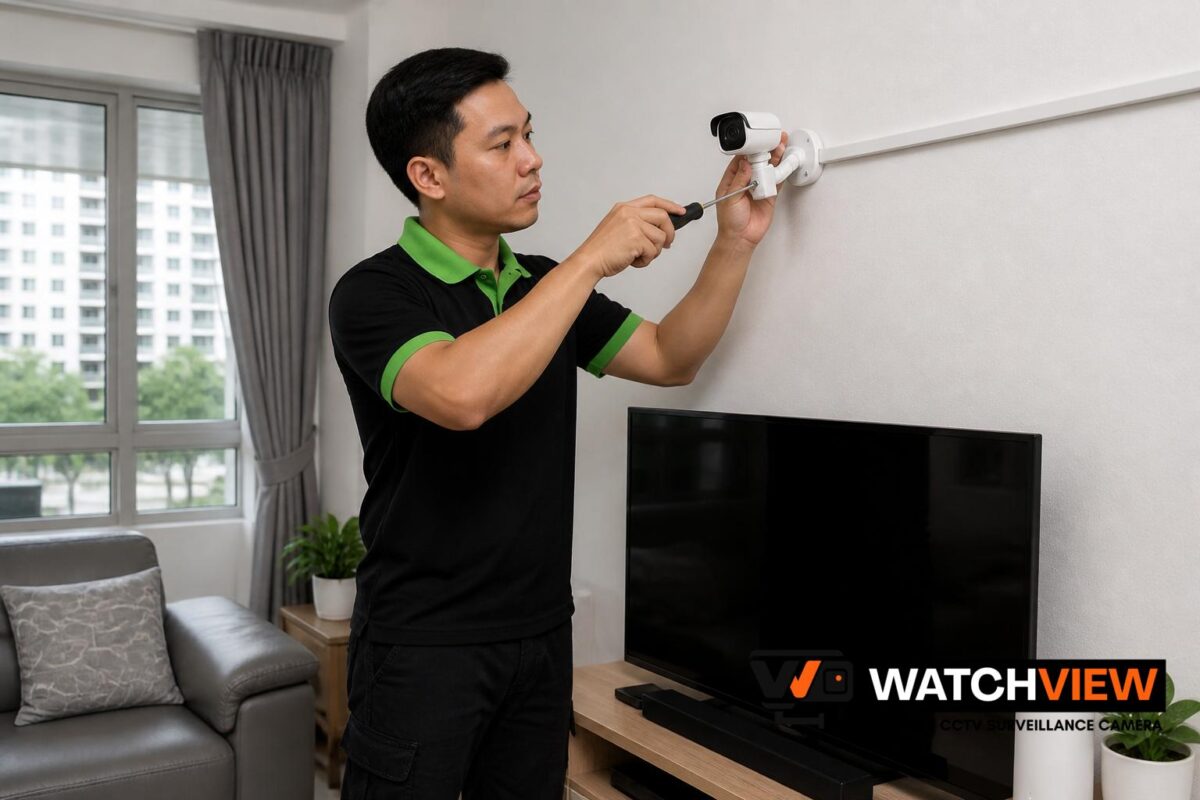
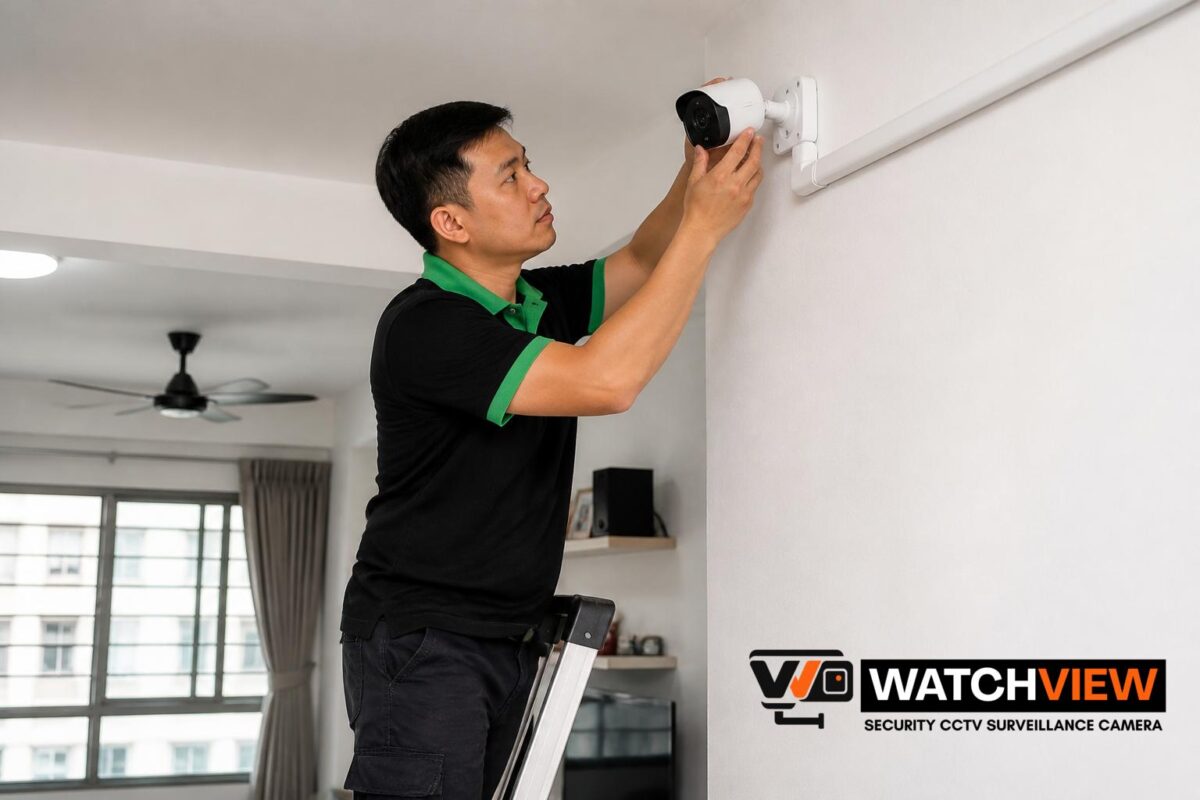
In many Singapore homes, wired CCTV installation is preferred for reliability and cleaner long-term performance. Proper wall or ceiling mounting, neat cable routing and suitable power-point support can help the system remain stable and less prone to accidental disconnection. This is particularly helpful in homes where an elderly person may use walking aids, mobility equipment or furniture with frequent movement nearby.
Plan for remote viewing that is simple for family members to use
CCTV for elderly family care is most effective when it is easy to check at a glance. Family members may not be tech-savvy, so the setup should be straightforward, with the live view and playback functions tested properly during installation. If more than one relative needs access, it is sensible to agree in advance who will receive viewing access and how alerts or checks will be handled.
The goal is not constant surveillance, but convenient support. For example, a working adult child may want to review the home in the evening, while another caregiver checks the system during the day. A well-arranged CCTV system should make this practical without becoming difficult to manage.
Balance monitoring needs with dignity and family trust
Good elderly-care CCTV arrangement should respect the person being observed. It helps to explain why the cameras are being installed, which areas will be covered and how the footage will be used. When families involve the elderly member in the discussion, the system is more likely to be accepted and used appropriately.
It is also sensible to keep the setup limited to care-related needs. Avoid pointing cameras at areas that capture unnecessary private behaviour or conversations. In many cases, the best arrangement is one that is almost unnoticeable in daily life, while still available when needed for reassurance or incident review.
Consider the home type and layout in Singapore
Different Singapore homes require different CCTV arrangements. In an HDB flat, the layout may be compact, so one or two well-positioned cameras may cover the essential areas effectively. In a condominium, shared living spaces and entry points may create different viewing angles and cable-routing considerations. In landed homes, there may be a need to monitor a larger ground floor, entrance path or helper-access area.
The installation approach should suit the property, including the mounting surface, available power points and the path for cabling. For elderly-family monitoring, a neat and durable installation is especially important because the system is intended to support day-to-day living over the long term.
Think ahead about storage, playback and maintenance
An elderly-care CCTV setup should not only record images but also store them in a way that is practical for later review. Families may need to check an event after a fall, a missed delivery or an unusual period of inactivity. It is useful to confirm how footage will be saved, how long it will remain available and whether playback is easy to access.
Routine maintenance should also be considered. Cameras placed near entrances or in frequently used spaces can accumulate dust or become accidentally adjusted. A stable installation and periodic checks help maintain the usefulness of the system. If the elderly person’s needs change over time, the camera arrangement may need to be updated as well.
If you would like to arrange CCTV for elderly family care, WhatsApp WatchView Security CCTV Surveillance Camera Singapore to discuss your property type, the number of cameras needed, supply-and-install or installation-only scope, camera locations, cabling or power-point requirements and preferred schedule, then request a quotation: WhatsApp enquiry.
Conclusion
For elderly family members in Singapore, CCTV should be arranged with care, restraint and clear purpose. The best setup is usually one that covers key movement areas, uses reliable installation methods and supports family oversight without intruding on privacy. With thoughtful placement and proper setup, CCTV can become a practical part of home care rather than a source of discomfort.
Choose WatchView Security CCTV Surveillance Camera Singapore
WatchView Security CCTV Surveillance Camera Singapore provides practical residential CCTV solutions for homeowners looking to monitor indoor spaces and sheltered areas around their homes. Explore our services to learn more about CCTV surveillance camera, home CCTV, security camera, home security camera, home IP camera and CCTV camera solutions, including both supply-and-install and installation-only arrangements for compatible cameras.
Homeowners can also view our products to explore suitable camera options and refer to our pricing for more information on available installation arrangements. For examples of completed residential setups, visit our projects, while our blogs provide practical information on camera placement, home monitoring, CCTV systems and other considerations when planning CCTV security cameras for home use.
Serving households across Singapore, WatchView Security CCTV Surveillance Camera Singapore focuses on suitable camera coverage, dependable workmanship and straightforward recommendations based on each home’s requirements. Contact us for further enquiries via WhatsApp at +65 8241 0032 to enquire about your home CCTV and security surveillance camera requirements.
Frequently Asked Questions
Where should CCTV be placed for an elderly person at home?
The most useful locations are usually shared and transitional areas such as the entrance, living room and corridors leading to the bedroom or kitchen. These areas help family members monitor movement and respond if something seems unusual, while avoiding highly private spaces.
Should CCTV cover bedrooms or bathrooms for elderly care?
In most cases, bedrooms and bathrooms should be avoided because they are private spaces. If there is a very specific care need, the arrangement should be discussed carefully with the family member involved and kept as limited as possible.
Is wired CCTV better for elderly monitoring in Singapore homes?
Wired CCTV is often preferred for elderly-care setups because it can provide stable power and a cleaner long-term installation. This is especially helpful in homes where the camera needs to remain dependable and unobtrusive for daily use.