
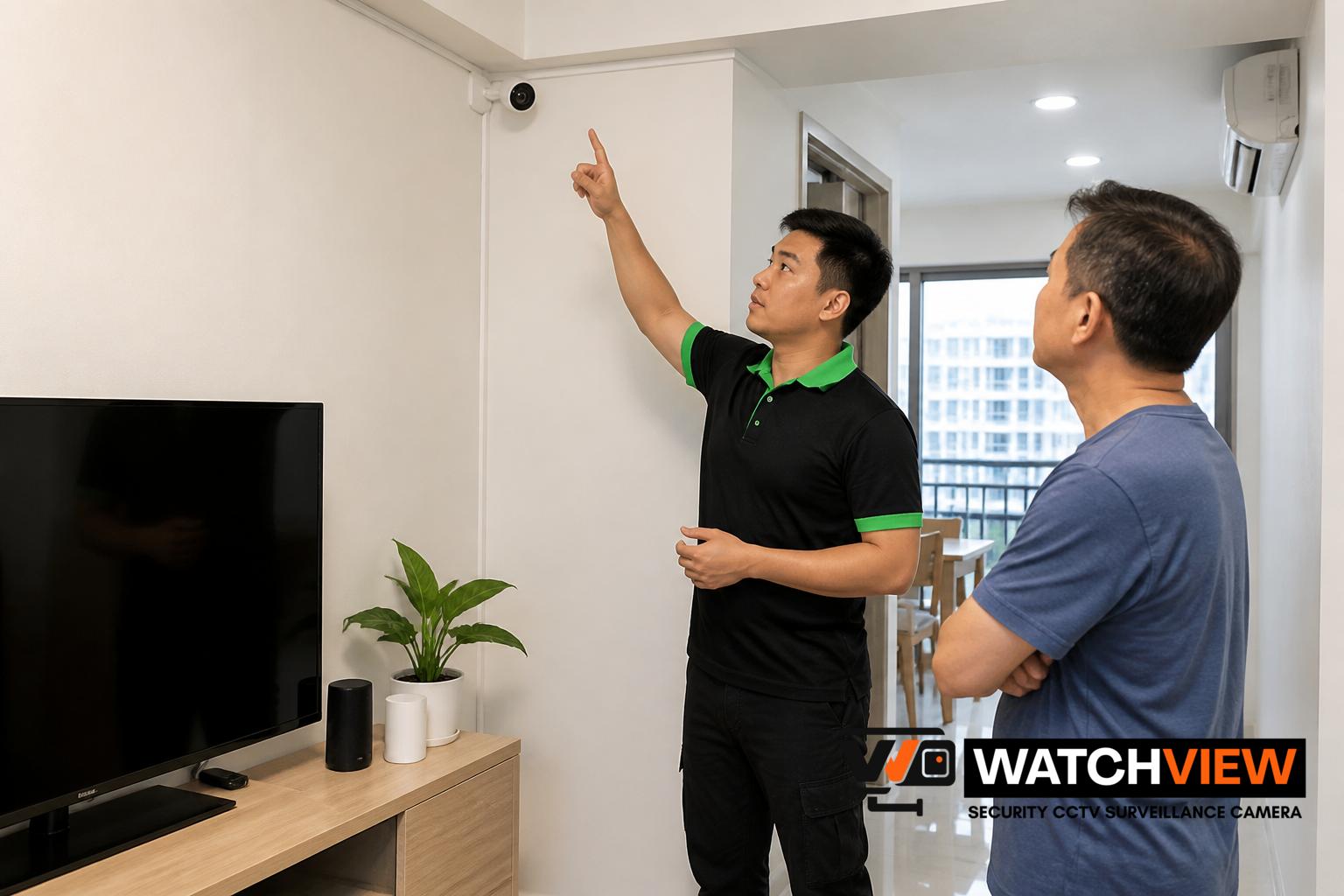
Removing a surveillance system from a Singapore home is usually straightforward in principle, but the actual work can range from a simple camera take-down to a careful removal that protects walls, cabling, power points and any recorded footage you still need. Whether the system was installed in an HDB flat, condominium or landed property, the process should be planned so that equipment is removed safely and the home is left tidy.
In practice, a surveillance system may include cameras, brackets, power adapters, network cabling, a recorder, storage drives and sometimes a monitor or networking equipment. If the system is being removed because of a renovation, a tenancy handover, an upgrade or a change in household security needs, it helps to understand what is involved before any tools come out.
What “removal” usually means in a home CCTV system
Removal can mean different things depending on the setup. In some homes, it simply means taking down the cameras and leaving the existing cables in place for future use. In others, it means dismantling the full system, including the recorder, hard drives, cabling, connectors and any surface-mounted trunking or cable clips.
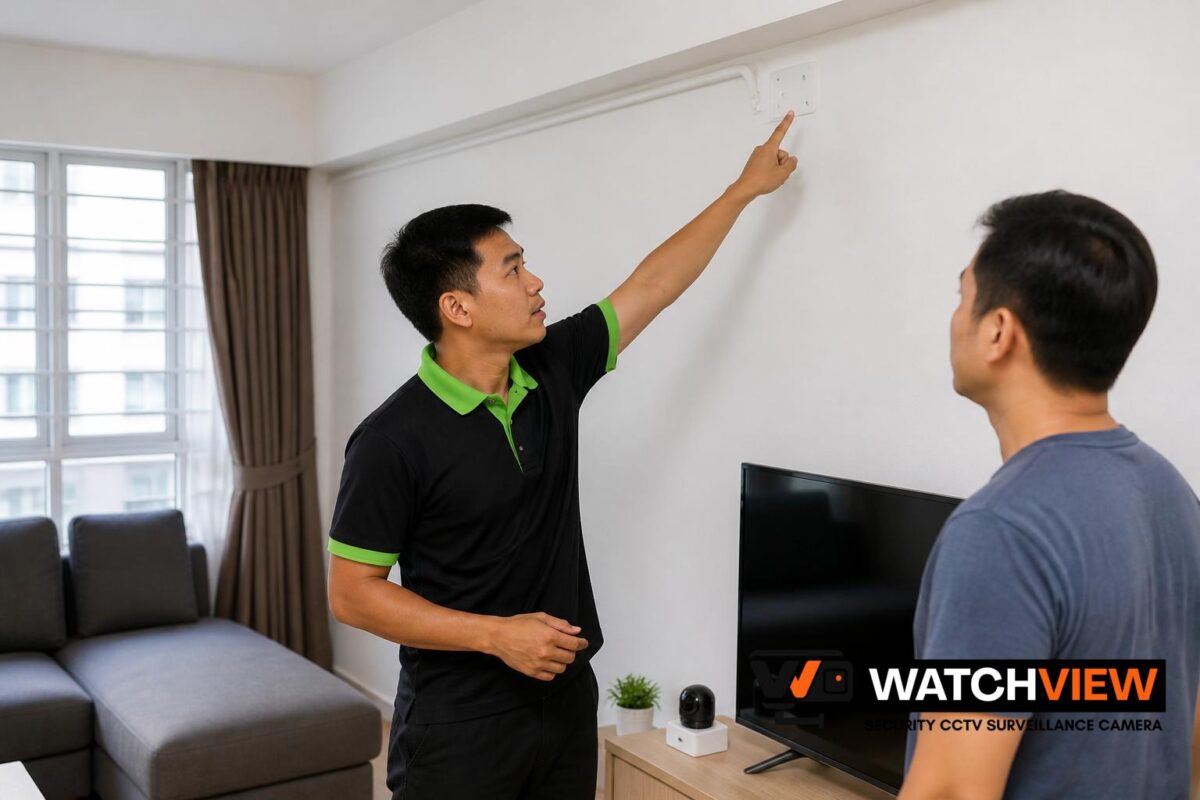
A proper home CCTV removal should also consider what remains behind. Holes from wall or ceiling mounts may need to be patched later, cable routes may need to be made safe, and power points used for the system should be checked once the cameras are disconnected. The exact scope matters because a neat removal is different from a rushed disconnection.
How the removal process is usually carried out
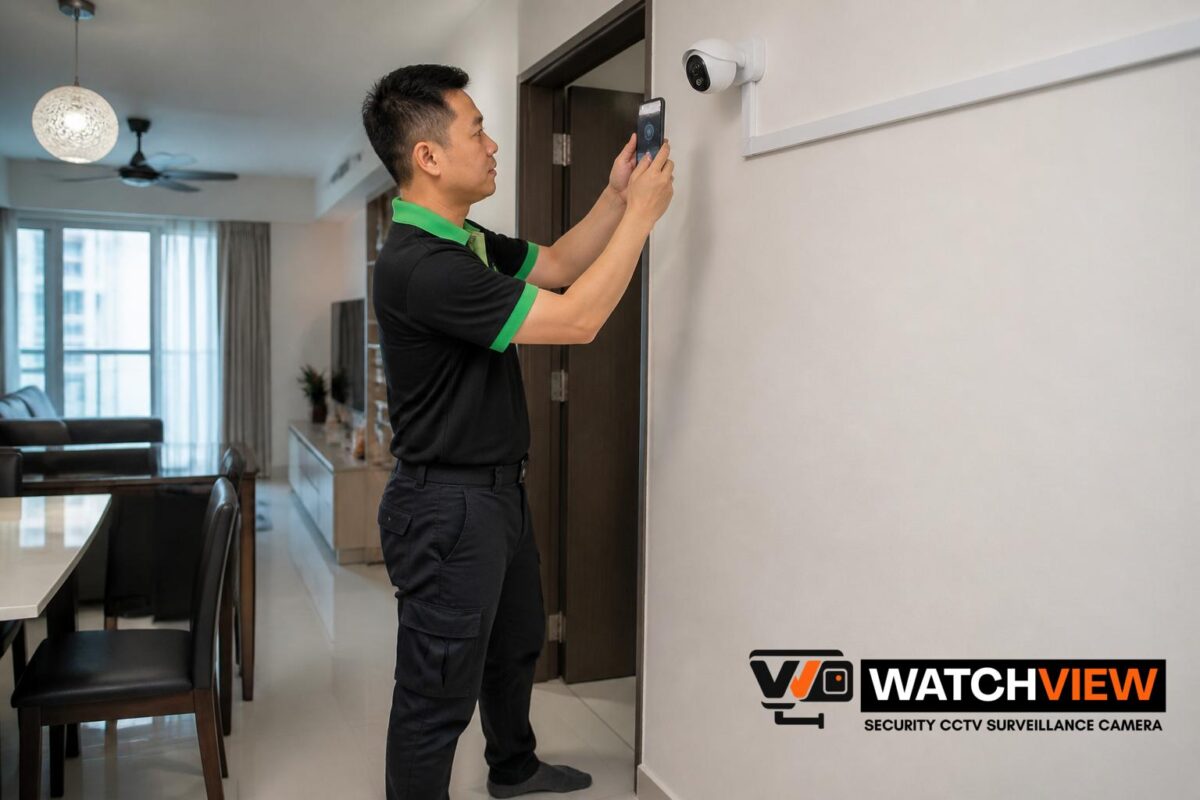
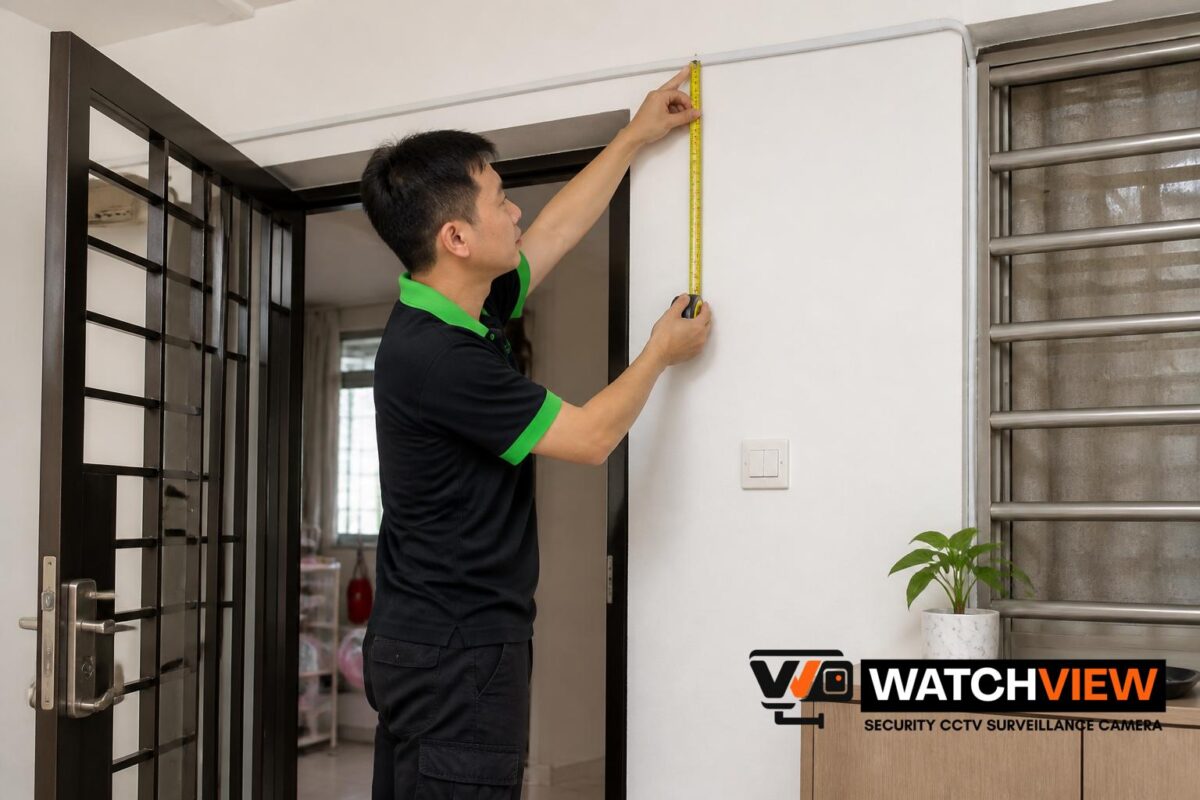
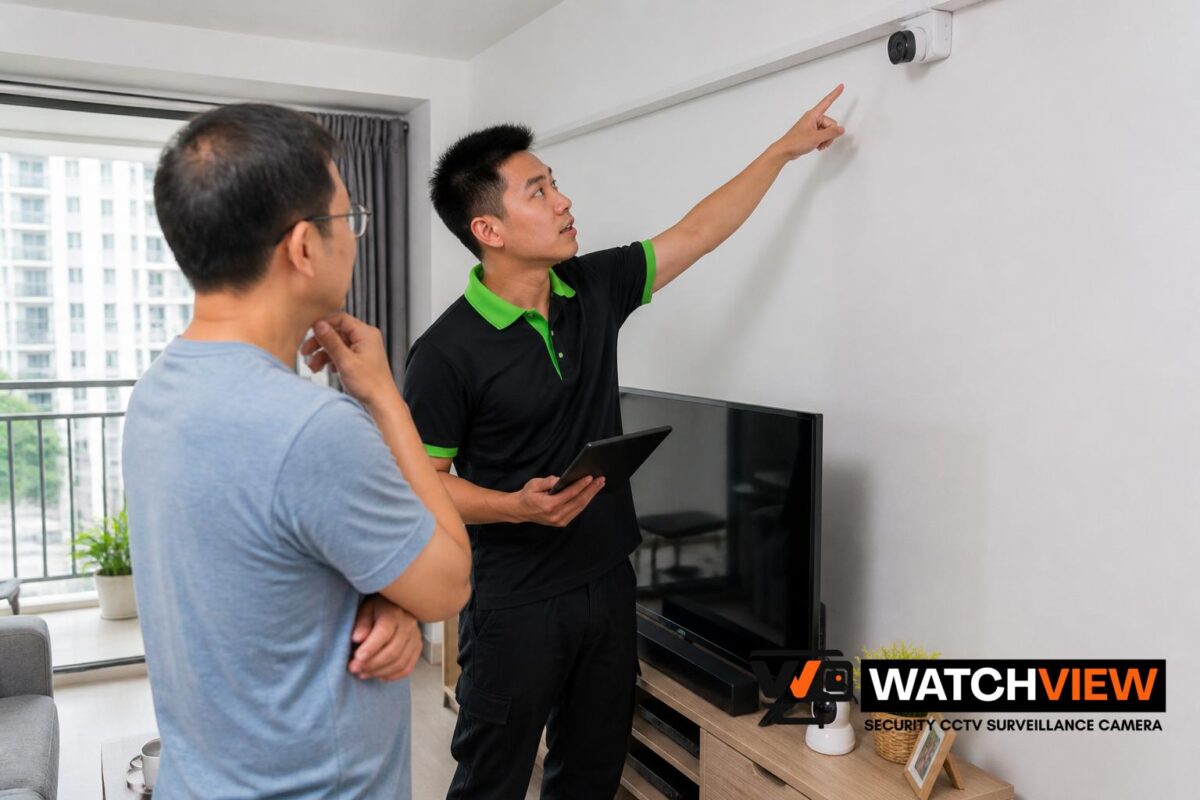
The process typically begins with identifying every part of the system and confirming whether the cameras are wired, powered from nearby sockets or connected through a network device. Once the setup is understood, the system is powered down safely, and recording devices are handled before the cameras are removed from their mounts.
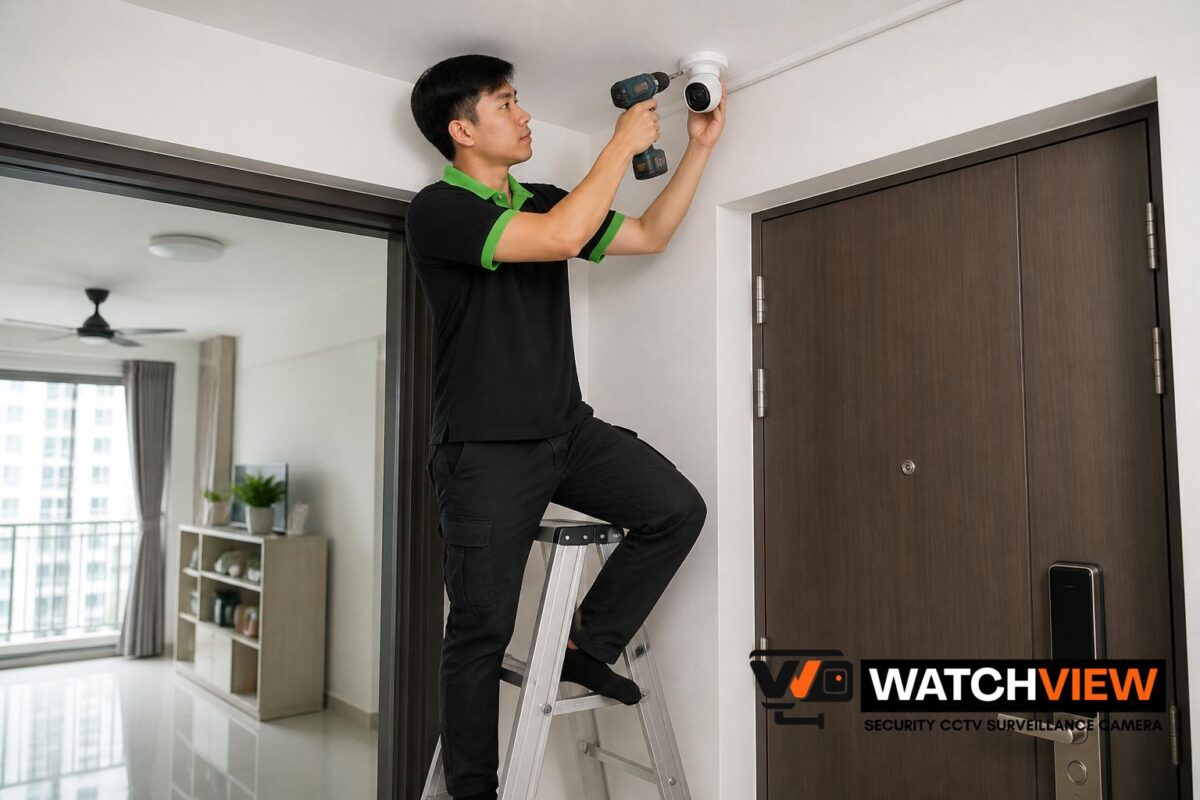
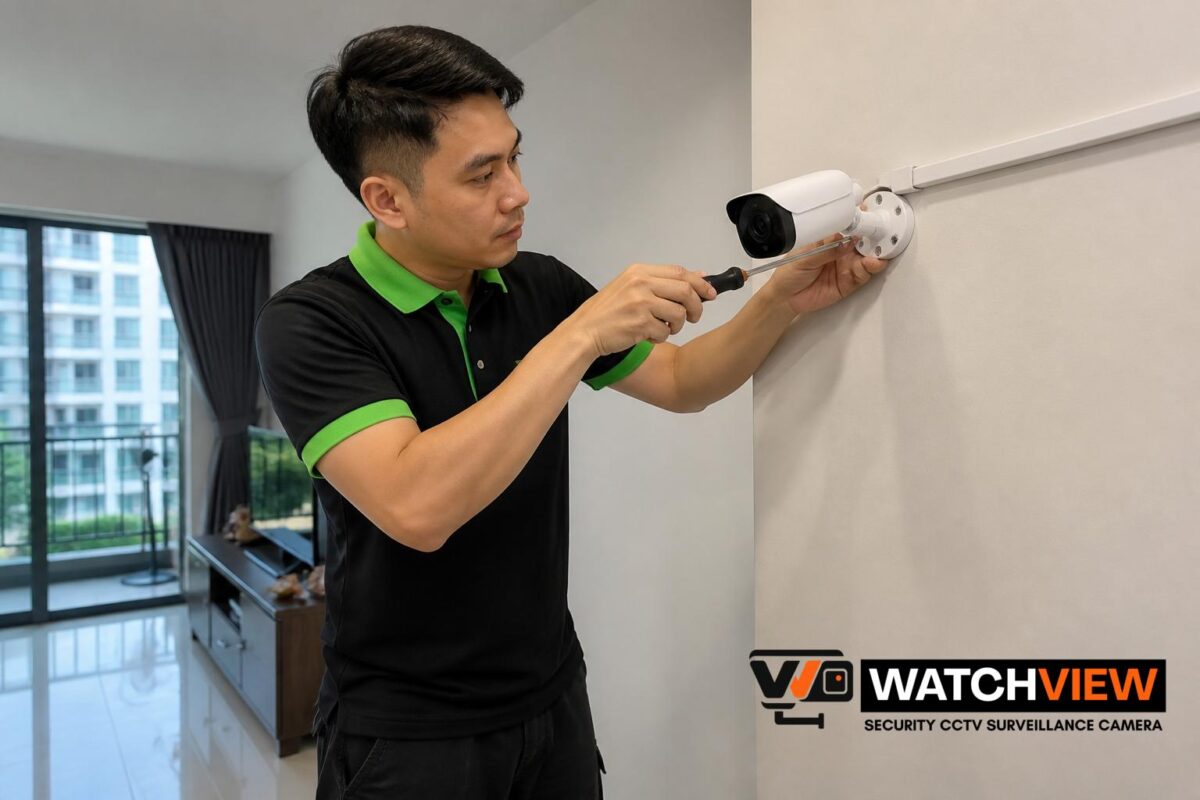
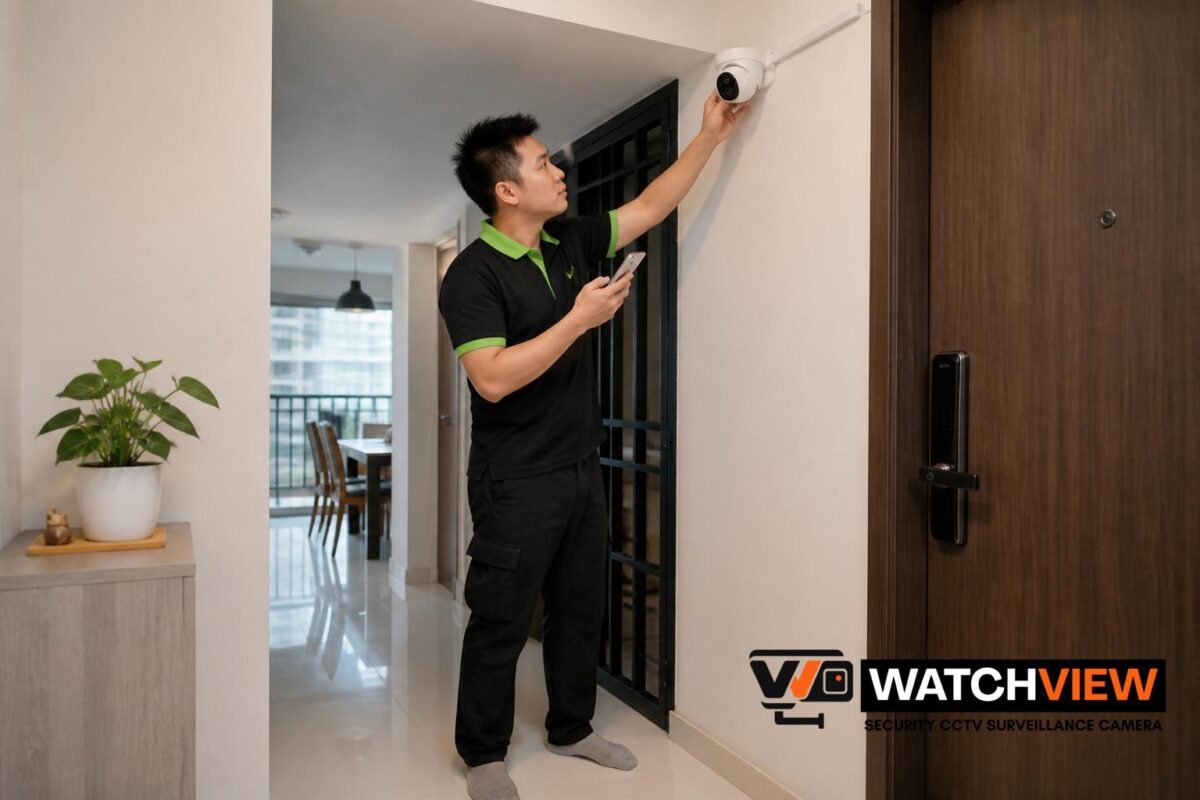
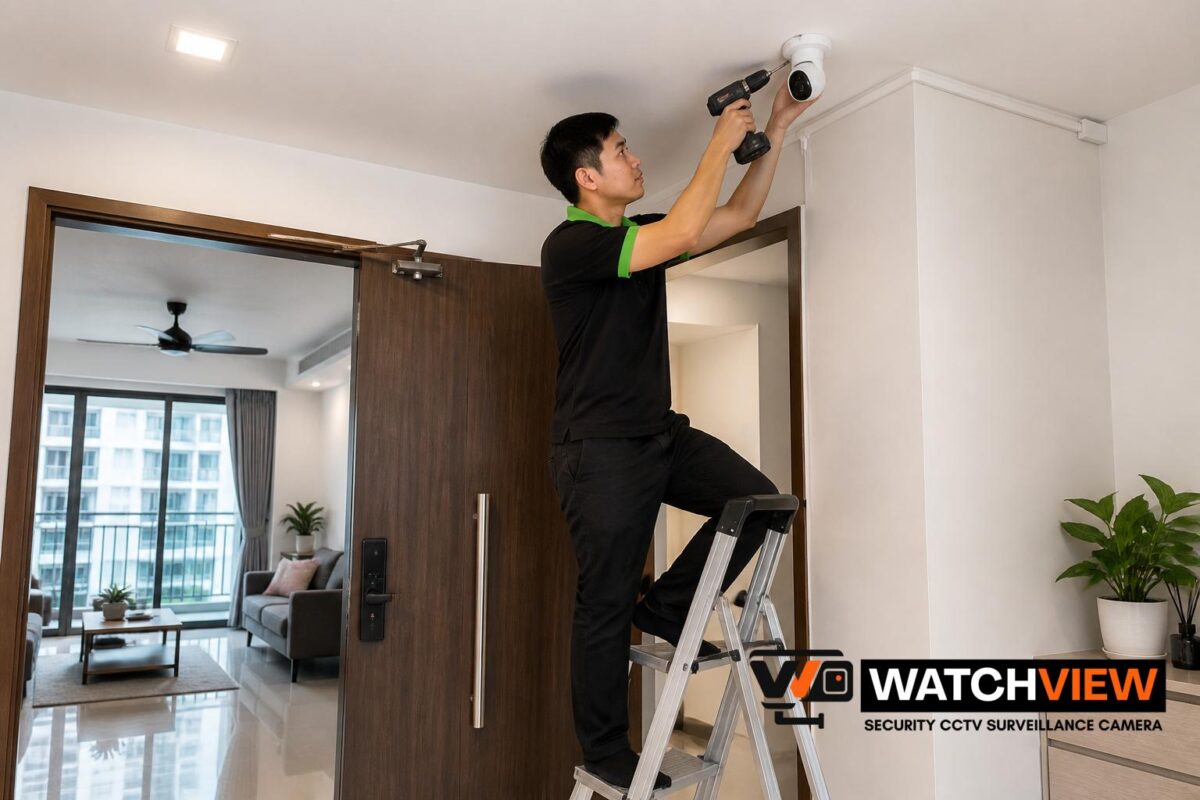
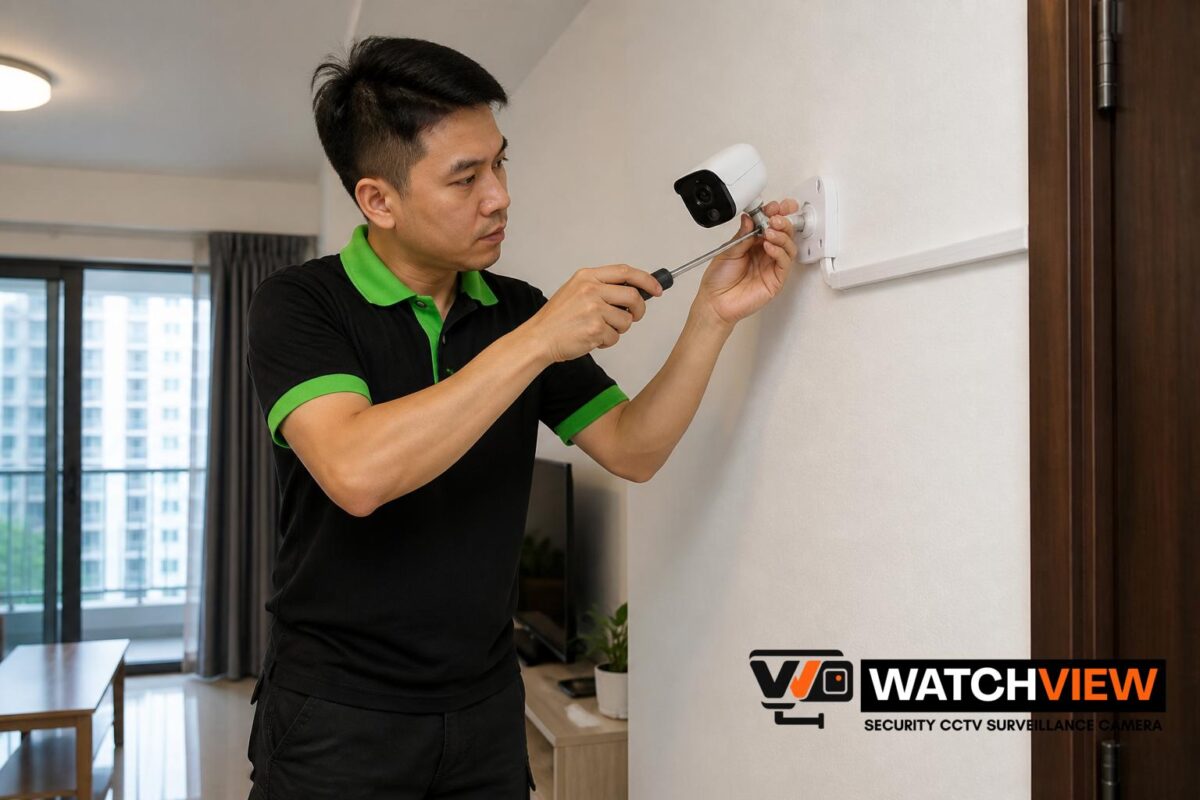
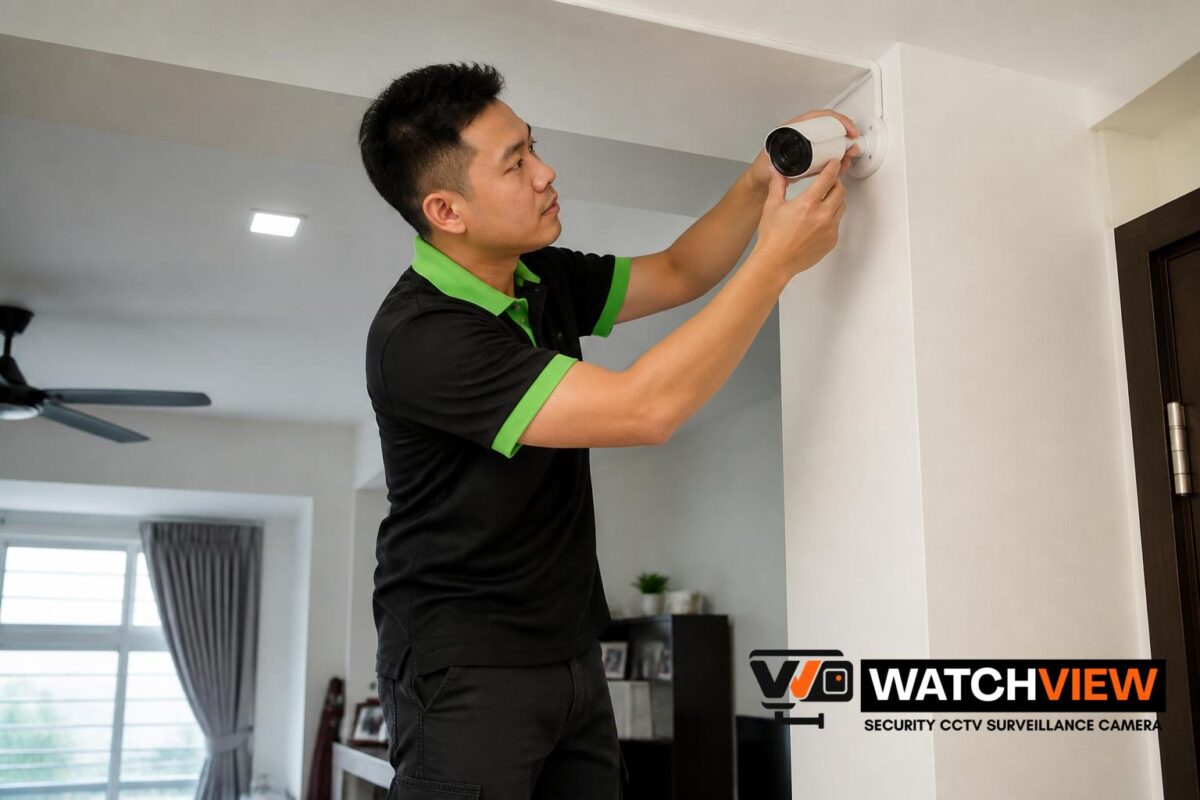
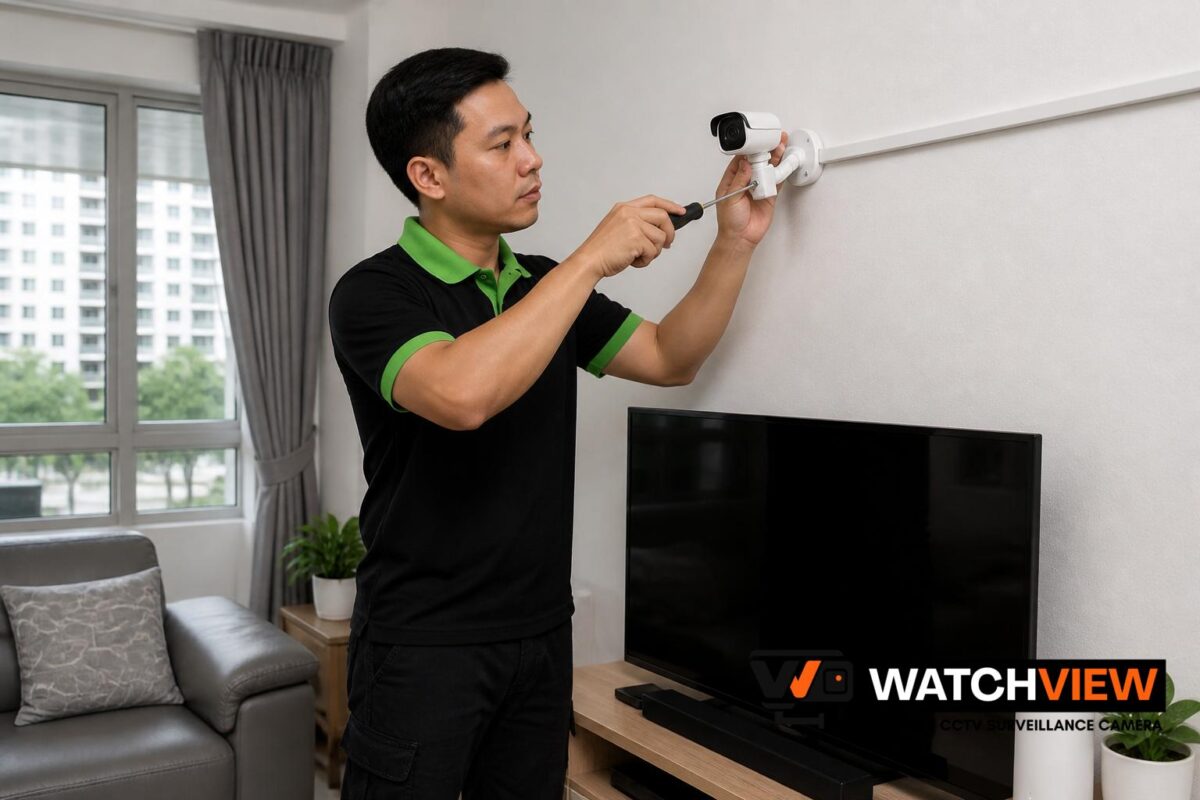
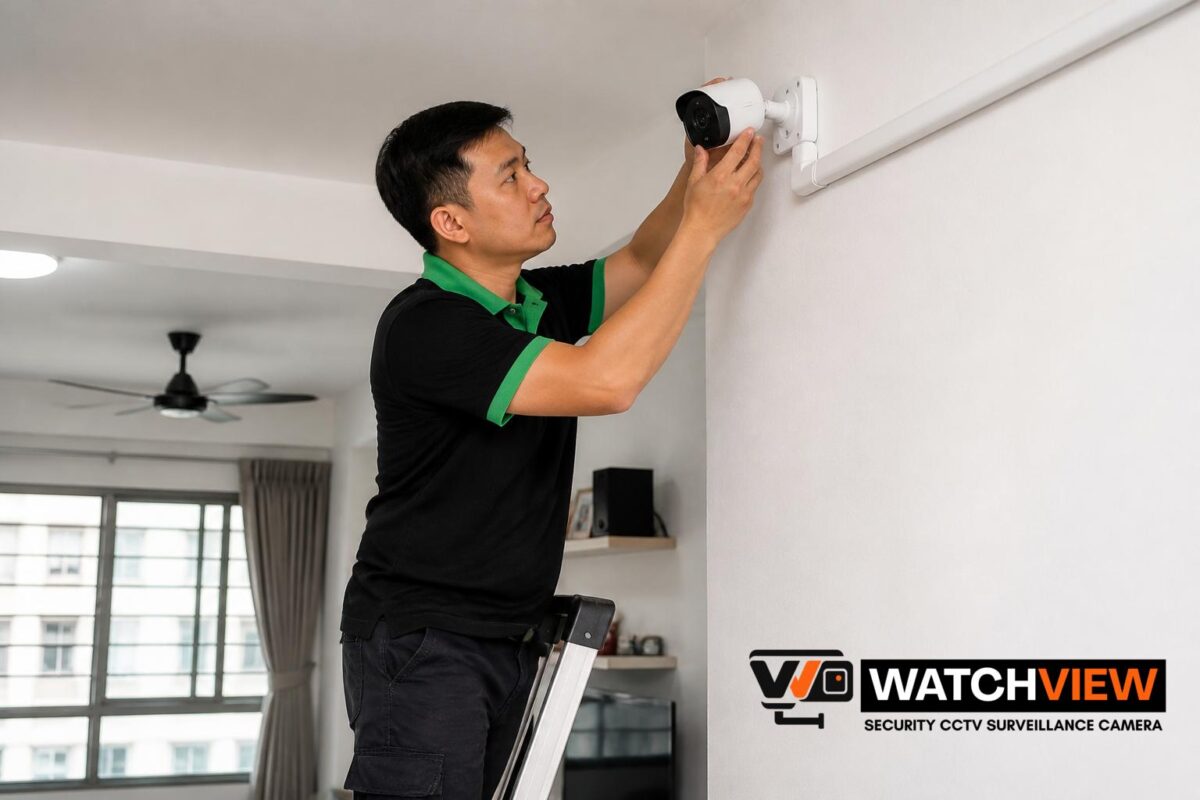
After that, the installer or technician may detach the cameras from ceilings, walls or eaves, remove cabling where required, and tidy up any visible supports. If the home uses structured cabling or concealed routes, extra care is needed to avoid damaging plaster, paintwork or existing conduits. For homes with multiple cameras, removal is often done in a sequence so that each point is handled cleanly.
Things to check before taking a system down
Before any surveillance system is removed, it is sensible to decide what should happen to the footage, storage device and supporting equipment. If recordings are still needed for reference, they should be exported or backed up before the recorder is powered off or dismantled. Once drives are removed or reset, access to older footage may no longer be possible.
It is also worth checking whether the cameras are part of a shared setup, such as one tied to a home network, smart app or remote viewing account. If so, those links should be reviewed before the equipment is taken down. For rented homes and condominiums, it may be helpful to confirm what belongs to the owner or tenant and what should remain in place.
- Confirm whether footage needs to be saved first.
- Identify which cameras, cables and recorders are part of the system.
- Check if any equipment is mounted on shared or hard-to-reach areas.
- Decide whether only the devices or the full cabling should be removed.
Why the type of property affects the work
Singapore homes vary quite a lot, and that affects how removal is done. In an HDB flat, cameras may be mounted on concrete walls, near doorways or along corridors, which usually means careful handling of drill points and surface finishes. In a condominium, there may be more attention to common areas, management rules and the neatness of the final result. Landed homes can involve longer cable runs, higher placements and more varied mounting surfaces.
Because of these differences, surveillance system removal should be treated as a site-specific task rather than a one-size-fits-all job. A tidy removal in one home may simply involve unscrewing a few fixtures, while another home may require cable tracing, safe disconnection and follow-up cosmetic repair work.
Common issues that come up during removal
One of the most common issues is surface damage around old mounting holes. Even when cameras are removed carefully, the wall finish may show marks where brackets or trunking were fixed. Another common issue is leftover cabling that was routed through cupboards, ceiling edges or along skirting, which can look untidy if it is not removed or concealed properly.
There may also be technical issues if the system shares a power source, network switch or internet connection with other devices in the home. In those cases, it is important to separate the CCTV equipment without disrupting the rest of the household setup. If the cameras were part of a wired system, unplanned removal can leave loose connectors or open cable ends that should be made safe.
Should you remove it yourself or arrange help?
Some homeowners can remove a basic system themselves if the cameras are easy to reach and the setup is simple. However, many residential CCTV systems in Singapore involve ceiling mounts, concealed wiring, power-point dependencies or recorder equipment that is better handled by someone familiar with the installation. This is especially true if you want the space left neat afterwards.
Professional help is often useful when the system includes multiple cameras, wall or ceiling mounting, structured cabling or equipment that needs to be disconnected without affecting other home devices. It can also be practical if you are preparing for renovation, moving house, ending a tenancy or replacing an older system with a new one.
What a tidy removal should leave behind
A good removal does more than take equipment off the wall. It should leave the home safe, tidy and ready for the next step, whether that is repainting, repair, a new CCTV installation or a complete handover. Ideally, cables are properly isolated or removed, brackets are taken down cleanly and any exposed points are left manageable for the homeowner or contractor.
If a new system is planned later, it can be useful to keep existing cable paths or power support in mind during removal. In some homes, preserving parts of the route can make the next installation easier. In others, a full clear-out is the better option if the layout is changing completely.
If you are planning to remove a surveillance system from a Singapore home, you can WhatsApp WatchView Security CCTV Surveillance Camera Singapore to discuss the property type, number of cameras, supply-and-install versus installation-only scope, intended camera locations, existing equipment, cabling or power-point needs and your preferred schedule: message us on WhatsApp.
Conclusion
Removing a home surveillance system in Singapore is usually a practical job, but the best approach depends on the property, the wiring method, the mounting points and whether you want to keep any footage or equipment. A careful removal protects the home, avoids unnecessary disruption and makes it easier to prepare for renovation, handover or a new CCTV setup later on.
Choose WatchView Security CCTV Surveillance Camera Singapore
WatchView Security CCTV Surveillance Camera Singapore provides practical residential CCTV solutions for homeowners looking to monitor indoor spaces and sheltered areas around their homes. Explore our services to learn more about CCTV surveillance camera, home CCTV, security camera, home security camera, home IP camera and CCTV camera solutions, including both supply-and-install and installation-only arrangements for compatible cameras.
Homeowners can also view our products to explore suitable camera options and refer to our pricing for more information on available installation arrangements. For examples of completed residential setups, visit our projects, while our blogs provide practical information on camera placement, home monitoring, CCTV systems and other considerations when planning CCTV security cameras for home use.
Serving households across Singapore, WatchView Security CCTV Surveillance Camera Singapore focuses on suitable camera coverage, dependable workmanship and straightforward recommendations based on each home’s requirements. Contact us for further enquiries via WhatsApp at +65 8241 0032 to enquire about your home CCTV and security surveillance camera requirements.
Frequently Asked Questions
Do I need to remove the recorder as well as the cameras?
That depends on the system. If you no longer need the recordings or the equipment will not be reused, the recorder and storage drive are usually removed together with the cameras. If you want to keep footage first, export or back it up before the recorder is disconnected.
Can old CCTV cables be left in the wall or ceiling?
In some cases, yes, if they are properly isolated and not causing clutter or safety concerns. However, if the home is being renovated or handed over, many homeowners prefer to remove unused cabling so the space looks neater and future work is easier.
Will removing CCTV damage my walls?
It can leave small holes, marks or surface patches where brackets and clips were fixed. A careful removal reduces the risk of damage, but some touch-up work is often normal, especially for long-standing installations on painted walls or ceilings.