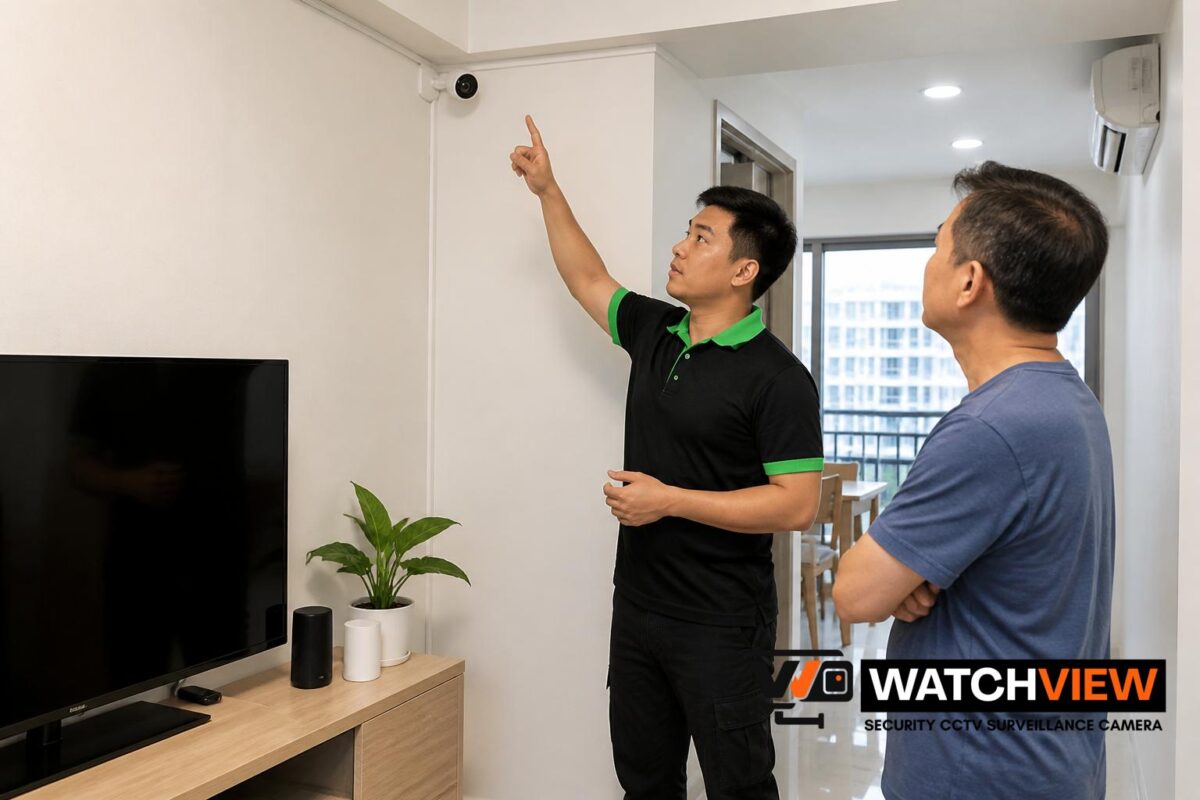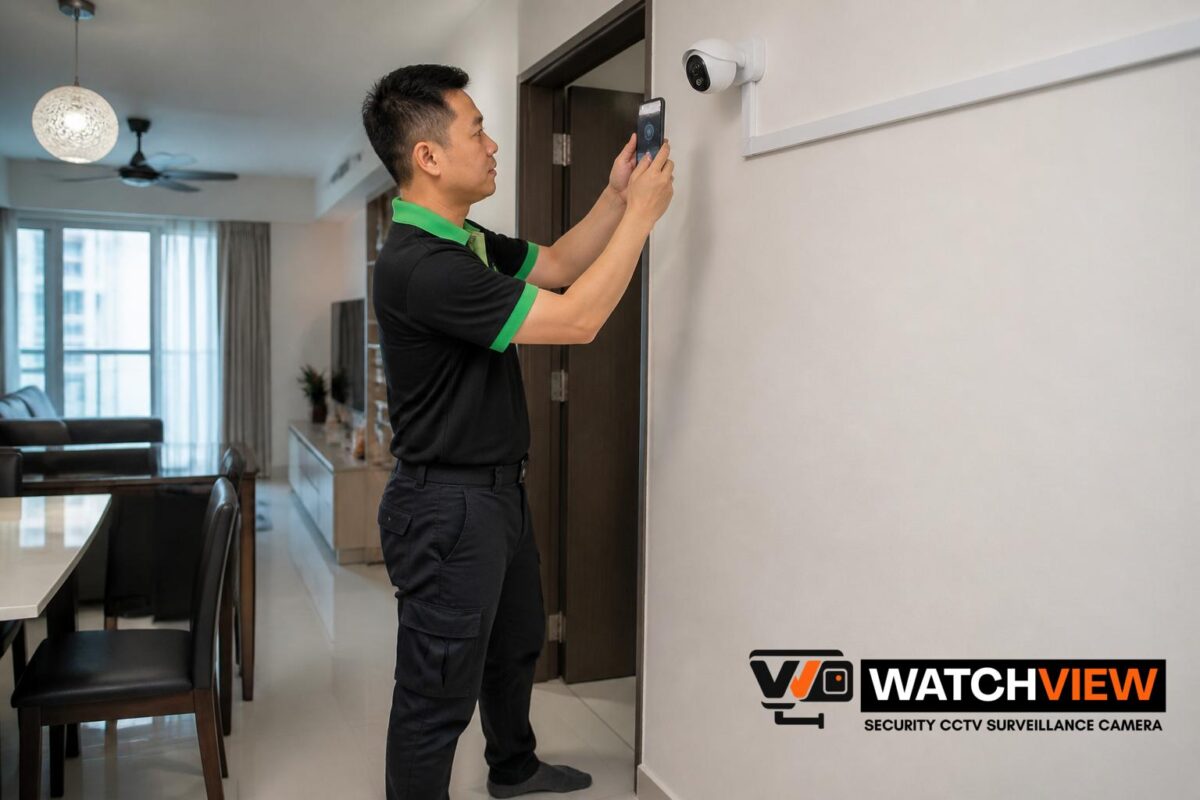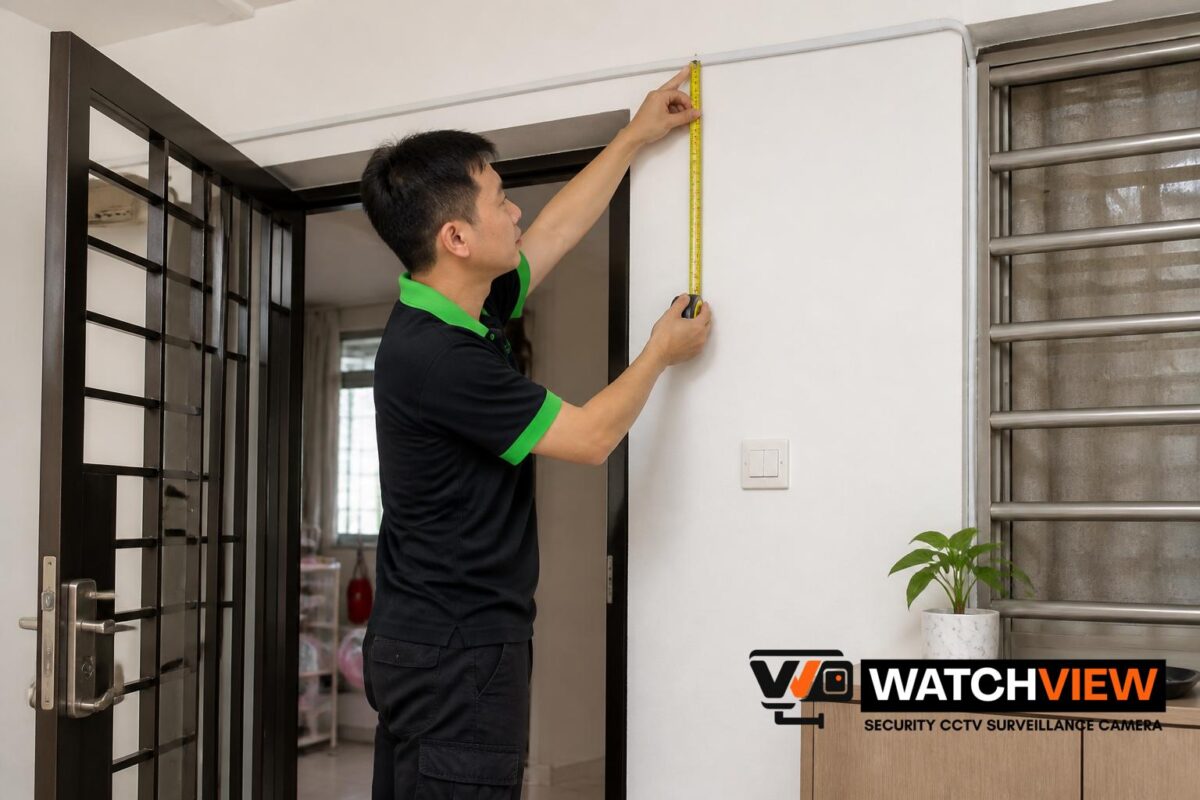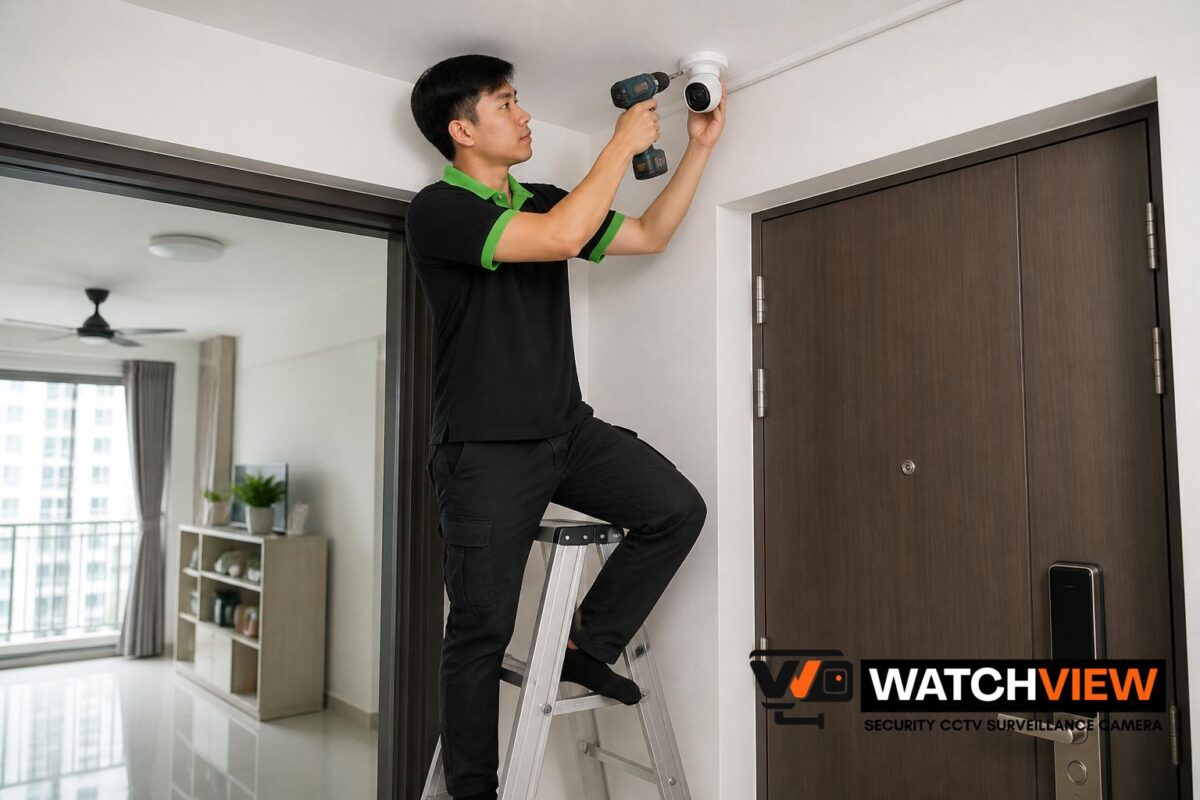

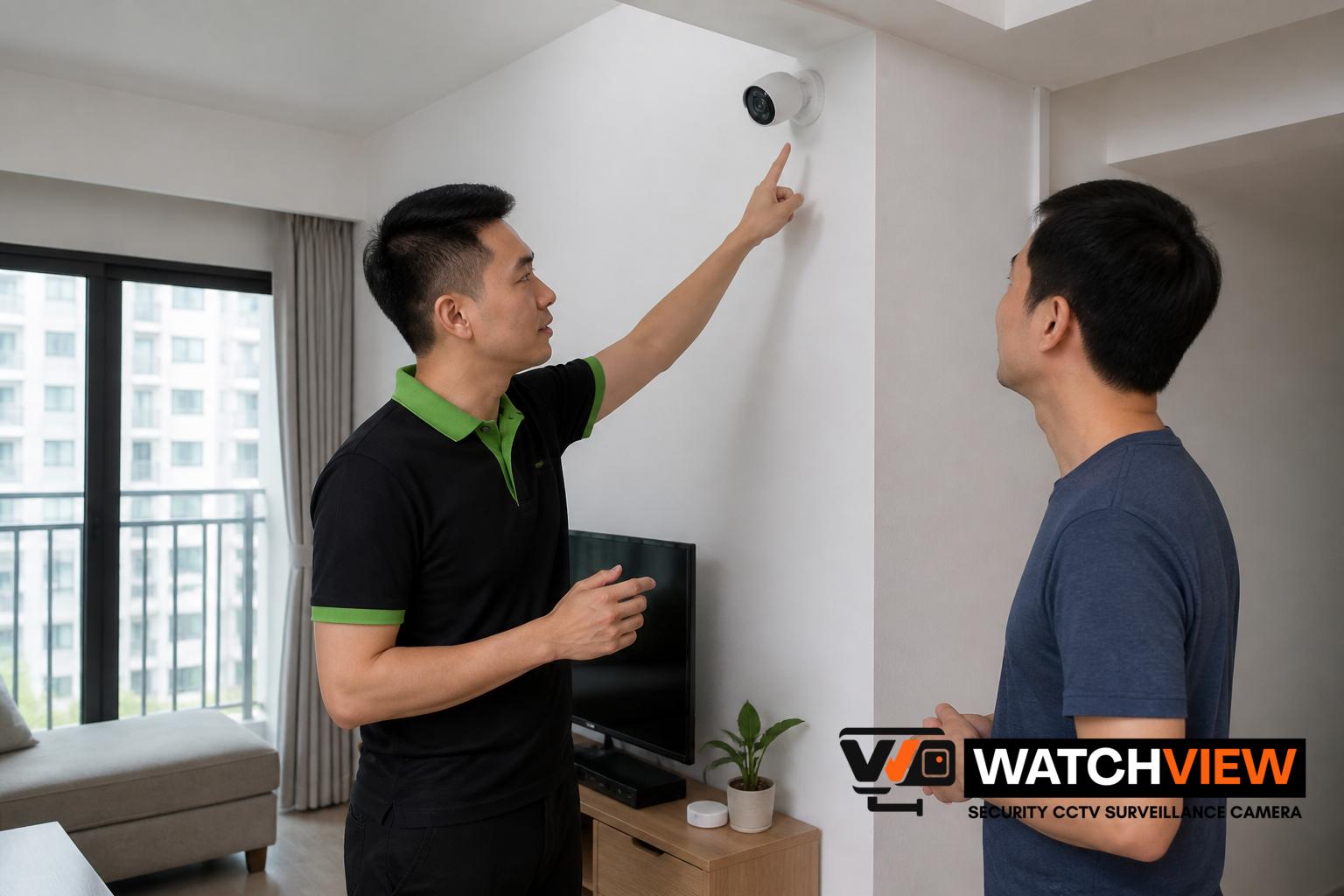
Installing house surveillance cameras across multiple floors in Singapore requires more than simply fixing a few cameras to the wall. A good setup starts with understanding how each level of the home is used, where movement naturally happens, and how to run cables or power safely and neatly through the property. In a multi-storey house, the installation plan should help each camera cover the intended area without creating blind spots, exposed wiring or awkward mounting positions.
Why multi-floor homes need a planned CCTV layout
In landed homes and larger maisonettes, each floor usually serves a different purpose. The ground level may include the main entrance, driveway or patio, while upper floors may have corridors, stair landings, family areas or balcony access points. Because of this, one camera position rarely covers everything effectively. A structured plan helps determine which areas need monitoring and how each camera should be angled for useful coverage.
For Singapore homes, planning is also important because wall types, ceiling heights and existing electrical points can vary widely. A camera that works well on one floor may not be ideal on another if the cabling route is too long or the power source is not suitable. The goal is to place the cameras logically so that the installation remains practical, discreet and maintainable.
Assessing entry points, stairways and shared movement areas
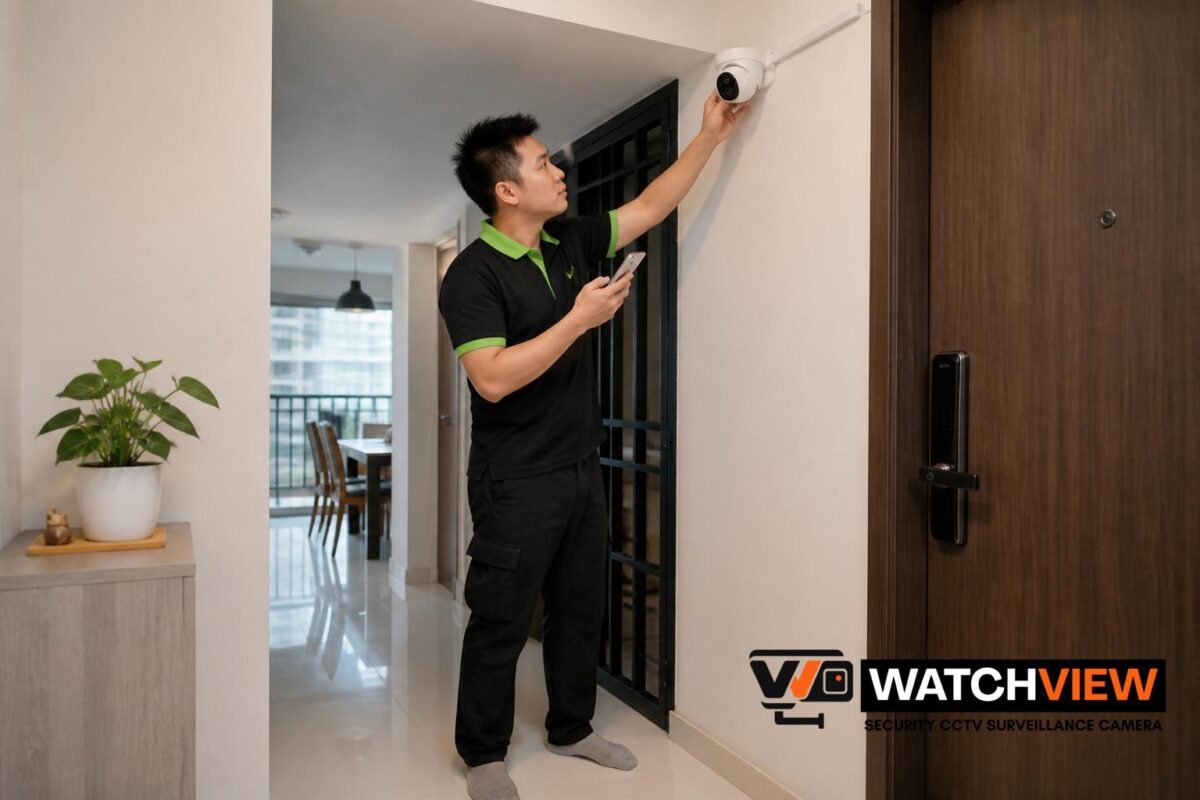
The most common priority areas in a multi-floor home are entrances, staircases and internal passageways. These are usually the places where movement from one level to another is captured best. A camera installed near the front door may cover visitors arriving at the property, while a camera positioned towards the staircase can help monitor movement between floors.
It is also useful to look at areas where different floors connect, such as stair landings or open voids. These spots often allow a wider viewing angle and reduce the number of cameras needed. However, the installation should still be balanced so that no important area is overexposed to glare, excessive ceiling height or poor lighting.
Choosing the right mounting position on each floor
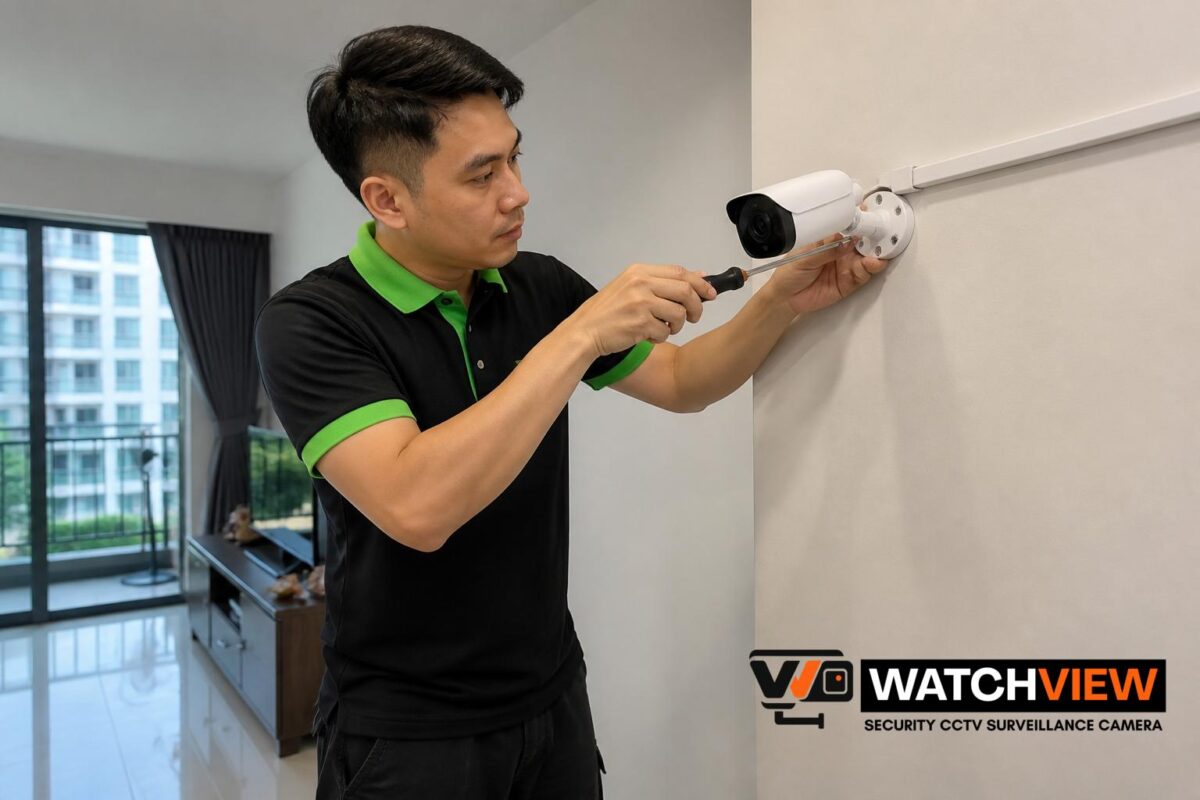
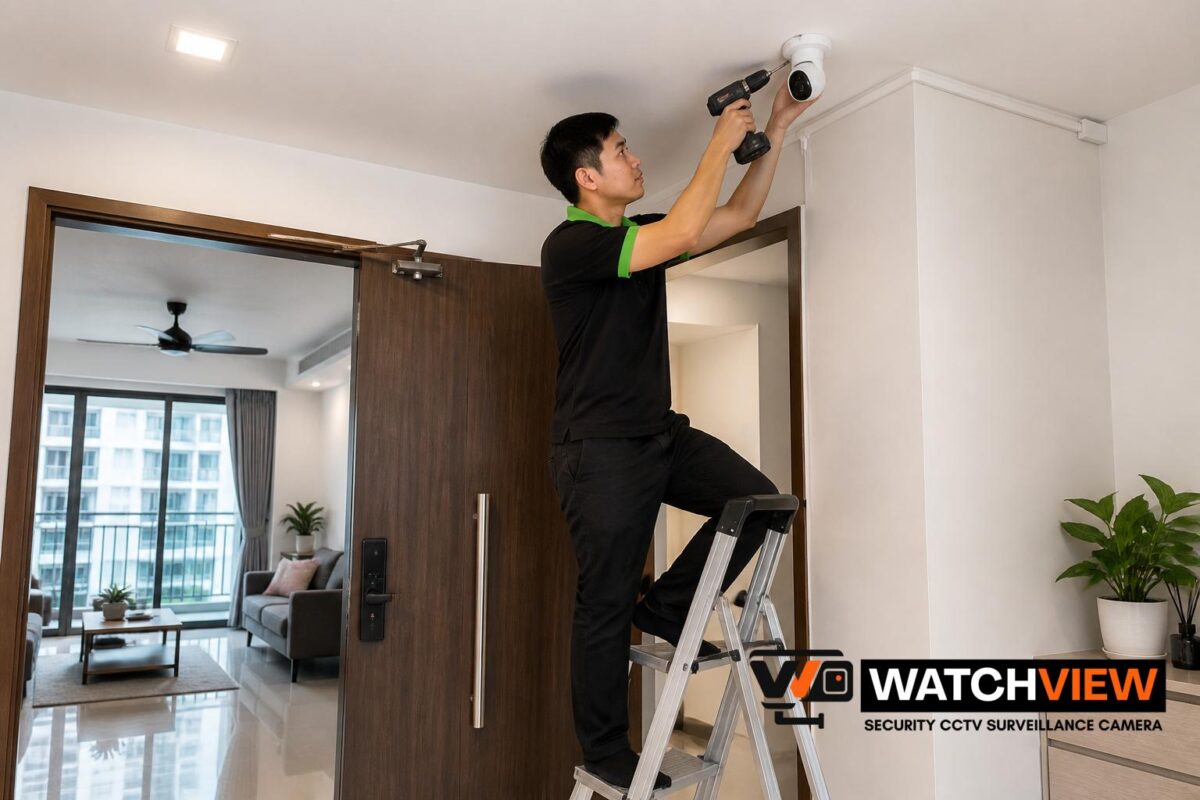
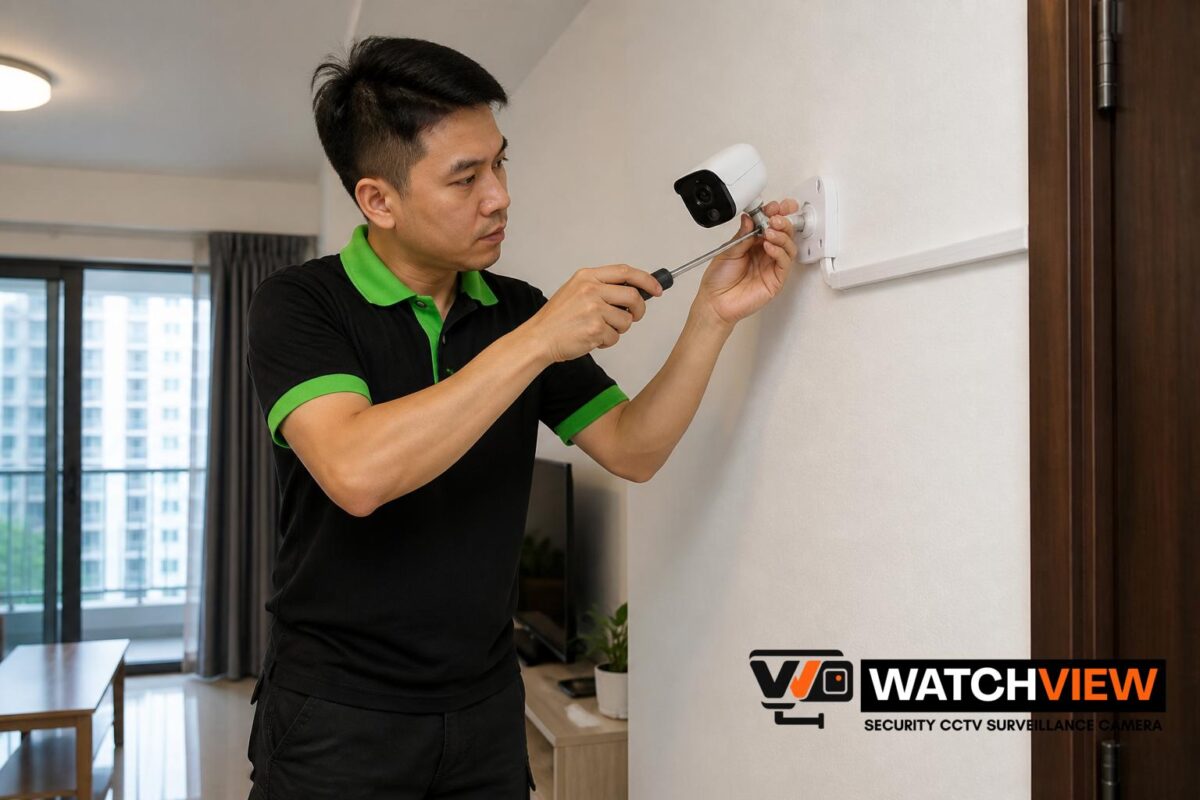
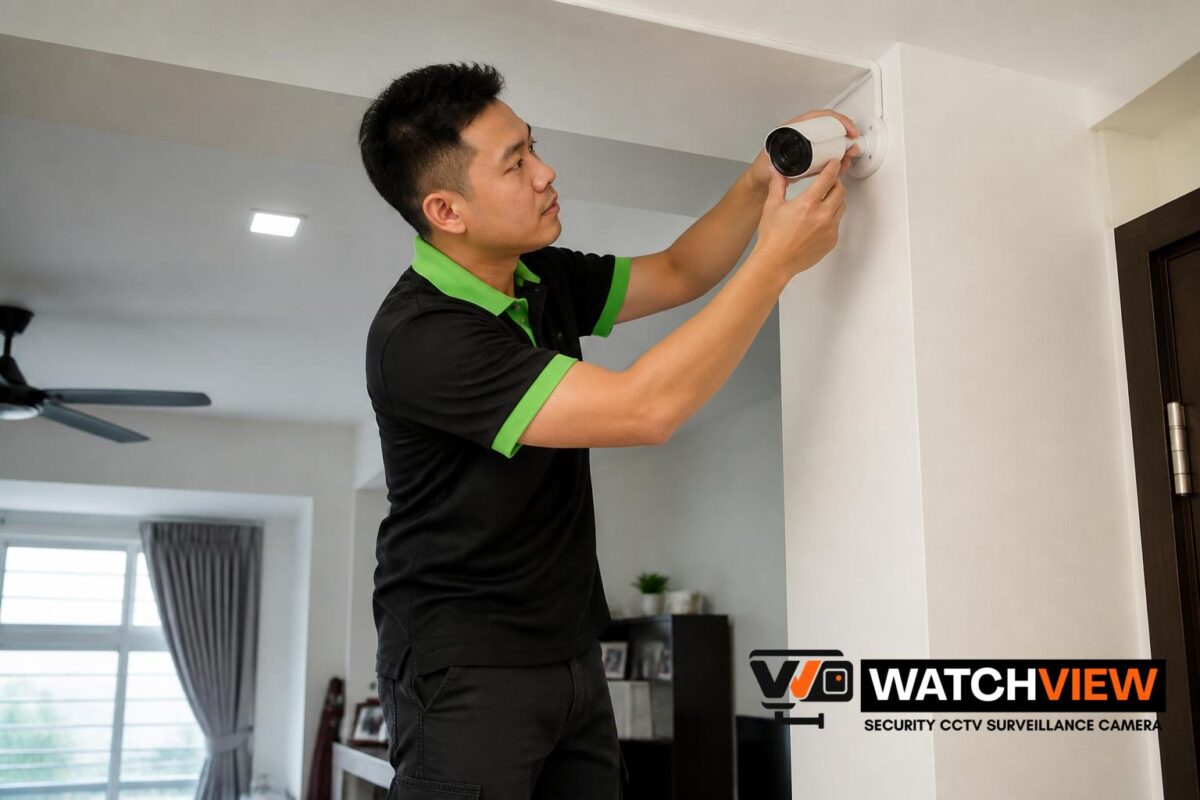
Each floor may require a different mounting style depending on the layout. Wall mounting can be suitable when a camera needs a strong directional view of a corridor or entrance. Ceiling mounting may be preferred for central indoor spaces or landings where a broader overhead view is needed. In some homes, a corner position gives the clearest perspective across a staircase or open area.
At the same time, the installer must avoid positions that create blocked views behind pillars, beams or decorative features. In multi-storey homes, even a small change in angle can affect what the camera sees on the next floor. Careful placement helps keep the footage practical and reduces the need for frequent readjustment after installation.
Running cabling neatly between floors
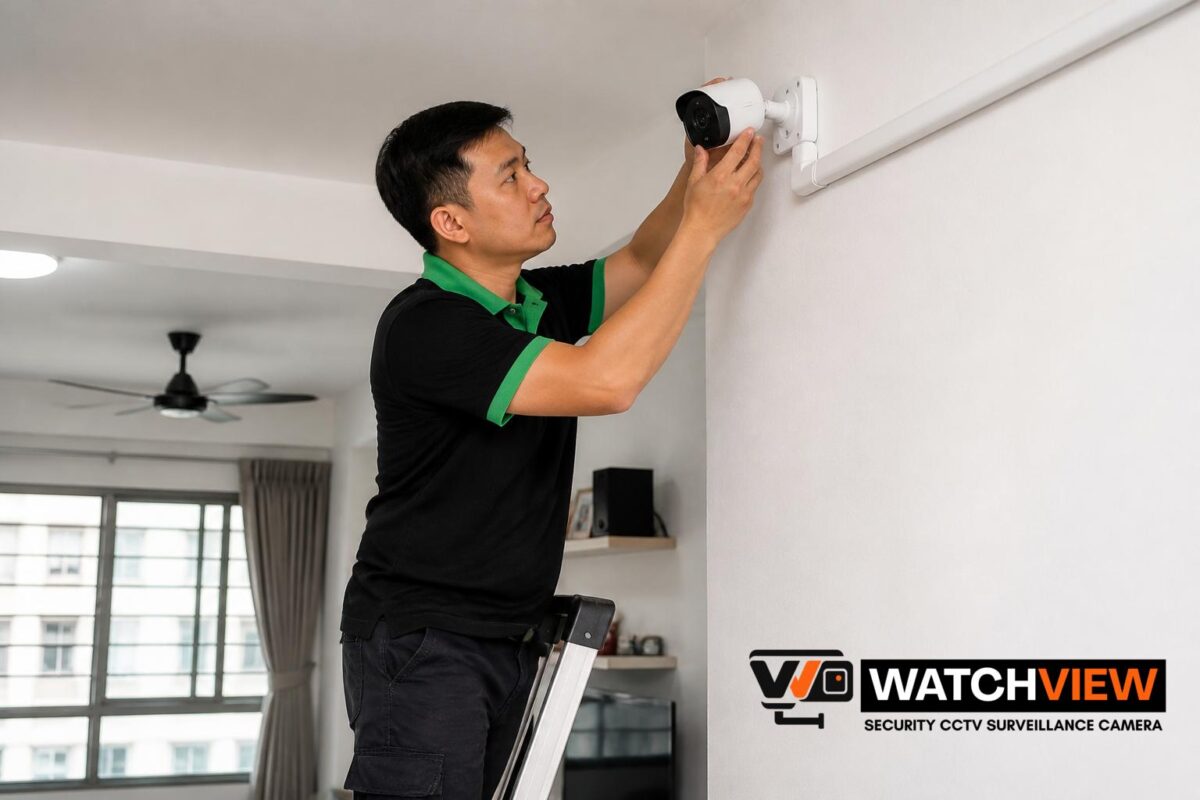
Wired CCTV installations across several floors need proper cable routing from the start. In a Singapore house, this may involve running cables along skirting lines, through ceiling voids, or inside conduits to reach each camera location. The aim is to keep the wiring protected, neat and as unobtrusive as possible while still allowing reliable power and data transmission.
For multi-floor homes, the distance between cameras and the recorder or network point should be considered carefully. Longer cable runs may need more planning so that the installation stays tidy and serviceable. Good workmanship also matters here, because cables that are left exposed or loosely fixed can look messy and may be more difficult to maintain later.
Power points, equipment locations and practical setup
Another key part of the installation is deciding where the main equipment will sit. The recorder, switch or network device is often placed in a secure indoor location that is accessible for future checks but not in the way of daily household activity. The position should support the required cable lengths for the cameras across all floors.
Some cameras may be installed close to existing power points, while others may need additional support depending on the layout of the house. In a residential CCTV installation, the setup should be planned so that power access is safe and sensible, without creating unnecessary extensions or clutter. This is especially important in homes where each floor is used differently and the camera points are spread out.
Balancing coverage, privacy and everyday use
Multi-floor CCTV should be designed to capture relevant areas without feeling intrusive in daily living spaces. For example, a camera may be suitable for a staircase landing, but not necessarily for a private bedroom entrance or family seating area unless there is a clear household reason for it. The layout should match the family’s monitoring needs while remaining practical for normal use of the home.
It is also sensible to think about how each floor is used at different times of day. A hallway that is well lit in the evening may appear very different in the morning. During installation, camera angle, height and field of view should be adjusted with these changes in mind so that the footage remains useful across typical household conditions.
What professional installation typically includes
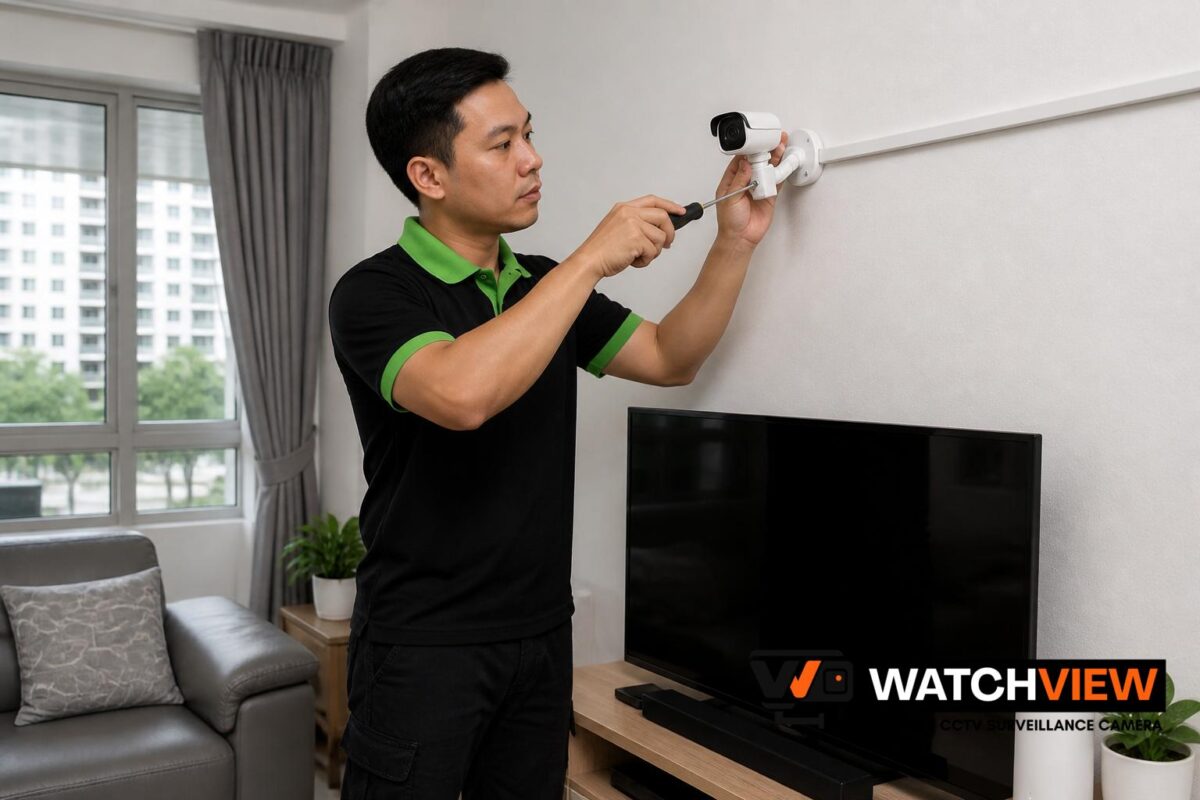
For a residential wired CCTV setup, professional installation generally includes camera placement planning, secure mounting on walls or ceilings, basic cable routing, connection to the recording or network equipment, and final testing. Where needed, installation-only support can also be provided for homeowners who already have their own cameras and only require proper fitting and setup.
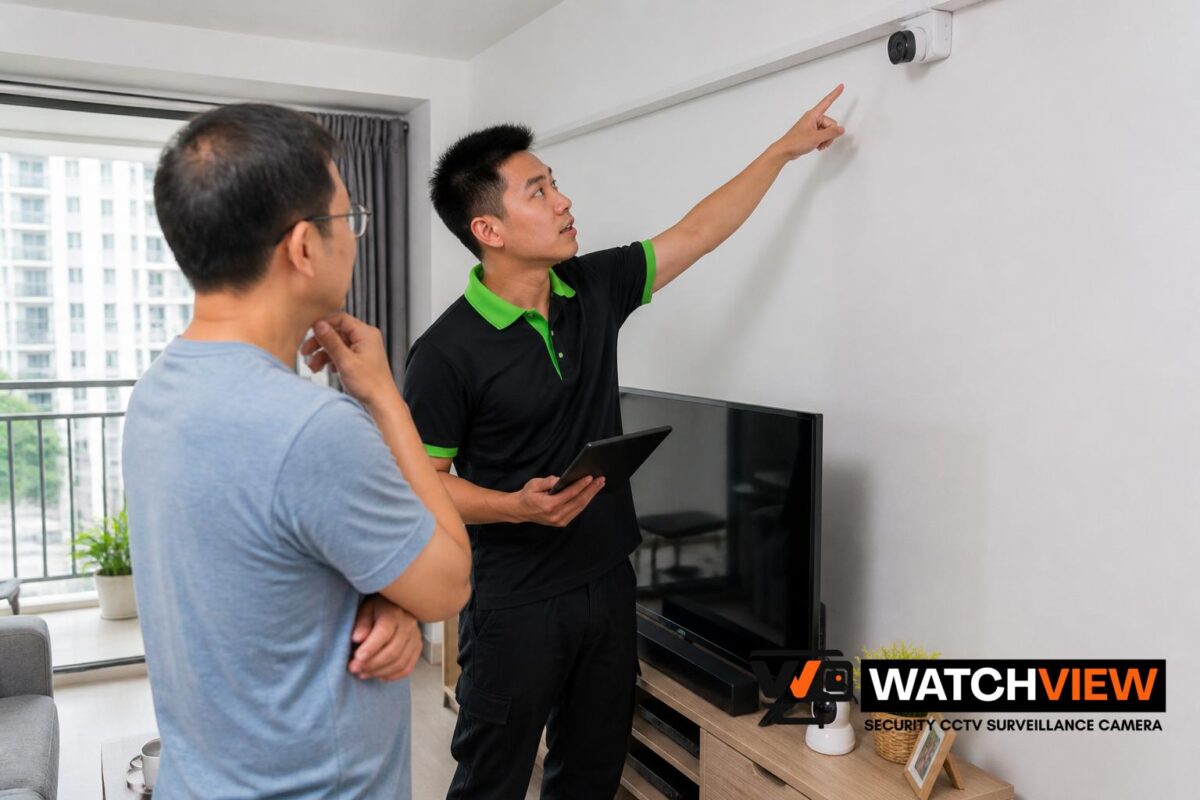
In a multi-floor house, the final test is especially important. Each camera should be checked for view angle, image clarity, cabling stability and day-to-day accessibility. This helps confirm that the cameras are working as intended across the different levels of the home and that the overall arrangement is practical for long-term use.
If you are planning CCTV for a house with multiple floors, WhatsApp WatchView Security CCTV Surveillance Camera Singapore to discuss your property type, number of cameras, supply-and-install or installation-only needs, preferred camera locations, existing equipment, cabling or power-point requirements and schedule: message us here.
Conclusion
Installing house surveillance cameras across multiple floors in Singapore works best when the layout is planned around entrances, stairways, movement routes and practical cabling paths. A careful approach helps each camera cover its intended area while keeping the installation neat, safe and suitable for everyday living. When the placement, wiring and power access are all considered together, the result is a more reliable residential CCTV setup that fits the home properly.
Choose WatchView Security CCTV Surveillance Camera Singapore
WatchView Security CCTV Surveillance Camera Singapore helps homeowners set up CCTV, CCTV camera and CCTV surveillance camera solutions for residential monitoring across Singapore. Our services include home CCTV, home security camera, home IP camera and security camera setups for indoor areas as well as suitable sheltered locations outside HDB doors or gates.
Whether you are planning a new camera setup or already have compatible equipment, you can browse our products to explore available options and review our pricing for more information on the installation arrangements offered. Our projects also provide examples of completed residential camera works, while our blogs cover practical topics such as camera selection, positioning, viewing areas and home monitoring considerations.
With a focus on straightforward recommendations, suitable camera coverage and dependable installation, we support homeowners with camera setups suited to their property and monitoring needs. For further assistance, contact us via WhatsApp +65 8241 0032 to enquire about your residential camera requirements.
Frequently Asked Questions
How many cameras are usually needed for a multi-floor house?
The number depends on the size of the home, how many entrances it has and which floors need coverage. A compact home may only need cameras at the main access points and staircase, while a larger landed property may need additional cameras for side access, upper landings or outdoor areas.
Can CCTV cables be routed between floors neatly?
Yes. With proper planning, cables can often be routed through ceiling spaces, along concealed paths or inside protective conduits. The best method depends on the house layout, existing access points and how visible the homeowner wants the wiring to be.
Is installation-only support suitable if I already bought my own cameras?
It can be, provided the cameras are suitable for the home’s layout and the installation requirements are clear. Installation-only support is useful when you already have the equipment and simply need secure mounting, cable routing and basic setup across the different floors of the property.