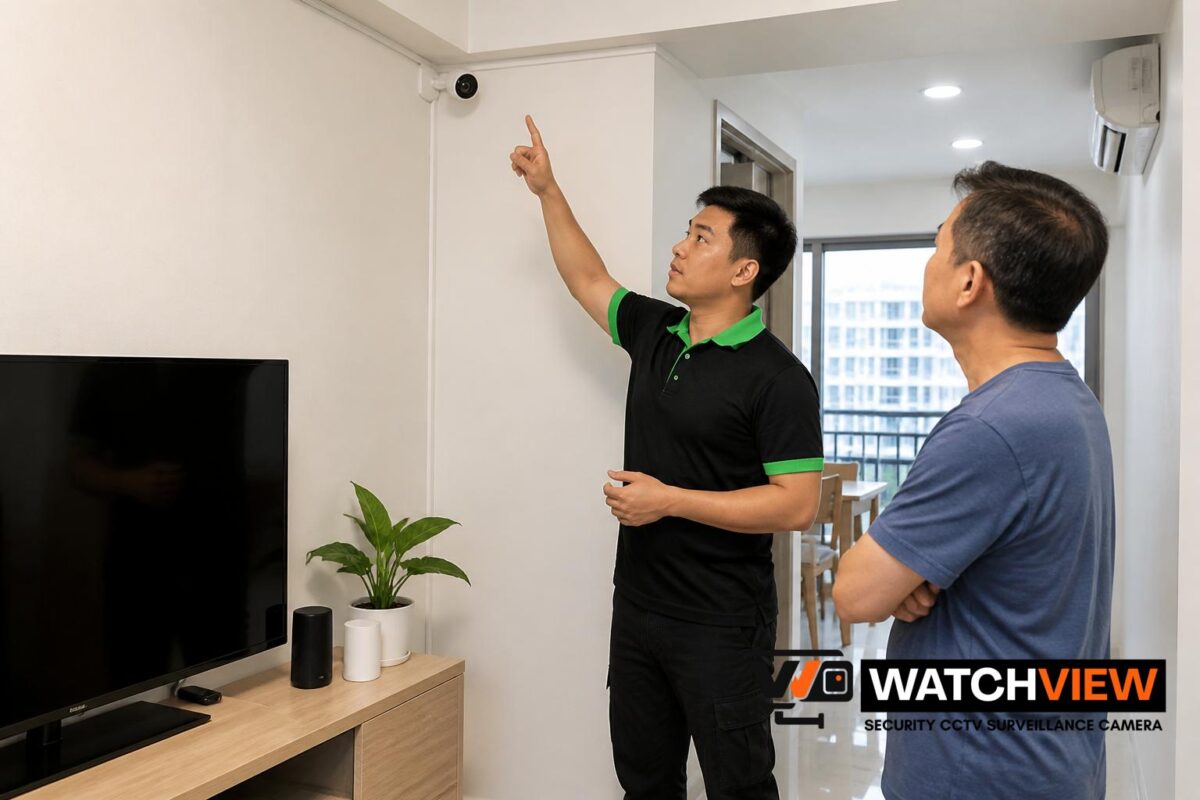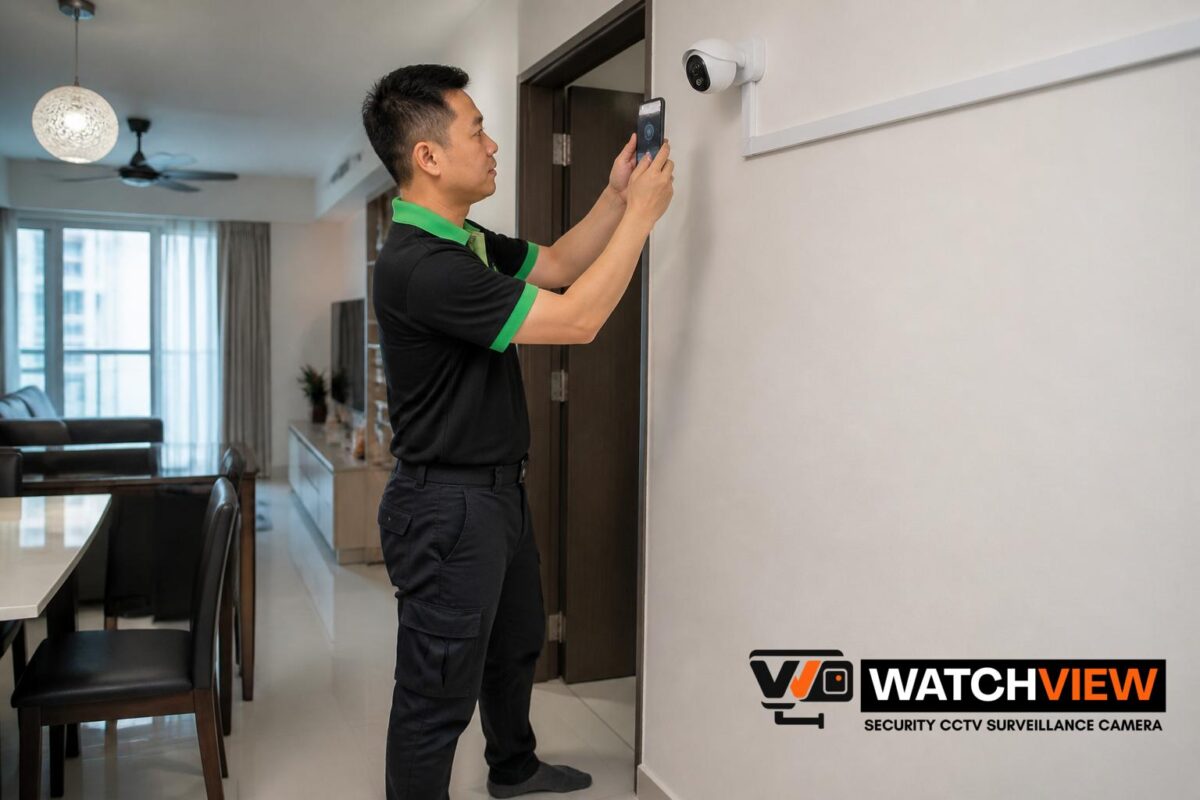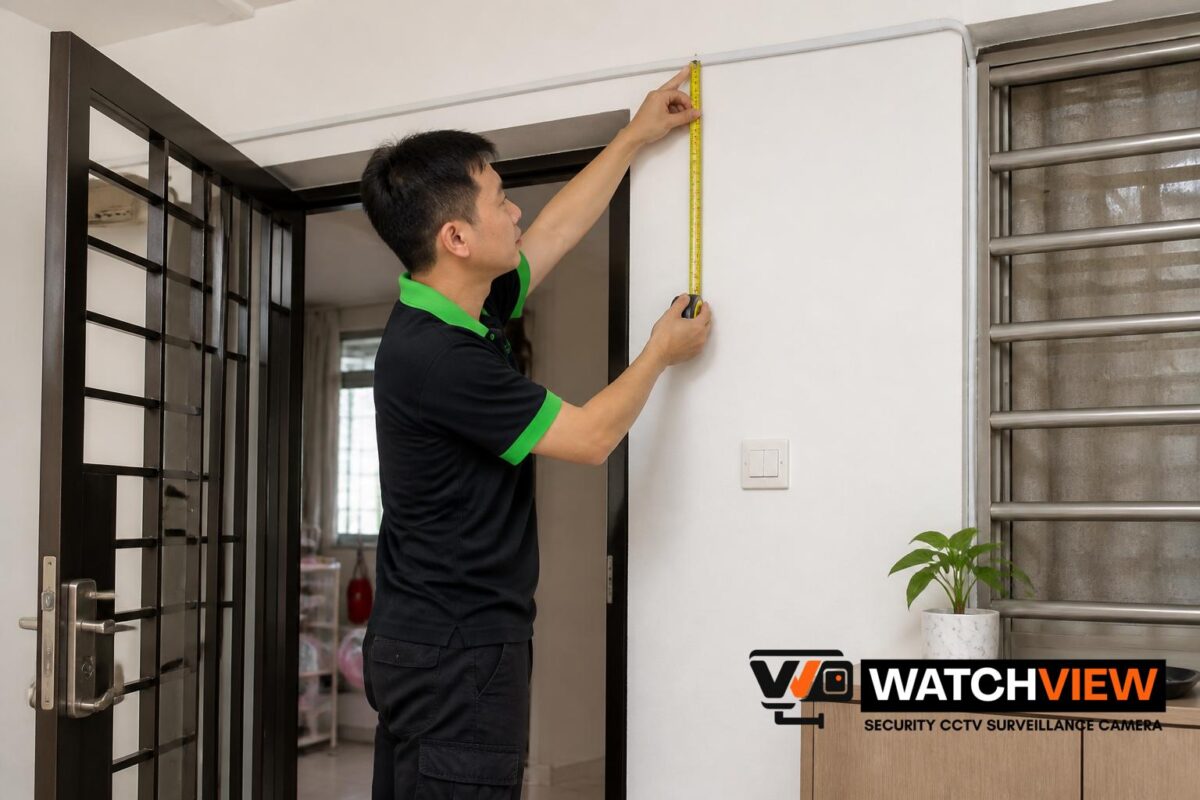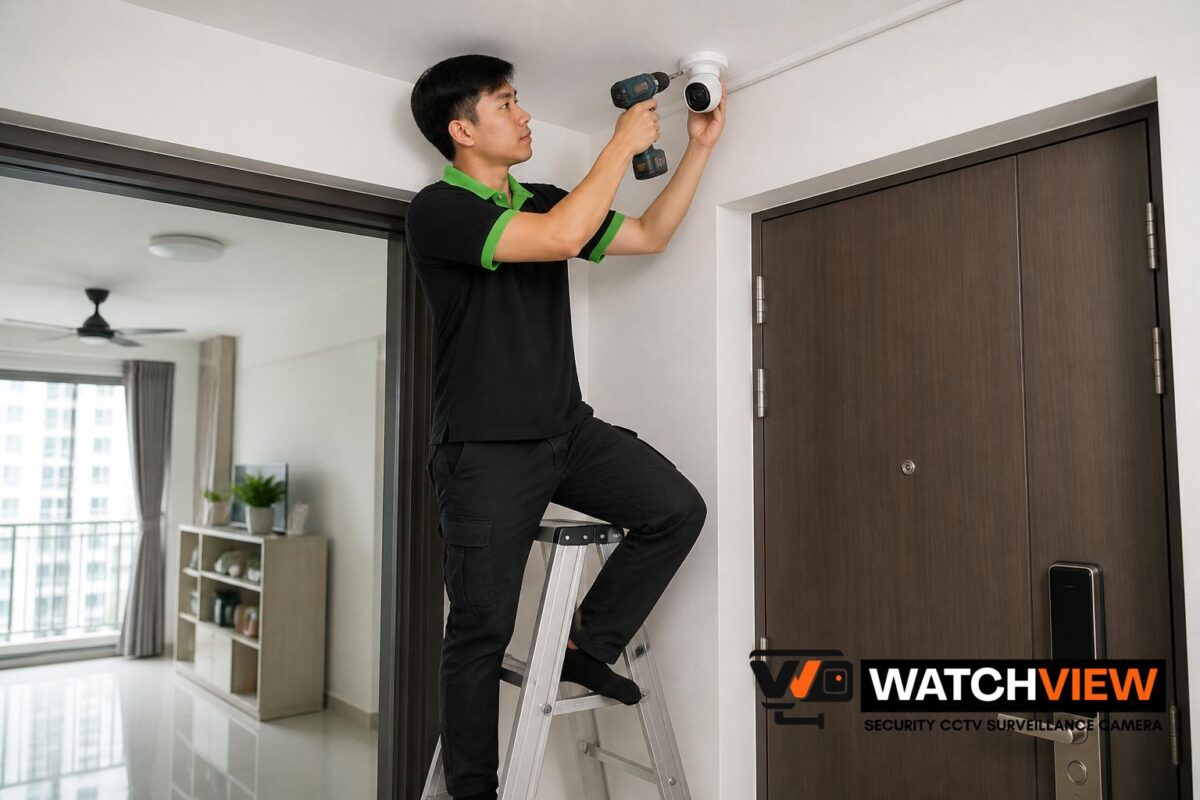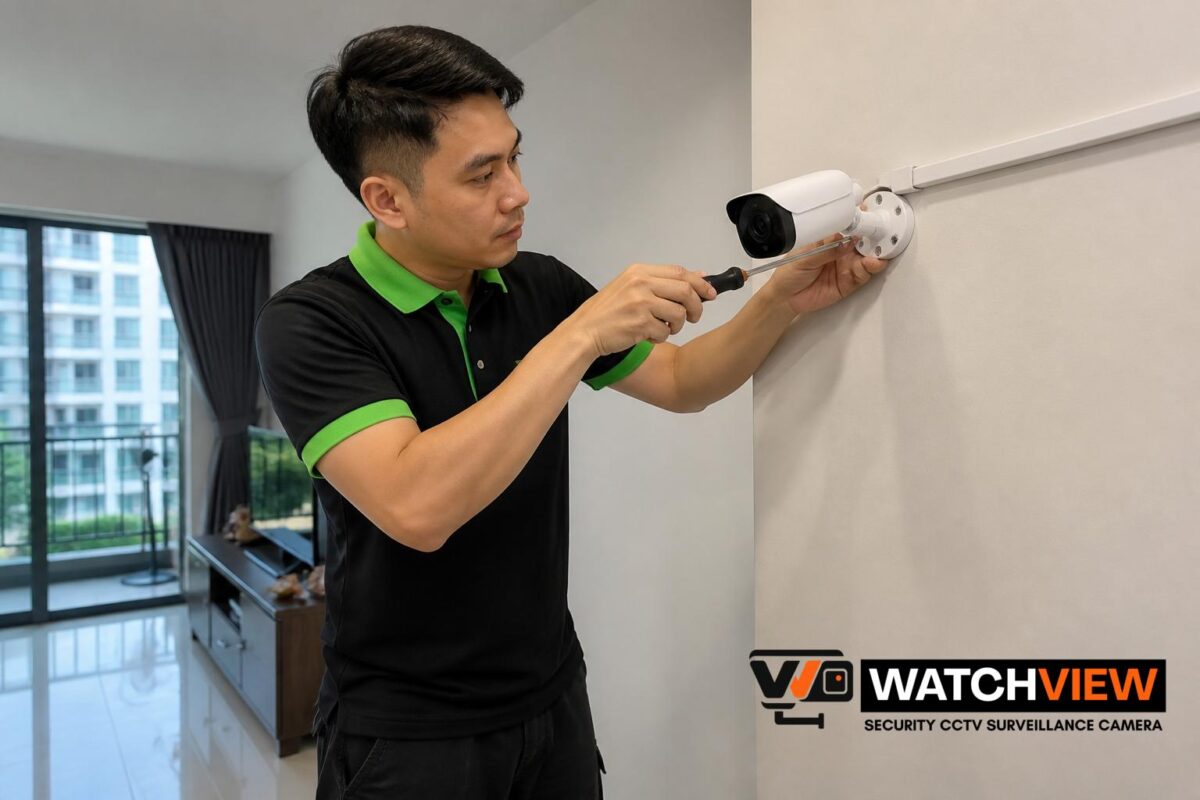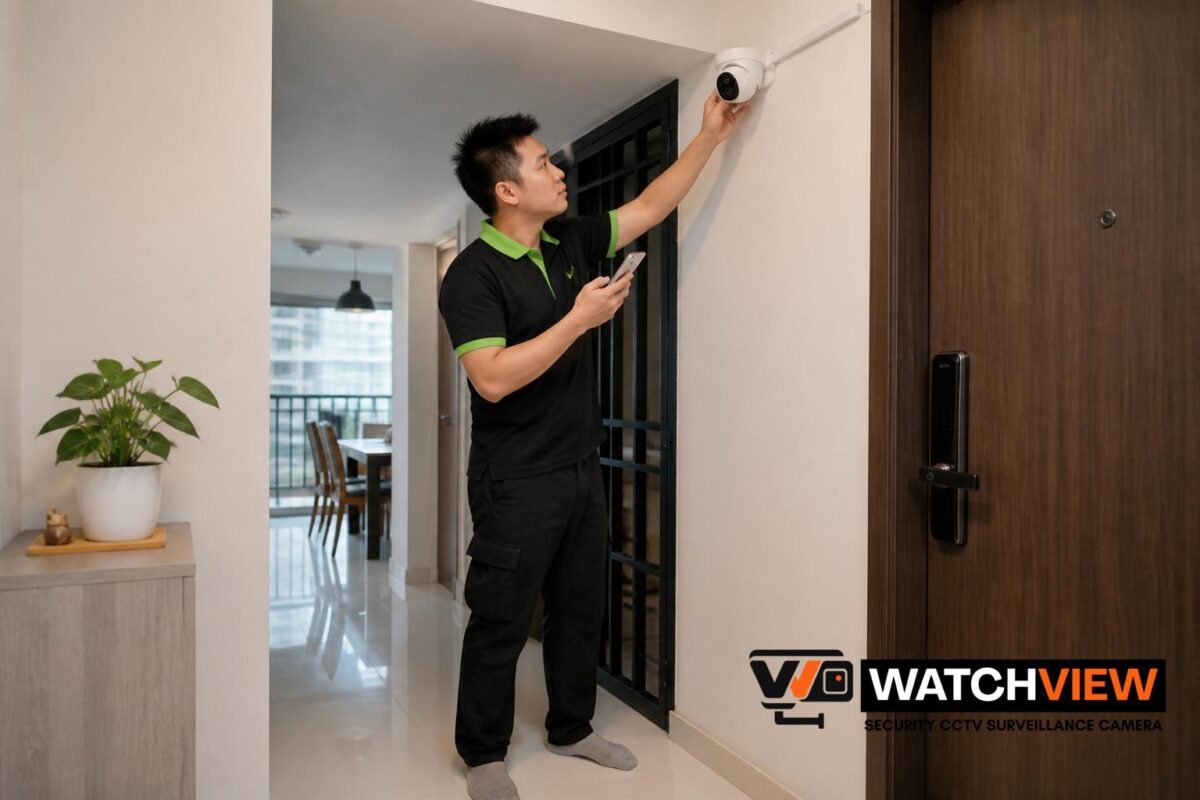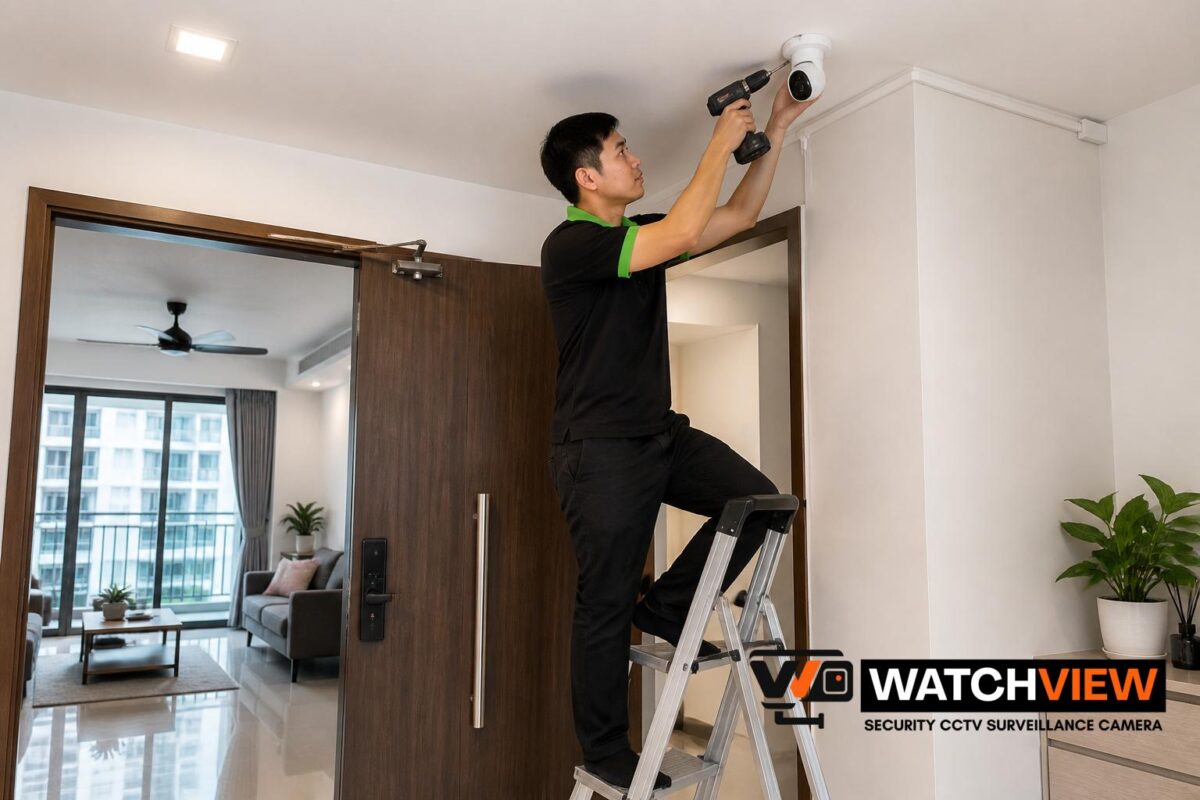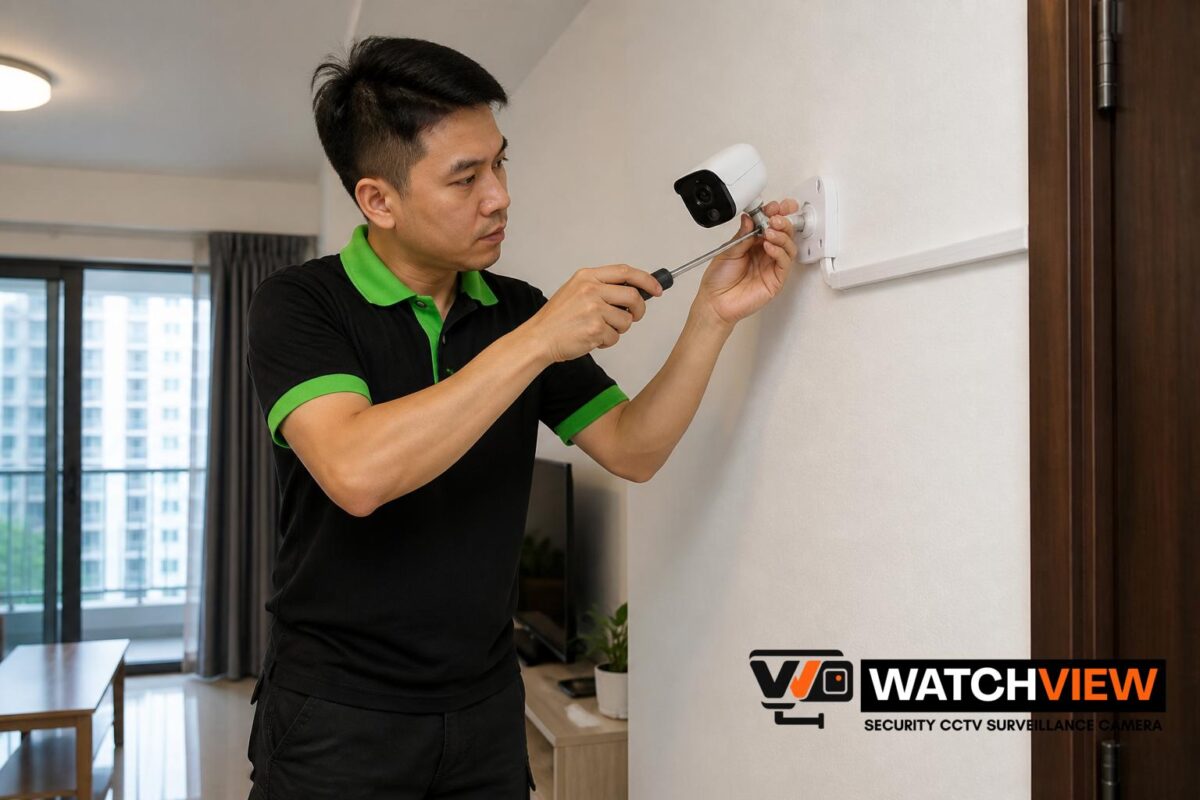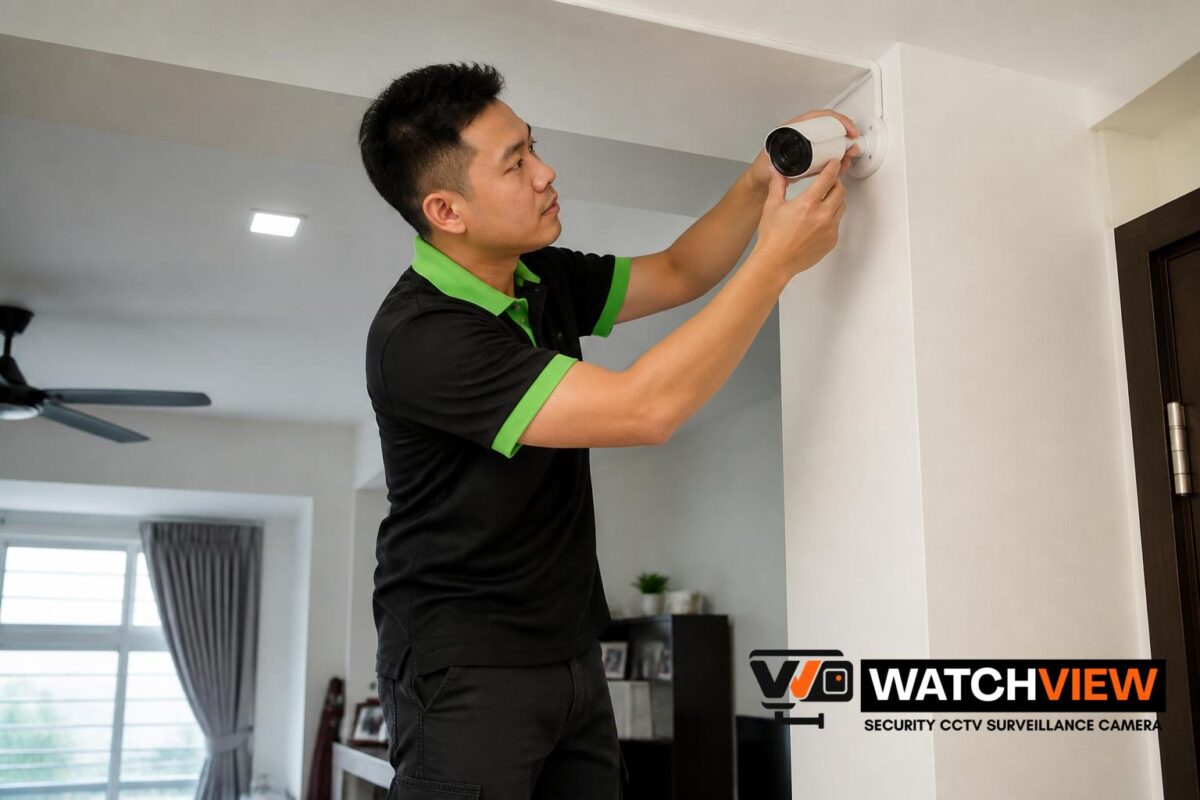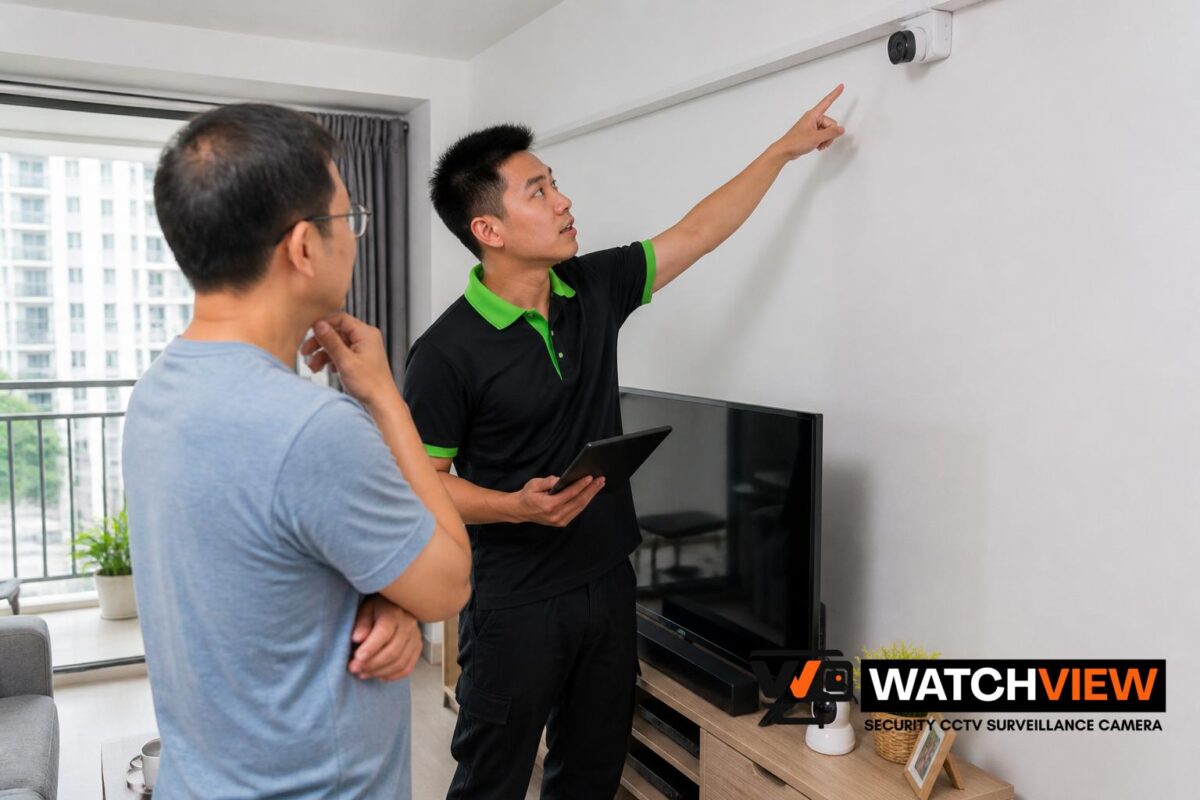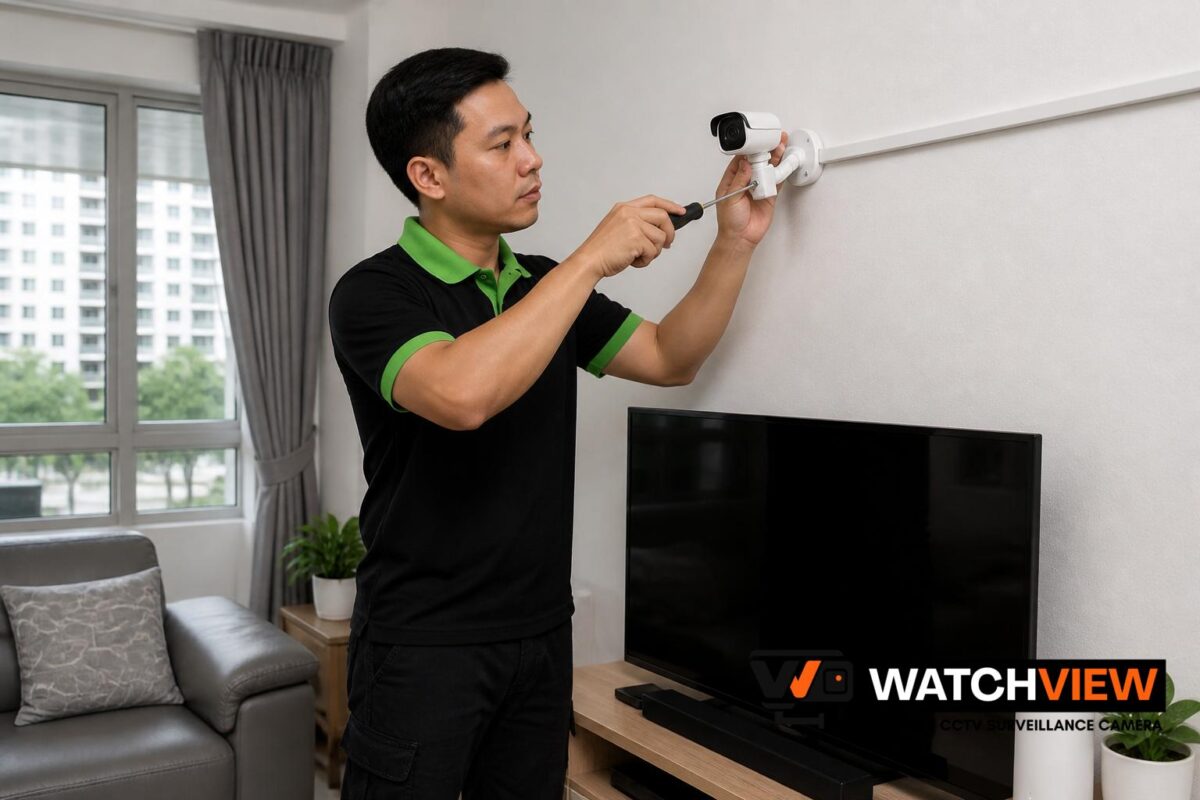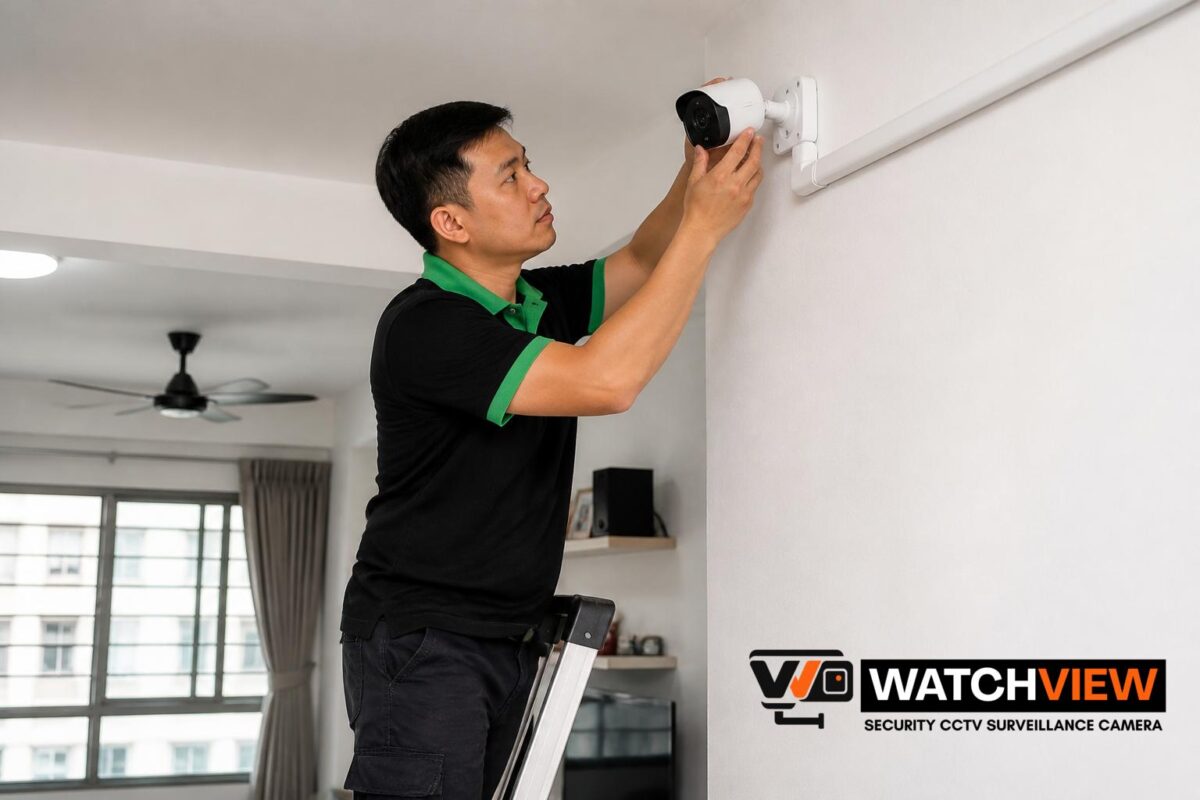

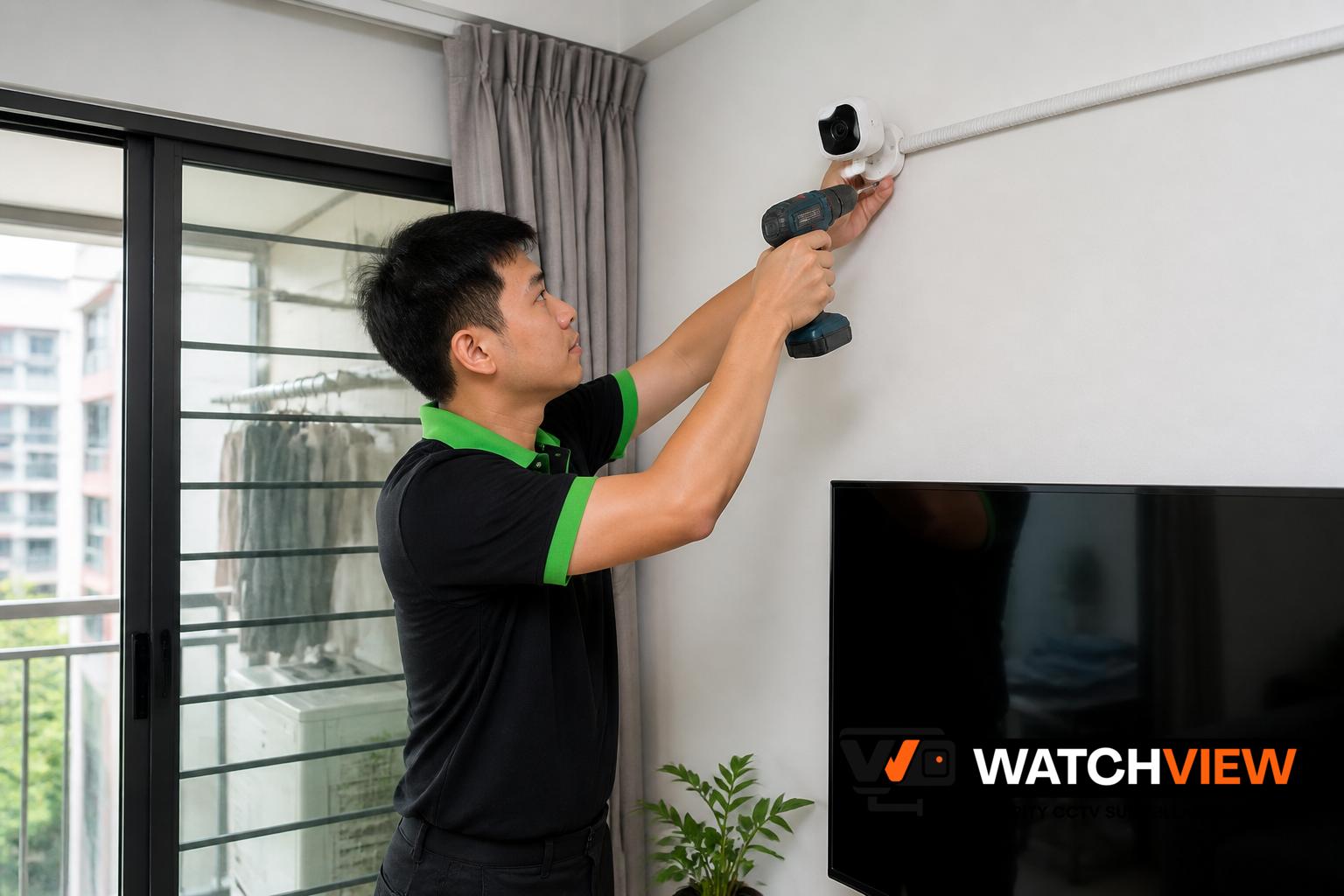
Surveillance camera installation in Singapore is shaped not only by the type of camera chosen, but also by the property itself. In an HDB flat, the layout, renovation rules and shared common areas create one set of practical considerations. In a condominium, the building’s estate rules, management approval process and more varied unit layouts can change the way a CCTV system is planned and installed. Understanding these differences helps homeowners decide where cameras should go, what type of cabling is suitable and whether the job is best handled as supply-and-install or installation-only.
Why the property type matters before any camera is mounted
HDB flats and condominiums in Singapore are both residential homes, but they are not installed in exactly the same way. The main differences usually come down to physical access, cabling routes, rules on visible equipment and whether any common-area boundaries are involved. A straightforward bedroom or living room camera may be installed in a similar manner in both settings, but an entrance-facing unit camera or balcony camera can require more careful planning.
For this reason, the installer typically needs to assess the home layout first. The best camera position is not just about viewing angle; it must also account for power access, neat cable routing, ceiling or wall mounting points and how much alteration the property allows. In Singapore homes, these details often determine how tidy and practical the final CCTV installation will be.
How CCTV installation in HDB flats is usually planned
HDB flats often present simpler internal layouts, especially in standard three-room to five-room units, but the installation still needs to respect the home’s finished surfaces and any renovation work already completed. Many homeowners want camera coverage near the main entrance, living area, service yard or corridor-facing side of the flat. The installer will need to work around existing electrical points and find a route that keeps cable runs as discreet as possible.
In an HDB setting, the installer may also need to consider how to mount the camera securely on concrete walls or ceilings. If the camera is wired, the cable path to the recorder or router must be planned so that it does not disrupt the appearance of the flat. Where a power point is needed, the location must be practical and safe, especially if the camera is placed near the entrance or a corner of the living area.
For many HDB homeowners, installation-only support is common when they already have a camera set. In that case, the focus is on proper mounting, cable management and basic setup rather than equipment supply. If the camera system is being purchased together with installation, the installer can also advise on suitable coverage for the flat’s layout.
How CCTV installation in condominiums can be more restricted
Condominiums often have more rules around changes to fixtures, visible cabling and any work that affects shared spaces. Even within the unit, the estate or management may have guidelines on drilling, external-facing cameras or equipment placed on balconies and entry points. As a result, the installation process may require more checks before work begins.
Many condo units also have different floor plans, premium finishes and larger entrance foyers, which can affect where cameras are placed. Some units are easier to cable neatly because of dropped ceilings, concealed services or built-in cabinetry. Others may be less convenient if the homeowner wants to avoid visible wiring or if the camera has to cover a more complex entry zone.
Because of these differences, a condo CCTV installation is often more dependent on site planning. The installer may need to confirm the best route for cabling, whether a camera can be fixed to the chosen surface and whether the system needs a nearby power source. In some cases, the decision between wireless and wired cameras is also influenced by the building’s restrictions and the homeowner’s preference for a stable, permanent setup.
Mounting, cabling and power access are handled differently in each setting
One of the clearest differences between HDB flats and condominiums is how cables and power are managed. In both property types, a neat installation usually depends on keeping cable runs short, safe and well-hidden. However, condos may allow more flexible concealment options inside the unit, while HDB flats can involve more direct routing because of the way walls and ceilings are constructed.
Secure mounting is equally important in both homes. A surveillance camera needs to sit firmly on a wall or ceiling, with the angle set correctly for the intended view. If the camera is too high, important details may be missed; if it is too low, it may become vulnerable to tampering or limited by furniture placement. The installer must therefore align the mounting point with the room layout and the homeowner’s usage habits.
- HDB flats: installation often focuses on practical coverage of entrances, living spaces and service areas, with careful drilling and tidy visible cable management.
- Condominiums: the process may require extra attention to estate rules, finish protection and more discreet routing around decorative interiors.
- Both: power-point planning is essential if the camera or recording equipment needs a reliable supply near the chosen location.
Camera placement priorities are not exactly the same
In HDB flats, homeowners commonly prioritise the main entrance, corridor-facing areas, and key indoor spaces where activity is most likely to be monitored. Since the flat is usually compact, one or two well-positioned cameras may provide useful coverage without overcomplicating the system. The challenge is usually to place the camera where it captures the intended area without creating unnecessary visual clutter.
In condominiums, the layout may lead to different priorities. A larger foyer, enclosed balcony, separate service area or more open-plan living space can mean that camera placement requires a wider discussion. Some homeowners want coverage focused on internal entry points, while others prefer to monitor specific rooms or the balcony. The installer has to match the placement to the unit’s design rather than use a one-size-fits-all approach.
In both cases, the aim is not simply to install a camera but to achieve meaningful coverage. That usually means thinking about sight lines, light levels, nearby obstructions and how the camera will be used after installation. A good plan is often more important than the number of cameras alone.
Supply-and-install versus installation-only can suit different needs
For both HDB and condo homeowners, there are two common service approaches: a full supply-and-install package or installation-only support. Supply-and-install is useful when the homeowner wants help selecting suitable cameras, mounting hardware and any needed accessories. This is often preferred when the property layout has specific requirements or when the homeowner wants the equipment and installation to be planned together.
Installation-only support is more suitable when the homeowner already has the cameras and simply needs proper mounting, cabling and setup. This can work well for both HDB flats and condominiums, provided the existing equipment suits the intended location and power arrangement. The installer then focuses on the physical setup, cable routing and final testing so the system is ready for use.
The right choice depends on the condition of the property, the homeowner’s existing equipment and how much help is needed with planning. A well-run installation should leave the system neat, functional and suited to the home’s layout, regardless of whether the property is an HDB flat or a condo.
What to prepare before arranging an installation
Before a site visit or quotation, it helps to gather a few basic details. This makes it easier to assess whether the project is for an HDB flat or a condominium, and whether any special installation constraints may apply. The more accurate the information, the easier it is to plan the work and recommend the right approach.
Useful details usually include the property type, the number of cameras needed, whether the job is supply-and-install or installation-only, and where the cameras are intended to be placed. It also helps to mention whether there is existing cabling, whether a nearby power point is available and whether any part of the installation may involve a balcony, entrance area or other more sensitive location.
For condominium units in particular, it can be useful to share any estate or management requirements before installation day. This helps avoid delays and ensures the work can proceed with the right expectations. In HDB flats, the main focus is often on the unit layout and the most practical cable route.
If you need help planning a residential CCTV installation in Singapore, WhatsApp WatchView Security CCTV Surveillance Camera Singapore with your property type, camera count, preferred locations, and whether you need supply-and-install or installation-only support.
Conclusion
Surveillance camera installation differs between HDB flats and condominiums mainly because of layout, cabling paths, mounting surfaces and property-specific rules. HDB homes often call for practical, space-efficient planning, while condos may require more attention to building restrictions and discreet installation around higher-end finishes. In both settings, the best results come from careful camera placement, secure mounting and a tidy setup that suits the home rather than forcing a generic approach.
Choose WatchView Security CCTV Surveillance Camera Singapore
WatchView Security CCTV Surveillance Camera Singapore provides practical residential CCTV solutions for homeowners looking to monitor indoor spaces and sheltered areas around their homes. Explore our services to learn more about CCTV surveillance camera, home CCTV, security camera, home security camera, home IP camera and CCTV camera solutions, including both supply-and-install and installation-only arrangements for compatible cameras.
Homeowners can also view our products to explore suitable camera options and refer to our pricing for more information on available installation arrangements. For examples of completed residential setups, visit our projects, while our blogs provide practical information on camera placement, home monitoring, CCTV systems and other considerations when planning CCTV security cameras for home use.
Serving households across Singapore, WatchView Security CCTV Surveillance Camera Singapore focuses on suitable camera coverage, dependable workmanship and straightforward recommendations based on each home’s requirements. Contact us for further enquiries via WhatsApp at +65 8241 0032 to enquire about your home CCTV and security surveillance camera requirements.
Frequently Asked Questions
Is CCTV installation in a condo more complicated than in an HDB flat?
It can be, depending on the condominium’s rules and the unit layout. Some condo homes are straightforward to install in, while others require more careful planning for cabling, visible equipment and any work near shared or external-facing areas.
Can a customer-supplied camera be installed in both HDB flats and condos?
Yes, installation-only support is commonly suitable for both property types, as long as the camera is suitable for the intended location and there is a practical plan for mounting, cabling and power access.
Do HDB flats and condos need different camera placement strategies?
Yes, because the spaces are usually arranged differently. HDB flats often focus on entrances and compact living areas, while condo units may need placement adjusted for larger foyers, balconies or more complex interior layouts.