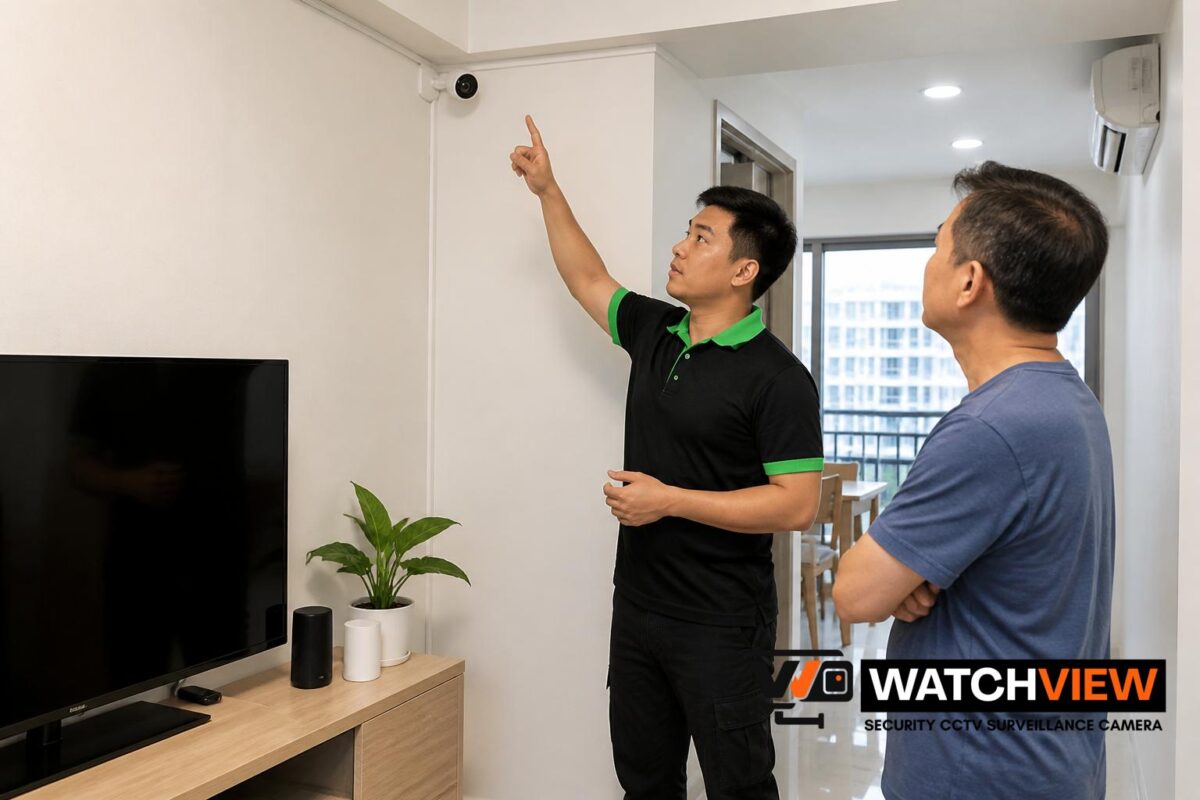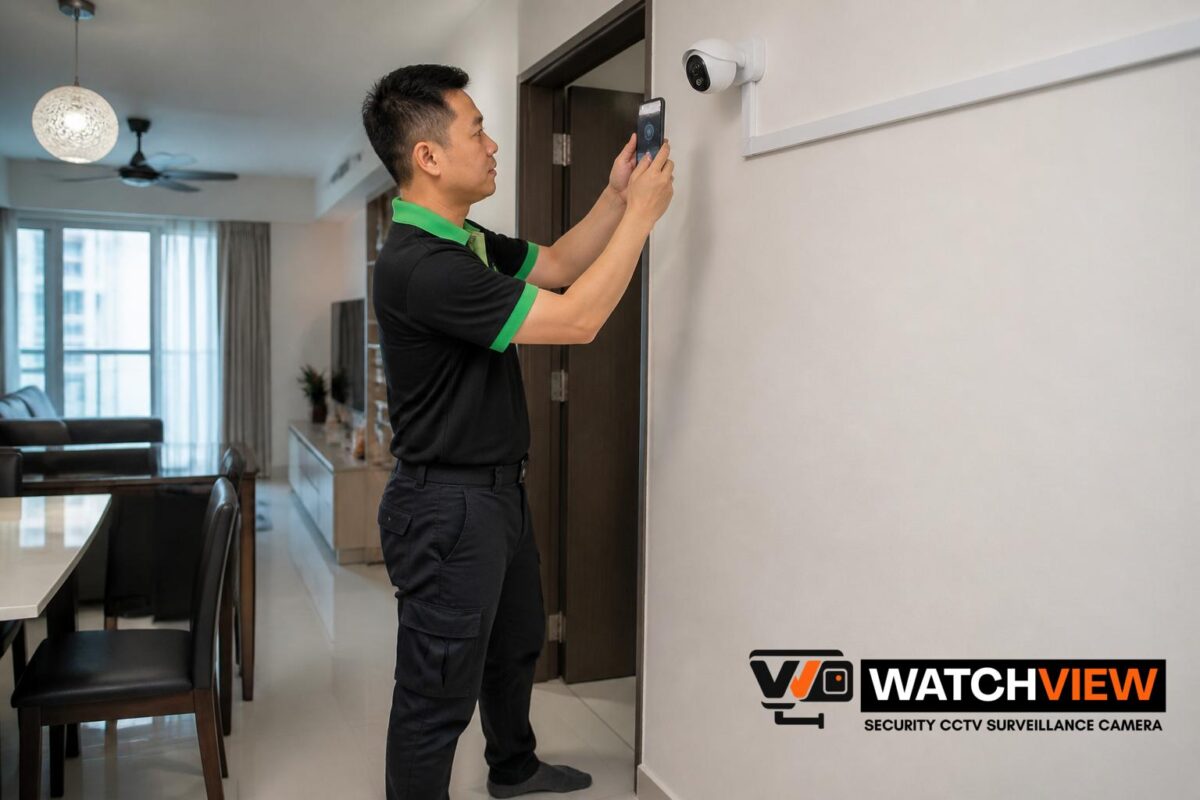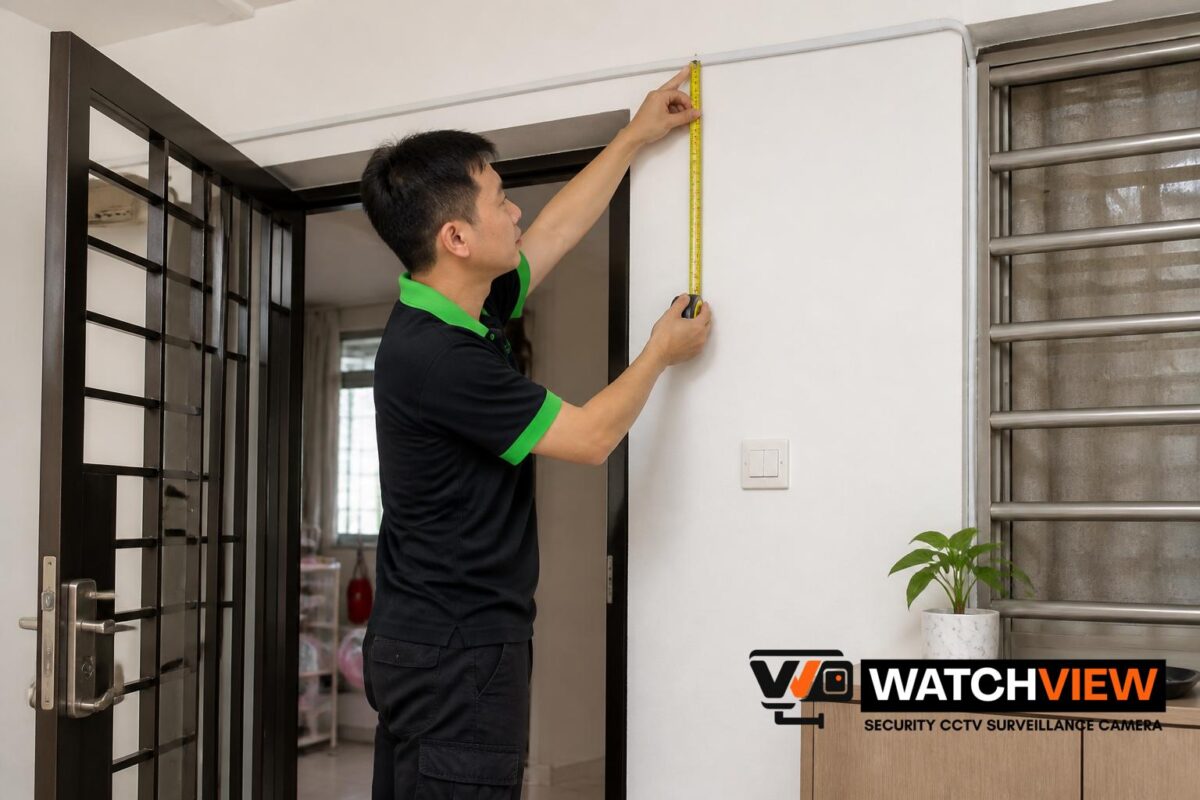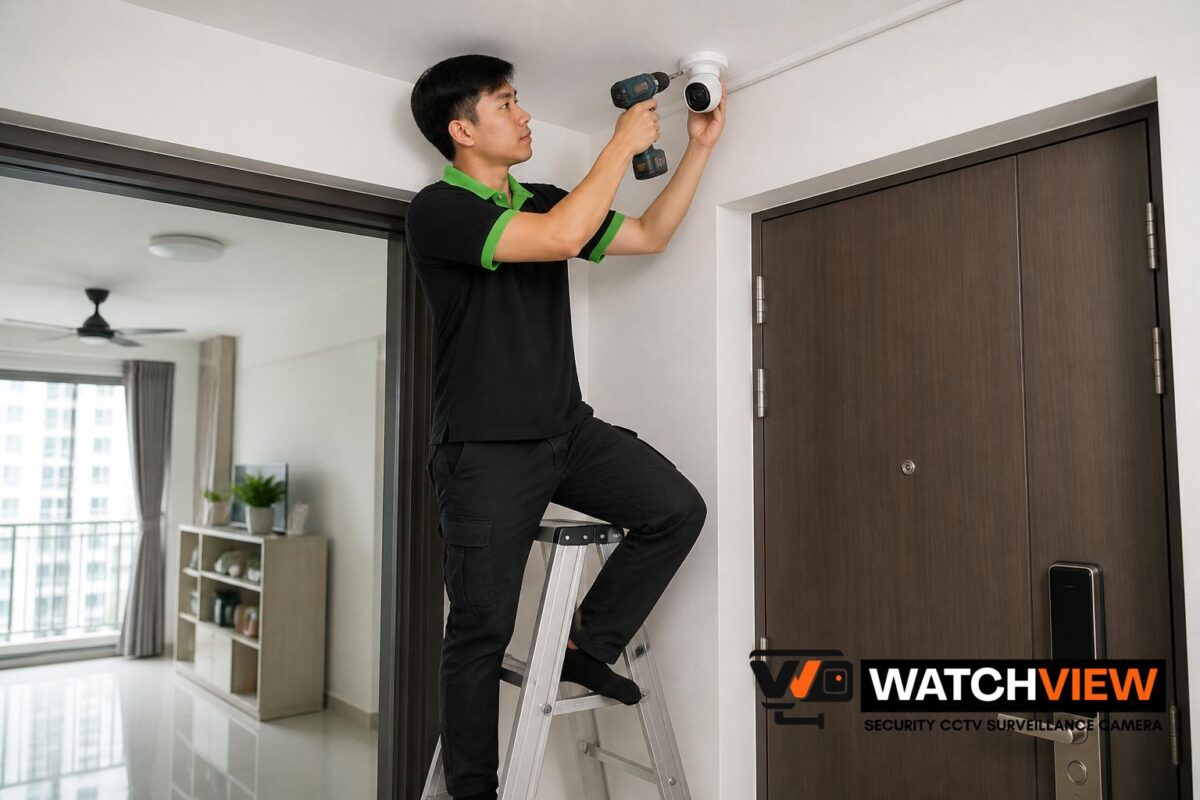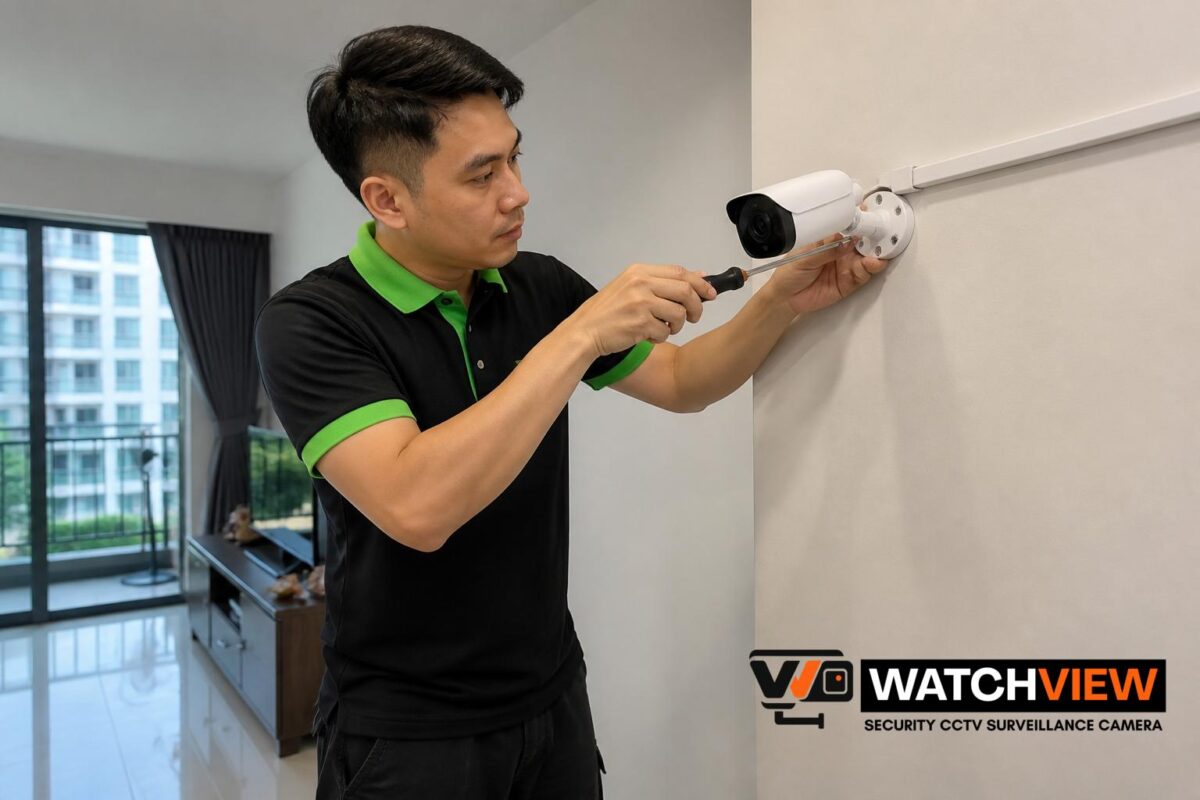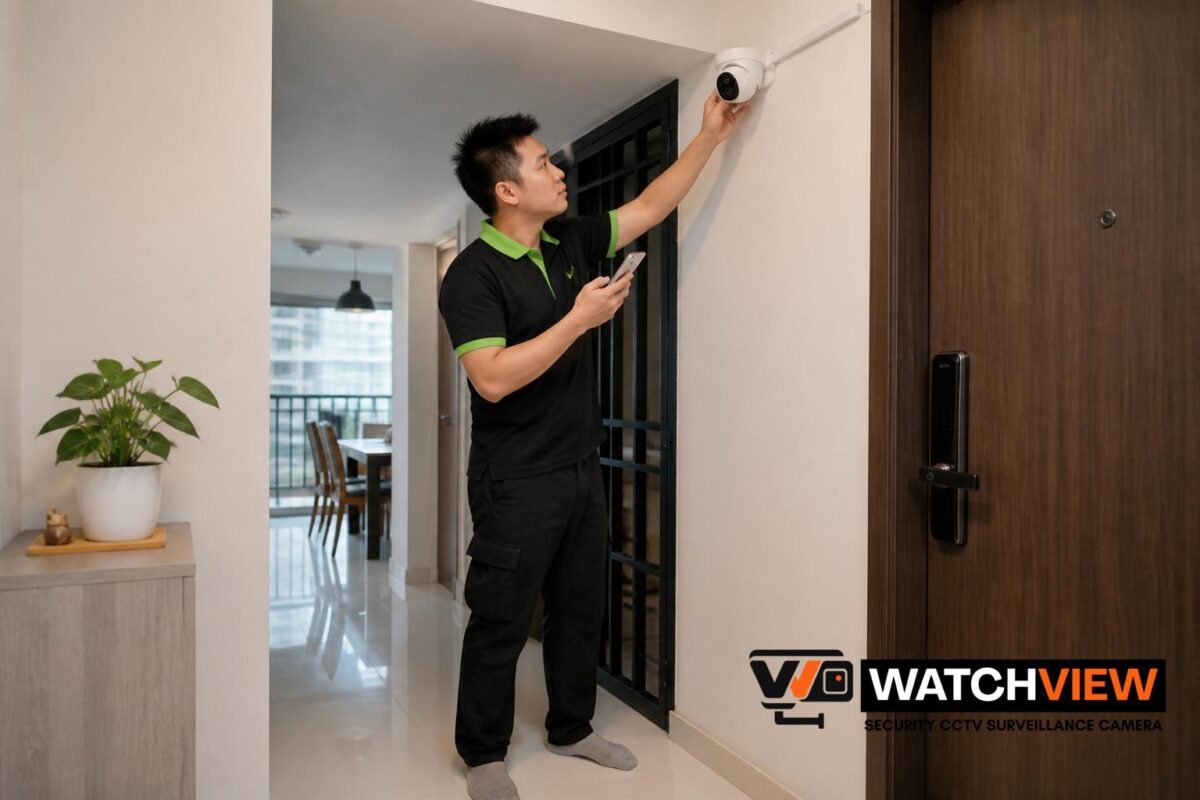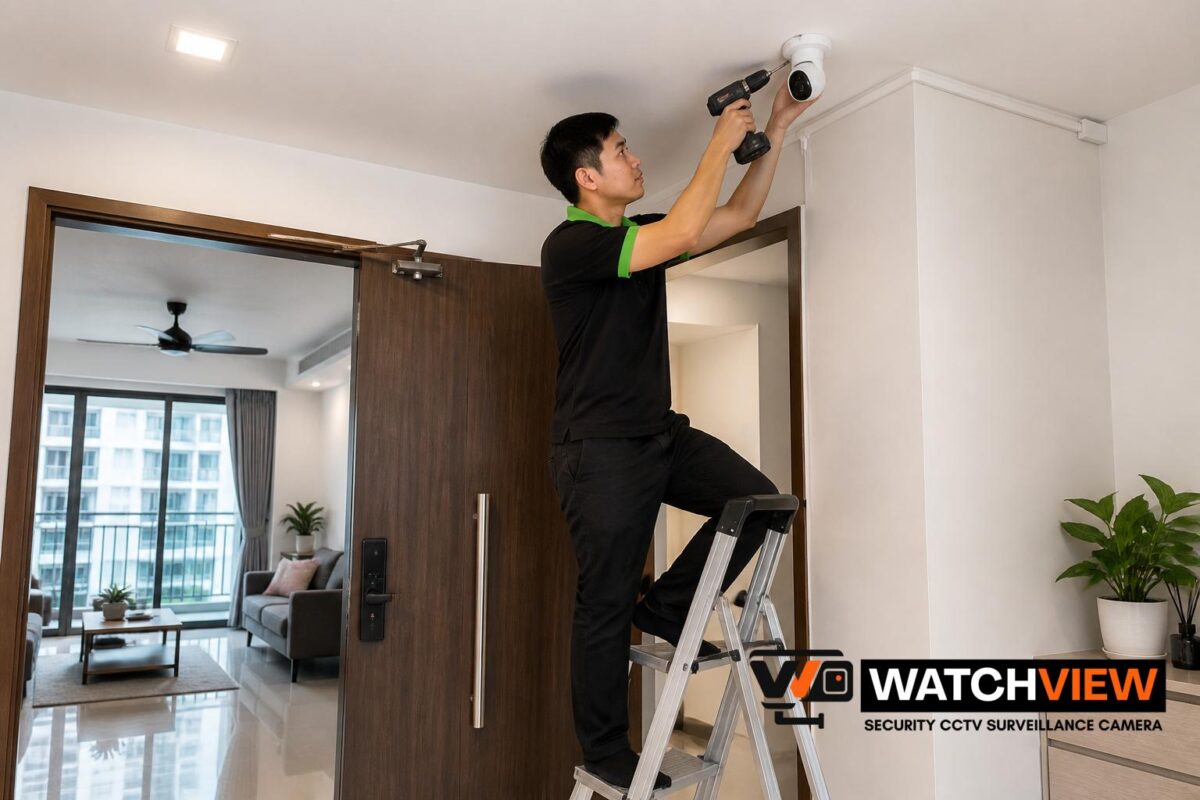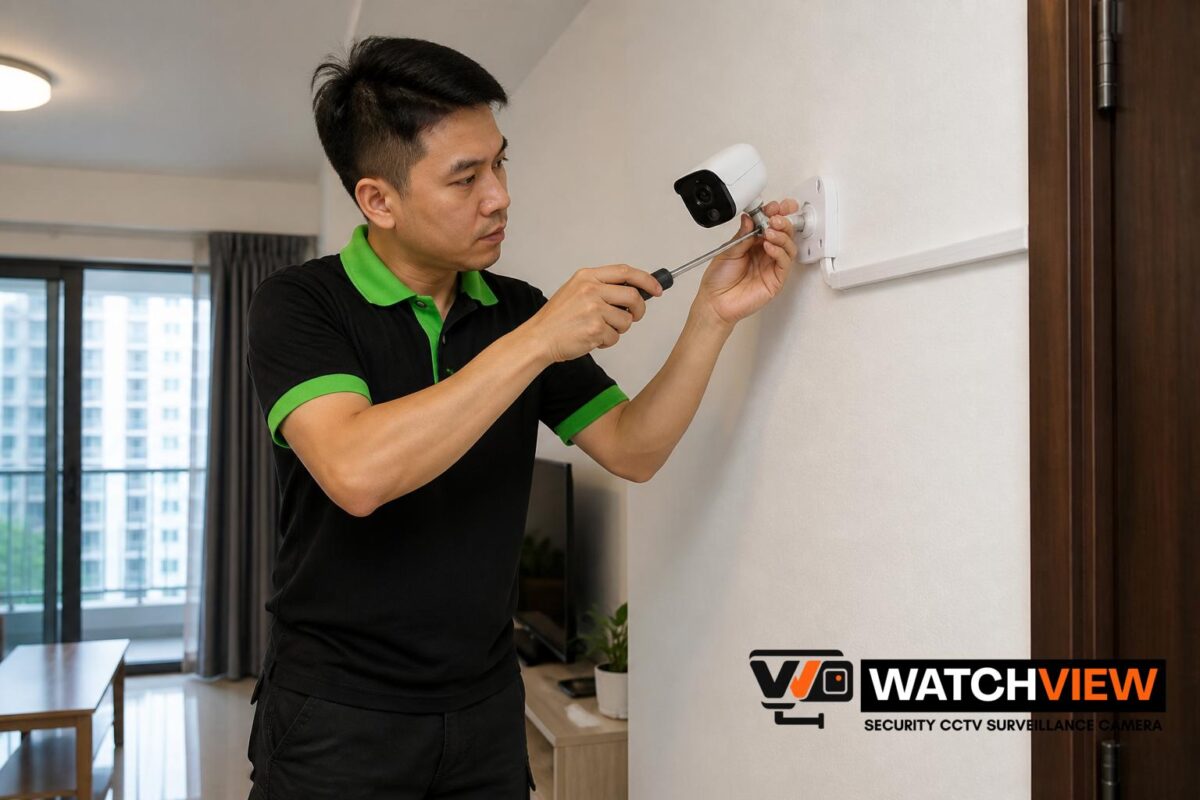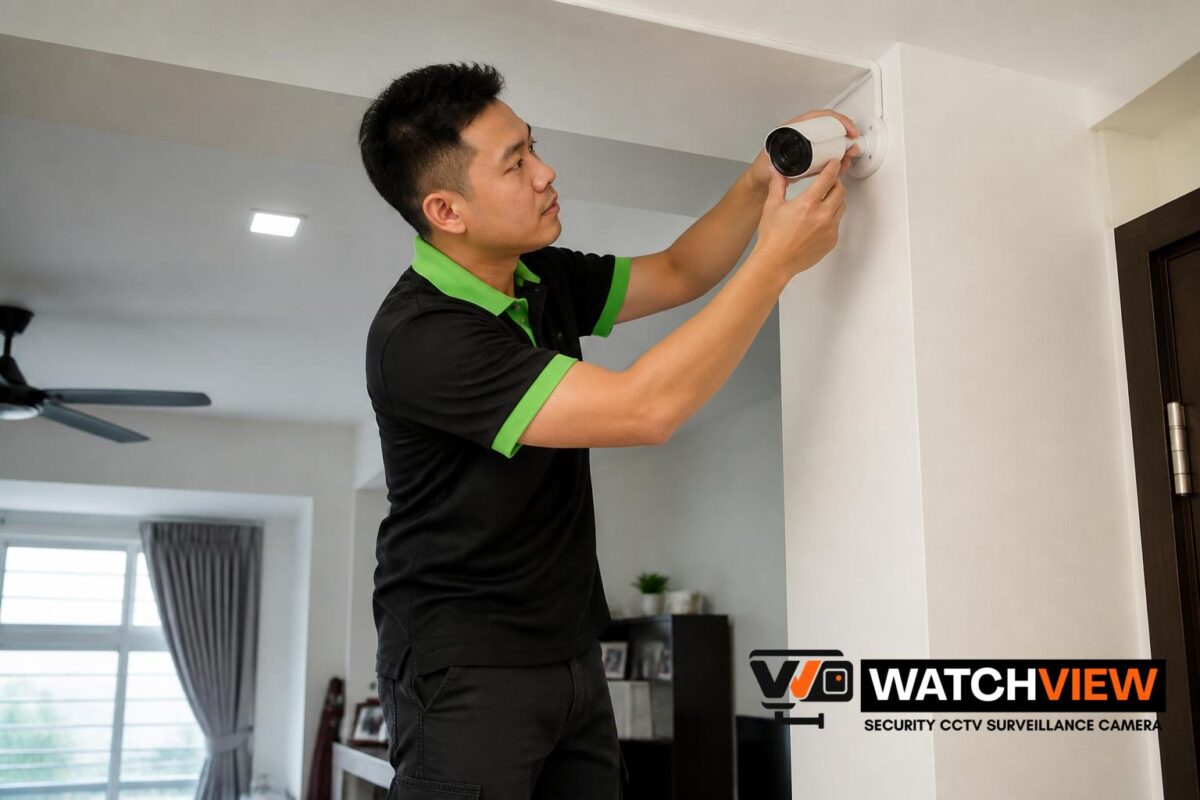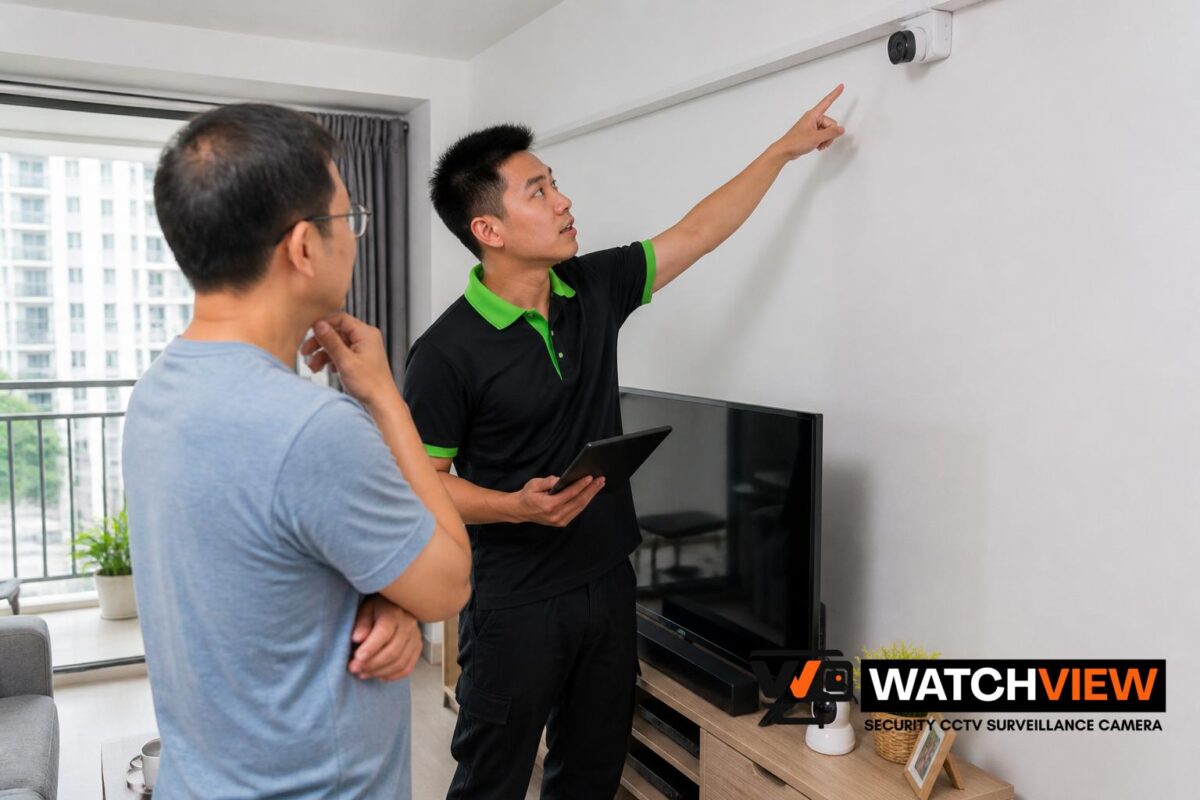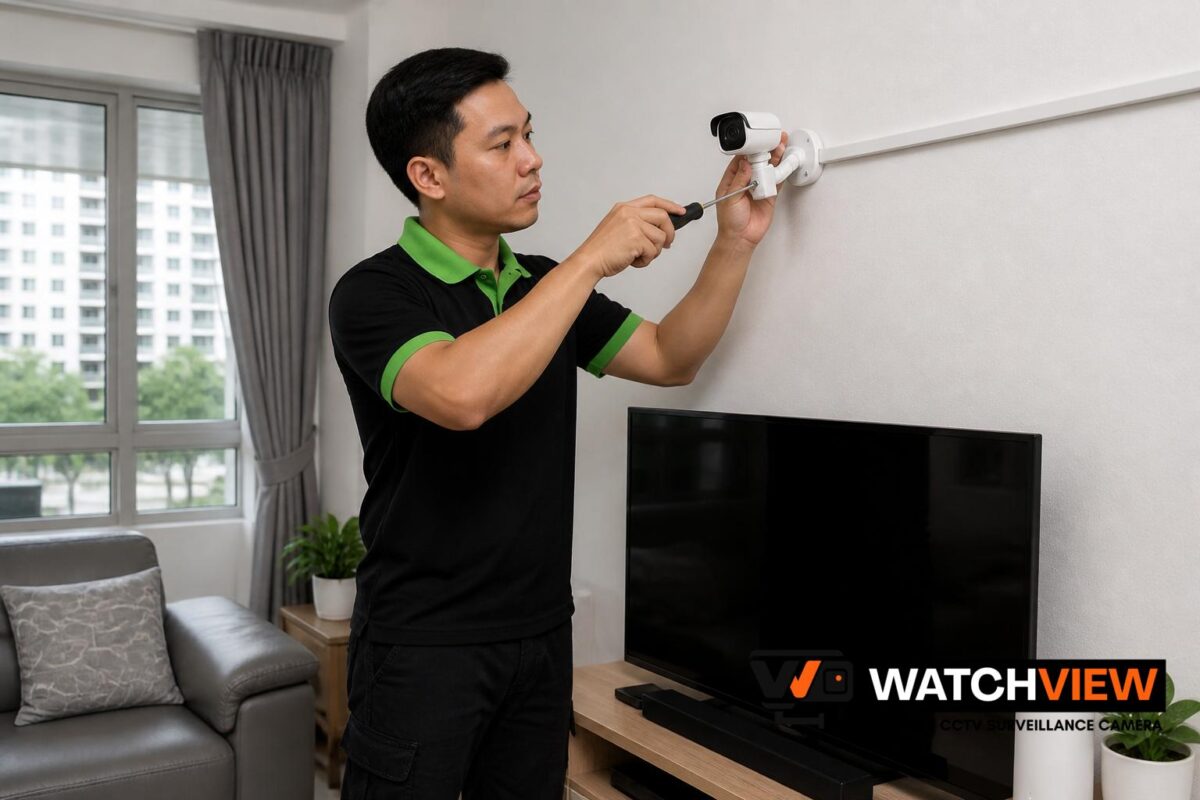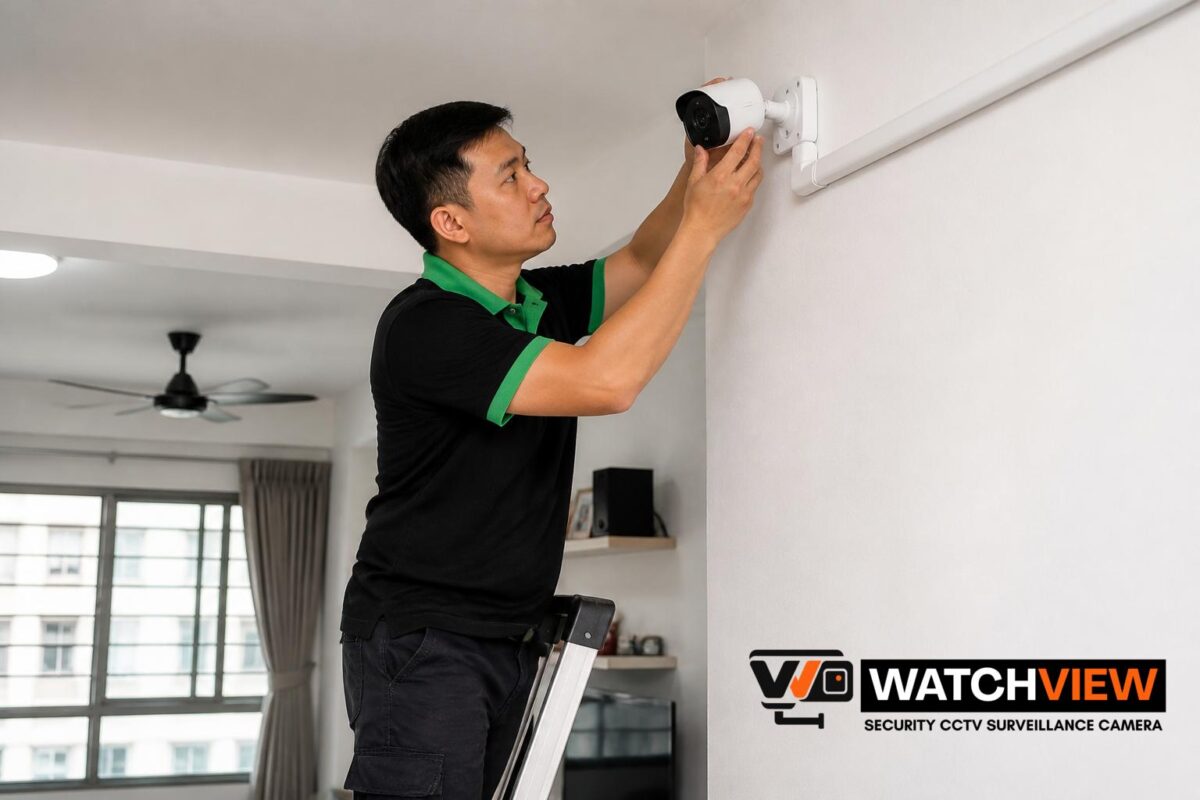

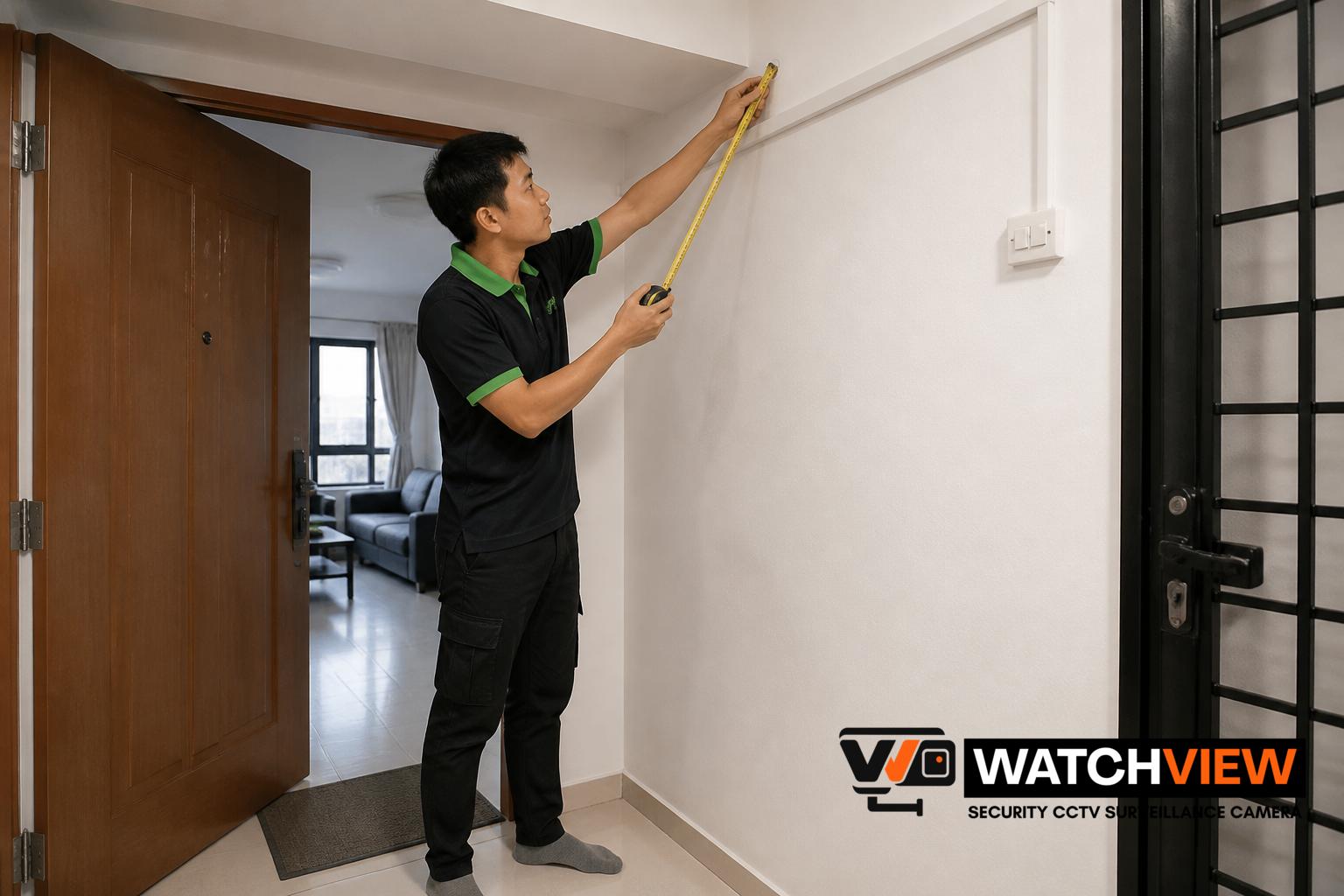
Yes, in many Singapore homes, CCTV security cameras can be installed without full renovation work. The main idea is to plan the camera locations, power source, and cable route in a way that suits the existing layout, then mount and set up the system with minimal disruption. For HDB flats, condominiums and landed homes, that often means using the current walls, ceilings, power points and service routes rather than opening up plaster, tiles or flooring.
What “without renovation” usually means for home CCTV
When homeowners ask about a no-renovation CCTV installation, they are usually referring to an installation that does not require hacking walls, redoing electrical points or carrying out major surface works. In practice, the job may still involve drilling for mounts, fixing brackets, running cables neatly along edges, and linking the cameras to a recorder, network point or app setup.
This approach is especially useful for occupied homes, newly purchased resale properties, or households that simply want security coverage without turning the place into a renovation site. The final result depends on the home layout, camera type and where the power source is located.
Which home layouts are easier for a non-renovation installation
Some homes are naturally more suitable for a straightforward CCTV setup. Flats and homes that already have accessible ceiling edges, visible trunking routes, or power points near the intended camera positions are usually easier to work with. Common examples include an HDB entrance facing a sheltered corridor, a condominium unit with a balcony entry point, or a landed home with a porch and front gate area.
In these cases, the installation can often be completed with careful placement and tidy cabling rather than any structural modification. The less the camera depends on hidden wiring or newly created points, the easier it is to keep the job simple.
Common installation methods that avoid major renovation
There are several ways to install home CCTV cameras while keeping disruption low. A wired camera system may use surface cabling routed along skirting, ceiling lines or existing service paths, with brackets mounted securely on concrete, wood or suitable wall surfaces. In some homes, a customer may already have a nearby power point or network point that makes the setup more straightforward.
For homeowners using IP cameras, the installer may focus on placement planning, secure mounting and final configuration, while keeping cables discreet and practical. If the camera is supplied by the homeowner, installation-only support can still cover the physical mounting, cabling and testing, provided the equipment is suitable for the home layout.
- Surface-mounted cabling to avoid wall hacking
- Use of existing power points where practical
- Camera mounting on walls or ceilings without altering the structure
- Neat routing along existing lines for a cleaner finish
When some preparation is still needed
“Without renovation” does not always mean “without any work at all”. Most CCTV installations still require some drilling for fixing points, and a reliable camera usually needs a stable power source. If the preferred camera location is far from any power point, the installer may need to plan a safe and tidy cabling path. That is still very different from full renovation, but it is part of a proper installation.
Homes with false ceilings, thick concrete walls, long outdoor runs or awkward entry points may need additional planning. A good installer will assess where the cameras should face, how the cable can be hidden or secured, and whether the final route remains practical for everyday use and future maintenance.
Best camera positions for Singapore homes
Camera placement matters as much as the installation method. In Singapore homes, the most common spots are the main entrance, service yard, balcony, living room entry, and any side or back access points for landed properties. These locations help cover movement into and around the home while keeping the number of cameras manageable.
It is also important to think about what each camera is meant to cover. A camera aimed too broadly may miss useful detail, while one placed too close to a wall or obstacle may not capture the intended view. Careful planning before drilling saves time and reduces the need for later adjustments.
Wired CCTV versus wireless options in a no-renovation setup
Wired CCTV systems are often preferred for residential reliability and consistent power supply, especially when the homeowner wants a more fixed setup. However, “wired” does not automatically mean “major renovation”. In many homes, the cabling can still be installed neatly using existing routes and surface fixing methods.
Wireless cameras can seem simpler at first, but they still need power, and a strong Wi-Fi signal is important for performance. For homes where the priority is a stable, professionally mounted system, a wired installation with clean cable routing is often the more practical choice. The right option depends on the property layout, the number of cameras and whether the homeowner wants supply-and-install or installation-only support.
What homeowners should prepare before installation
Before arranging the job, it helps to note the property type, the number of cameras needed and whether any equipment has already been purchased. Homeowners should also think about the areas they want covered, such as the front door, balcony, gate or service entrance, and whether the installation needs to work around existing furniture, cabinets or wall finishes.
It is also sensible to check whether there are accessible power points near the planned camera locations and whether the home has any restrictions for drilling or cable runs, especially in condominiums. Clear information at the start helps the installer recommend a realistic approach without unnecessary work.
If you would like to discuss your home CCTV requirements, WhatsApp WatchView Security CCTV Surveillance Camera Singapore to share your property type, camera locations, supply-and-install or installation-only needs, and any cabling or power-point details for a quotation: Message on WhatsApp.
Conclusion
In many Singapore homes, CCTV security cameras can be installed without renovation as long as the layout allows for sensible camera placement, secure mounting and practical cabling. The key is to work with the existing structure rather than forcing a redesign of the home. With the right planning, homeowners can achieve a neat, functional installation that fits HDB flats, condominiums and landed properties without major disruption.
Choose WatchView Security CCTV Surveillance Camera Singapore
WatchView Security CCTV Surveillance Camera Singapore helps homeowners set up CCTV, CCTV camera and CCTV surveillance camera solutions for residential monitoring across Singapore. Our services include home CCTV, home security camera, home IP camera and security camera setups for indoor areas as well as suitable sheltered locations outside HDB doors or gates.
Whether you are planning a new camera setup or already have compatible equipment, you can browse our products to explore available options and review our pricing for more information on the installation arrangements offered. Our projects also provide examples of completed residential camera works, while our blogs cover practical topics such as camera selection, positioning, viewing areas and home monitoring considerations.
With a focus on straightforward recommendations, suitable camera coverage and dependable installation, we support homeowners with camera setups suited to their property and monitoring needs. For further assistance, contact us via WhatsApp +65 8241 0032 to enquire about your residential camera requirements.
Frequently Asked Questions
Can CCTV cameras be installed in an HDB flat without hacking walls?
Yes, in many cases they can. A suitable installation may use surface cabling, existing power points and secure mounting positions to avoid wall hacking or other major renovation work. The exact method depends on the flat layout and the camera locations.
Do home CCTV cameras still need drilling if there is no renovation?
Usually, yes. Even a no-renovation installation typically needs drilling for brackets or mounts. The difference is that the work focuses on fixing and routing, rather than opening walls or carrying out extensive surface changes.
Is installation-only support possible if I already bought the cameras?
In many situations, yes. Installation-only support can be suitable if the cameras are already purchased and the equipment matches the home’s requirements. The installer will still need to assess the mounting points, cabling needs and power source before proceeding.